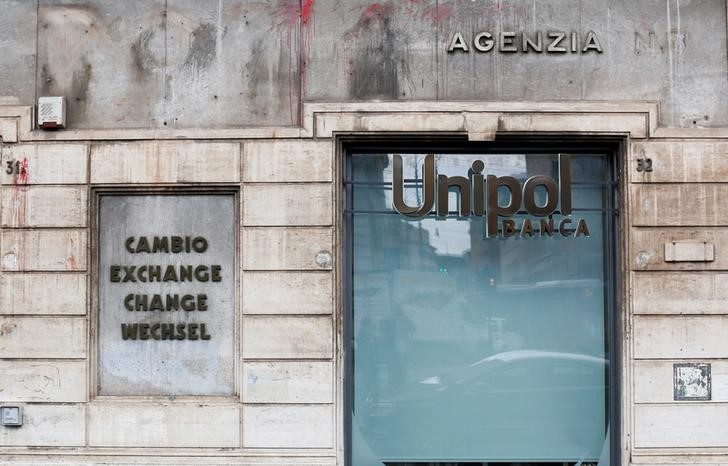
Unipol Assicurazioni reported Q1 2026 consolidated net profit of €329 million, up 15.4% year over year and above the €286 million consensus, while non-life pre-tax result of €365 million and the combined ratio of 90% both beat expectations. Direct insurance income rose 7.1% to €4.81 billion, aided by a €2.34 billion life segment beat, though non-life income was slightly below consensus and the life pre-tax result missed estimates. Solvency strengthened to 248% from 230% at year-end, supporting the overall positive readthrough for the stock.
The key read-through is not just a clean operating beat, but a balance-sheet de-risking event. A rapidly rising solvency buffer gives management optionality to accelerate capital return, defend pricing, or selectively write more business when smaller carriers are forced to retrench; that typically shows up with a lag of 1-2 quarters in sector share capture. In European insurance, a move from “good” to “very safe” capital ratios often compresses perceived tail risk and supports a rerating, even if near-term earnings are not dramatically revised.
The more interesting second-order effect is competitive pressure in the non-life market. Better loss dynamics and stronger capital position should let this franchise lean into motor and other underwriting lines while peers with weaker reserve comfort may be forced to chase less profitable growth or cut back on renewals. That tends to widen the gap between best-capitalized multi-line insurers and smaller domestic carriers over the next 6-12 months, especially if bond volatility keeps duration-sensitive balance sheets under scrutiny.
The main risk is that the market may initially focus on investment-accounting noise and ignore the durability of underwriting improvement. If rates continue to gap lower or credit spreads widen, the uplift from higher solvency can be offset by mark-to-market pressure on the investment book and softer reinvestment yields, which would matter more over the next few quarters than the quarter itself. A reversal in claims inflation, particularly in motor and health, would be the cleanest way to take out the thesis because it would hit the combined ratio before capital generation has time to compound.
Consensus is probably underappreciating how much capital strength can be converted into strategic flexibility rather than just excess capital. In this setup, the best trade is often not the headline insurer itself alone, but a relative-value expression versus a lower-quality peer basket where solvency sensitivity and reserve risk are more exposed if markets stay volatile.
AI-powered research, real-time alerts, and portfolio analytics for institutional investors.
Request DemoOverall Sentiment
moderately positive
Sentiment Score
0.55
Ticker Sentiment
