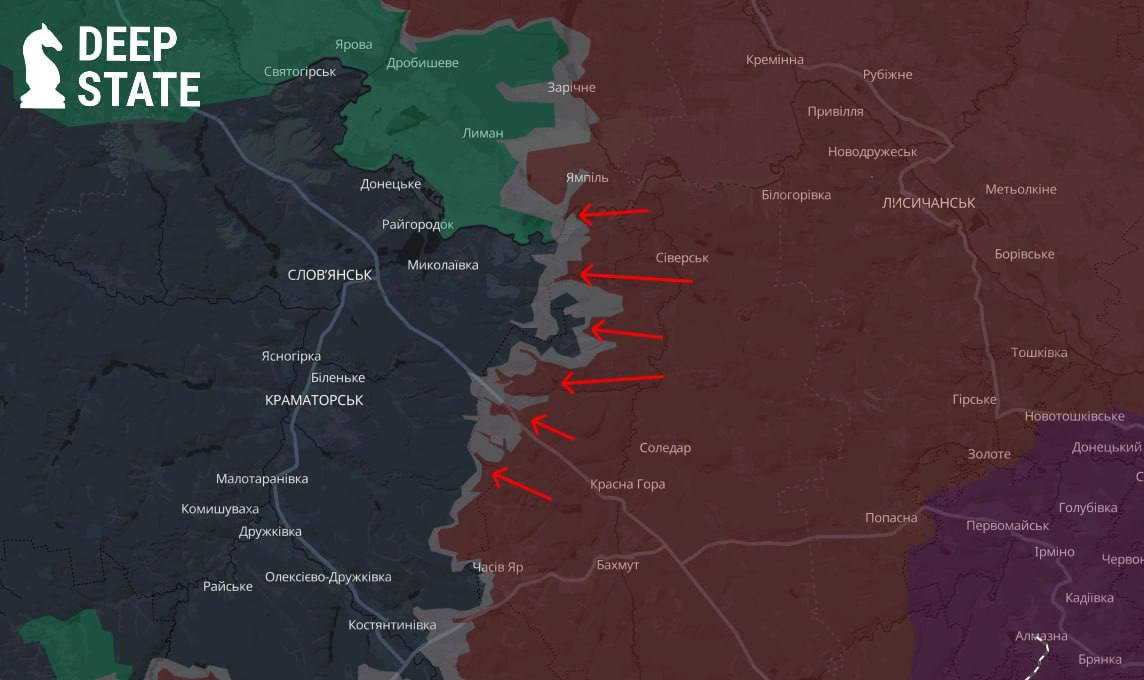
The article describes a deteriorating war outlook, with Russian commentary suggesting only mobilization or peace by autumn and Ukrainian command tensions worsening amid manpower shortages. Russian forces are said to be advancing near Sloviansk-Kramatorsk and between Pokrovsk and Rodynske, while Russia also unveiled a prototype two-seat Su-57D fighter. The piece is primarily geopolitical and defense-related, implying continued high military pressure and elevated regional risk.
The key investable signal is not battlefield geometry; it is the widening mismatch between Russian force generation and force attrition. If recruitment is running below battlefield losses even intermittently, the front can still advance tactically while the strategic reserve gets hollowed out, which usually shows up first as thinner rotation quality, lower training standards, and higher maintenance failure rates before it shows up in headline territorial change. That dynamic is structurally bullish for the non-Russian defense industrial complex because it extends the war while worsening Russia’s ability to scale cleanly.
A second-order effect is that command instability in Ukraine can be net positive for Western defense demand even if it is tactically negative near term. More micromanagement and officer churn typically increases consumption of precision munitions, ISR assets, EW systems, drones, and air-defense interceptors because junior units compensate for weak coordination by spending more ammunition per effect. In other words, even a “better” Ukrainian battlefield position can still be a worse procurement backdrop for the West if the force becomes more decentralized and asset-intensive.
The Su-57 two-seat variant matters less as an aircraft and more as a signal of Russian doctrinal adaptation toward unmanned teaming. That suggests the margin of surprise in drone/WEW competition remains high, but the practical constraint is time: prototype activity does not translate into mass deployment for 12-24 months, whereas attritional shortages are immediate. The contrarian read is that markets may overestimate near-term escalation risk from Russian aerospace modernization and underprice the longer-duration industrial drag of a war that is consuming equipment faster than either side can replenish it.
AI-powered research, real-time alerts, and portfolio analytics for institutional investors.
Request DemoOverall Sentiment
moderately negative
Sentiment Score
-0.35
