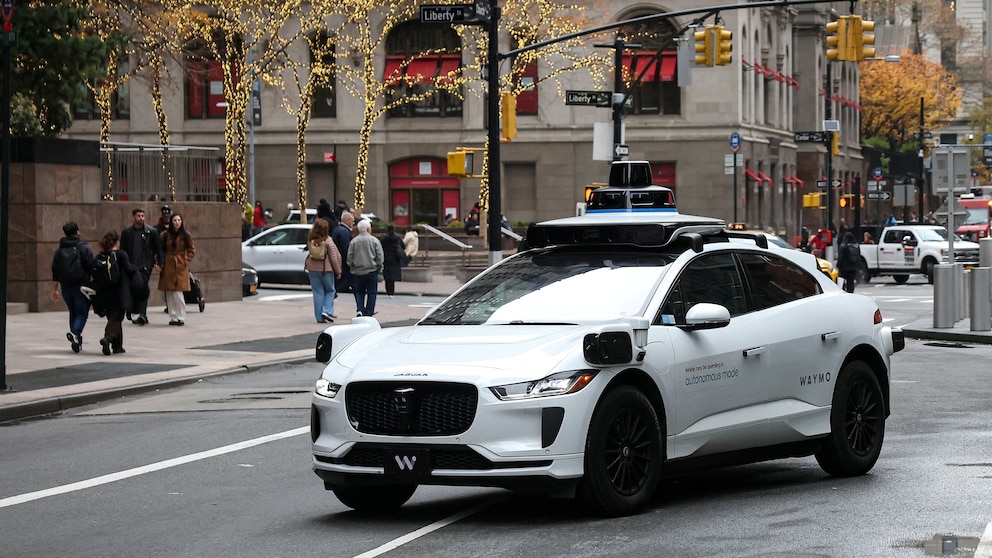
Video from Austin Independent School District buses showing Waymo vehicles illegally passing stopped school buses — at least 19 incidents since August — has prompted an NHTSA investigation and a request from the district to keep Waymo cars off roads during school pick‑ups and drop‑offs; Waymo says the behavior stemmed from a software issue, has pushed rapid updates and maintains its driverless fleet has 91% fewer crashes causing serious injury than human drivers. The incidents, together with other passenger complaints such as a vehicle circling and briefly trapping a rider in Phoenix, have heightened regulatory scrutiny and public safety concerns. Experts caution that fully automated vehicles may not inherently reduce road injuries outside limited, controlled conditions, underscoring potential limits on deployment and the need for closer oversight.
Austin Independent School District bus-camera footage documents at least 19 instances since August of Waymo vehicles illegally passing stopped school buses with red lights flashing and stop-arms extended, prompting an NHTSA investigation and a request from AISD that Waymo halt operations during school pick-up and drop-off periods. Waymo attributes the behavior to a software issue, says it implemented rapid updates, and notes its fleet has 91% fewer crashes resulting in serious injury versus human drivers per company data.
Additional passenger complaints, including a Phoenix incident where a rider said a vehicle drove in circles and briefly trapped him, reinforce operational reliability concerns even as Waymo characterizes these as addressable software faults fixed in scheduled updates. The Association for Computing Machinery cautions that fully automated vehicles may not inherently reduce injuries outside limited, controlled conditions, signaling material limits to deployment and increased regulatory scrutiny.
For operators and investors the immediate implications are heightened reputational and regulatory risk, potential local operating restrictions like the AISD request, and ongoing remediation costs as agencies probe incidents. Key near-term catalysts to monitor are NHTSA findings, whether incident frequency declines after patches, and independent or regulatory verification of fixes.
AI-powered research, real-time alerts, and portfolio analytics for institutional investors.
Request DemoOverall Sentiment
moderately negative
Sentiment Score
-0.45
