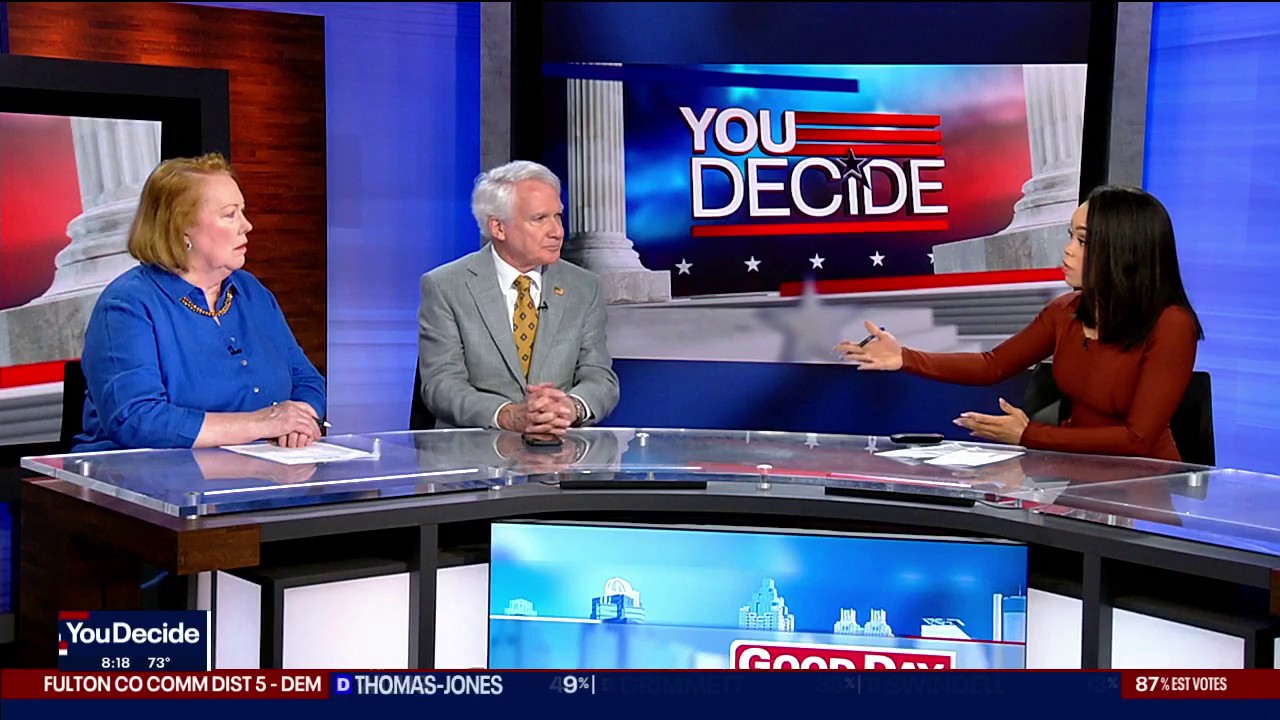
Georgia will hold runoff elections on June 16 after multiple primary races failed to produce candidates with more than 50% of the vote. Key runoffs include the GOP gubernatorial race between Burt Jones and Rick Jackson, the Republican U.S. Senate primary between Mike Collins and Derek Dooley, and several lieutenant governor, Secretary of State, congressional, and Public Service Commission contests. The article is primarily procedural and informational, with no direct market-moving policy or economic implications.
Georgia’s runoff structure is less about the individual races than about extending uncertainty into a second, lower-turnout contest where organizational strength matters more than broad appeal. That favors candidates with deeper field operations, better ballot-chase machinery, and funding that can survive a two-stage campaign; it also means the eventual nominees are likely to emerge more ideologically hardened than the median primary voter, which can matter for November positioning in purple suburban corridors.
The second-order effect is on donors and outside groups: every runoff forces another month of spend into media, polling, and turnout operations, effectively taxing campaigns that already had to defend crowded primaries. That should benefit vendors tied to political consulting, ad placement, and voter-contact infrastructure, while depressing the odds of any candidate relying on late-deciding crossover voters who tend to stay home in runoff environments.
The biggest underappreciated risk is that runoff timing compresses the general-election reset window. If either party emerges from the June 16 contest with a nominee who has burned cash or taken on unpopular factional commitments, the campaign enters the summer with less flexibility to rebrand, and that can be decisive in Senate and statewide races where persuasion margins are thin. Conversely, if the final vote is close enough to trigger recount chatter in the PSC or state-level contests, the legal/administrative overhang can extend headlines beyond the runoff date and keep issue attention on election process rather than policy.
AI-powered research, real-time alerts, and portfolio analytics for institutional investors.
Request DemoOverall Sentiment
neutral
Sentiment Score
0.00
