The continued disruption of the Strait of Hormuz is being framed as a potential global food crisis, with officials warning that tens of millions could face hunger if the passage is not reopened within weeks. The Strait carries around one-fifth of global oil output, and fuel costs are already surging, with U.S. gasoline at $4.53 per gallon, up nearly $0.50 in a month and more than $1.55 since the war began. Global food insecurity could worsen materially, with the World Food Programme estimating almost 45 million additional people could fall into acute food insecurity or worse if oil stays above $100 a barrel and the conflict persists.
This is less a pure energy shock than a working-capital shock to the entire agri-input stack. The first-order move is higher crude and LNG, but the more persistent second-order effect is margin compression for fertilizer producers, food processors, and import-dependent EMs because ammonia, urea, diesel, and shipping all move together. The market is likely underestimating how quickly this becomes a liquidity problem for lower-income sovereigns and local food distributors: when input costs rise faster than end-demand pricing, inventories get liquidated, capex gets deferred, and credit stress shows up in the weakest downstream names first.
The path dependence matters. In the next 2-6 weeks, the key catalyst is whether vessel flows normalize enough to break the scarcity narrative; if not, the market will start pricing a summer-long supply interruption rather than a temporary premium. That shifts the trade from a headline-driven oil spike to a broader inflation impulse, which is typically bearish for discretionary, airlines, trucking, and restaurant margins even if commodities themselves pause.
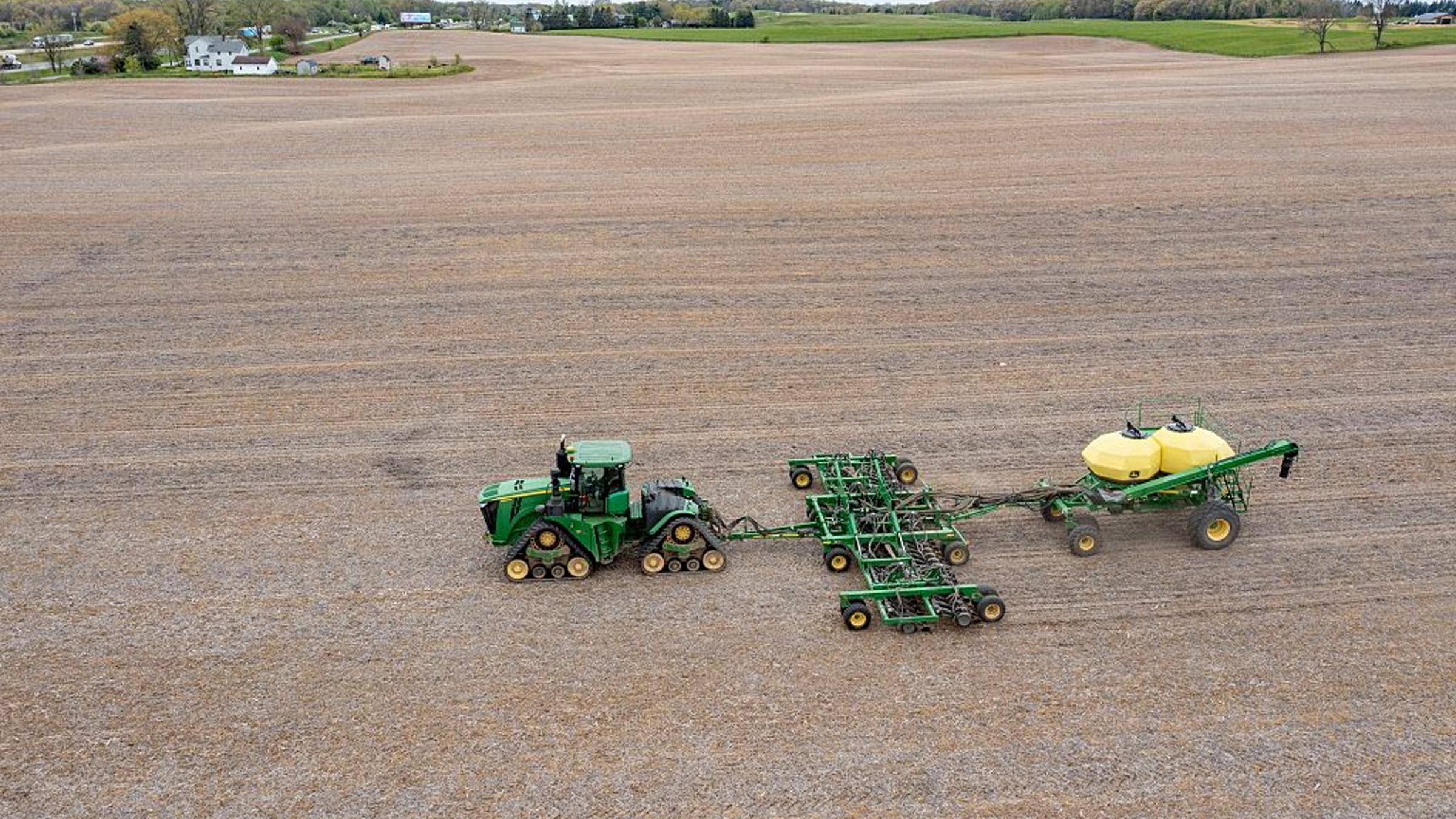
The consensus is probably too focused on crude and not enough on nitrogen/fertilizer sensitivity. Crop economics are already late-cycle: planting decisions for the next season are highly inelastic once the calendar turns, so higher fertilizer and fuel costs can still feed through to yields and food CPI with a lag of several months. That means the real upside convexity is in names tied to scarce nutrients and logistics bottlenecks, while the main downside tail is a diplomatic or military reopening that rapidly deflates freight and energy premia, leaving crowded longs exposed.
AI-powered research, real-time alerts, and portfolio analytics for institutional investors.
Request DemoOverall Sentiment
strongly negative
Sentiment Score
-0.82
