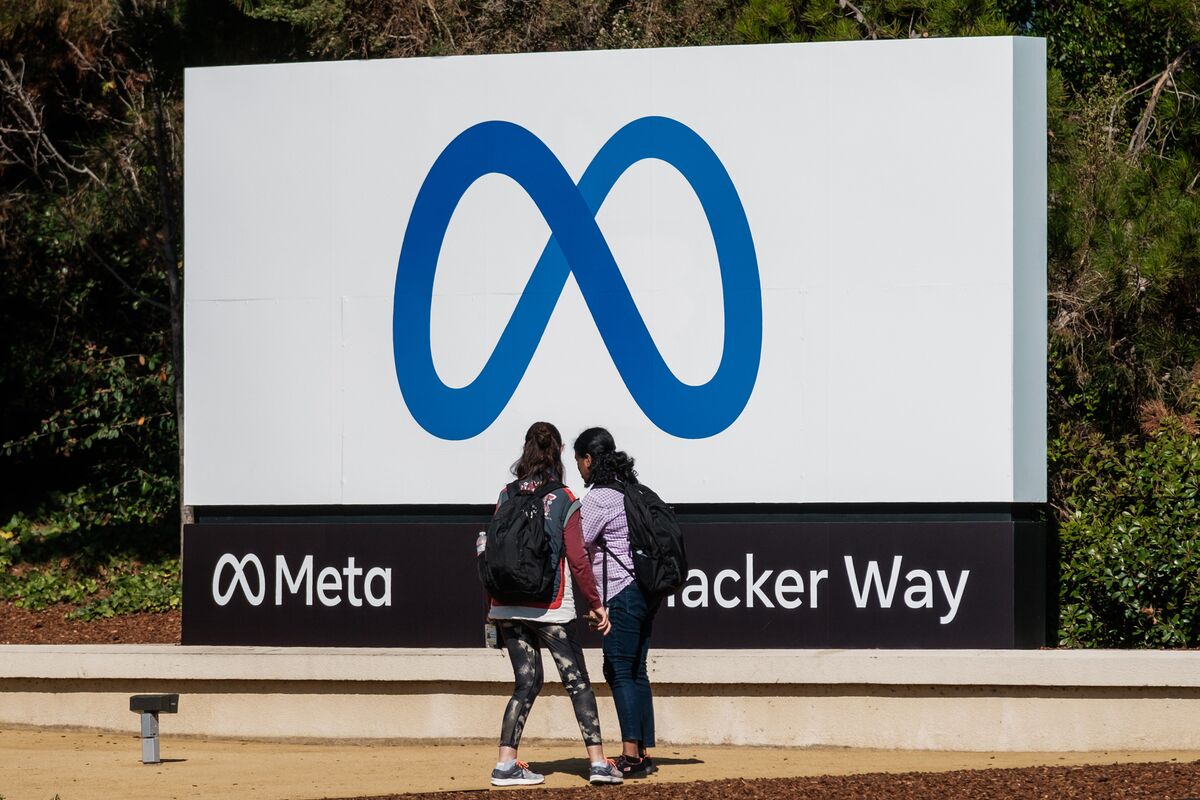
Helen Toner, former OpenAI board member, expressed skepticism regarding Meta Platforms Inc.'s strategy of recruiting top AI talent with salaries reportedly in the tens of millions, suggesting this lavish spending may not guarantee success given Meta's prior reputation for dysfunctional AI teams. Her comments come as Meta launches its new Superintelligence group amidst an intensified industry-wide poaching of AI expertise following ChatGPT's release.
A former OpenAI board member, Helen Toner, has publicly questioned the efficacy of Meta Platforms' aggressive AI talent acquisition strategy, highlighting a significant qualitative risk for the company. Despite Meta committing substantial capital, with salaries reportedly in the tens of millions, to poach top AI researchers for its new Superintelligence group, Toner suggests this may not translate to success due to Meta's pre-existing reputation for having "a dysfunctional team." This critique, carrying a negative sentiment score of -0.6 for the ticker META, frames the company's high cash burn on human capital not as a guaranteed competitive advantage, but as a potential misallocation if underlying organizational and cultural issues are not resolved. The situation underscores the intensifying talent war in Silicon Valley's AI sector post-ChatGPT and raises critical questions about Meta's ability to effectively integrate and manage its expensive new hires to generate a meaningful return on investment in a fiercely competitive environment.
AI-powered research, real-time alerts, and portfolio analytics for institutional investors.
Request DemoOverall Sentiment
Negative
Sentiment Score
-0.35
Ticker Sentiment
