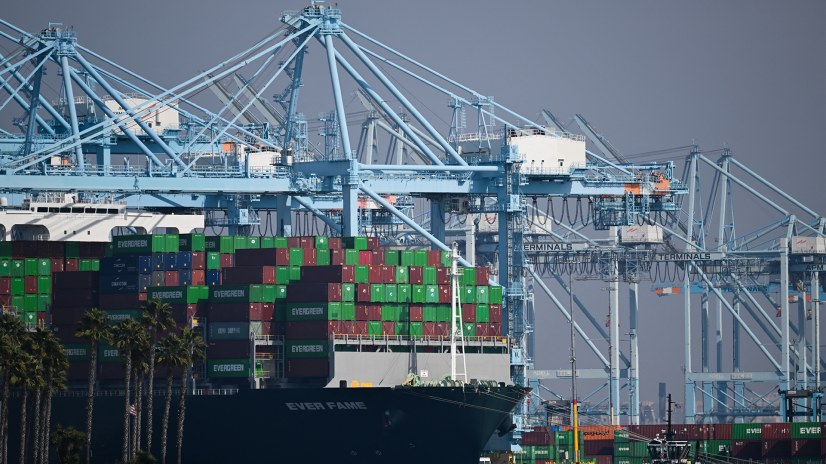
Port of Los Angeles Executive Director Gene Seroka forecasts a 'chaotic year' for the shipping industry, signaling continued volatility and potential disruptions in global supply chains. This outlook suggests ongoing challenges for international trade and logistics, impacting companies reliant on efficient freight movement and potentially influencing broader economic stability.
The forecast of a 'chaotic year' for the shipping industry by Gene Seroka, the Executive Director of the Port of Los Angeles, serves as a significant forward-looking indicator for investors. This pronouncement from a leader at a critical node in the global supply chain, combined with a moderately negative sentiment score (-0.5) and a pessimistic tone, points to a high probability of sustained volatility, logistical bottlenecks, and unpredictable freight costs. The market impact score of 0.6 suggests these disruptions could have a meaningful effect on broader economic activity. The situation directly implicates the Transportation & Logistics and Trade Policy & Supply Chain sectors, suggesting that companies reliant on efficient maritime freight will face considerable operational and financial headwinds. The lack of specific company mentions broadens the warning to an industry-wide level, implying systemic rather than isolated issues.
AI-powered research, real-time alerts, and portfolio analytics for institutional investors.
Request DemoOverall Sentiment
moderately negative
Sentiment Score
-0.50
