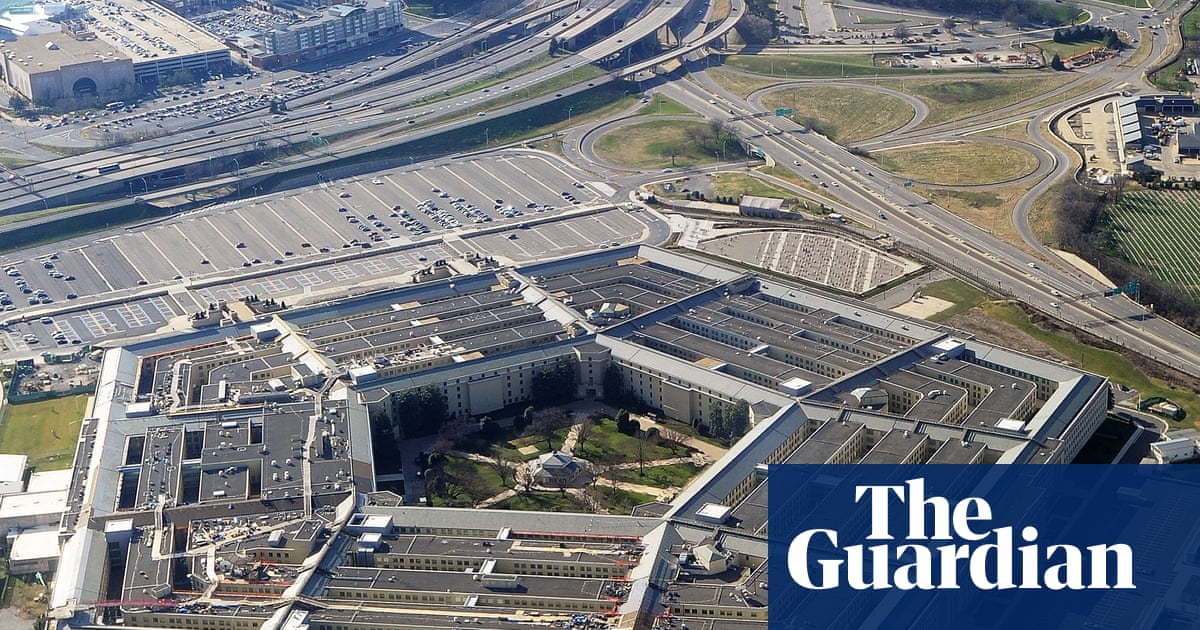
The Pentagon’s civilian harm mitigation and response program has been effectively gutted, with the inspector general saying the department may no longer have the people, tools, or infrastructure to comply with federal civilian-casualty laws. Funding for its data platform ended, committee meetings stopped, and dedicated personnel were reassigned or lost, leaving only seven staff and impairing oversight of US strike operations. The report raises legal and governance risk for the Defense Department and highlights deteriorating civilian-protection capacity amid ongoing strikes in Iran.
This is less a headline about ethics than about state capacity risk in defense execution. When a compliance and lessons-learned apparatus gets hollowed out, the first-order effect is weaker civilian-harm mitigation, but the second-order effect is broader: degraded targeting discipline, slower feedback loops, and higher probability of operational errors that create political blowback and legal exposure. That matters because future strikes will carry a higher probability of congressional scrutiny, inspector-general action, and litigation discovery that can freeze or delay operations even if the underlying campaign continues.
For markets, the relevant issue is not direct revenue impact but budget allocation and procurement priorities. A militarized posture with weaker internal controls tends to shift spending toward munitions consumption, ISR, and kinetic platforms while reducing support for training, analytics, and governance software; that is supportive for primes with high exposure to strike systems and less attractive for defense IT, workflow, and compliance vendors. It also raises the odds that appropriators attach restrictive language to future funding bills, which could create a stop-start dynamic in certain modernization programs over the next 1-3 quarters.
The contrarian view is that the market may overstate immediate investment impact because a lot of this is procedural rather than contractual, and the Pentagon can reconstitute staffing faster than it can field hardware. But that underestimates the political cost of a civilian-casualty scandal during active operations: one highly visible incident can force a reversal, hearings, or injunction risk within days to weeks. The key catalyst path is not a normal budget cycle but a fresh strike event that turns a governance story into a headline operational constraint.
AI-powered research, real-time alerts, and portfolio analytics for institutional investors.
Request DemoOverall Sentiment
strongly negative
Sentiment Score
-0.72
