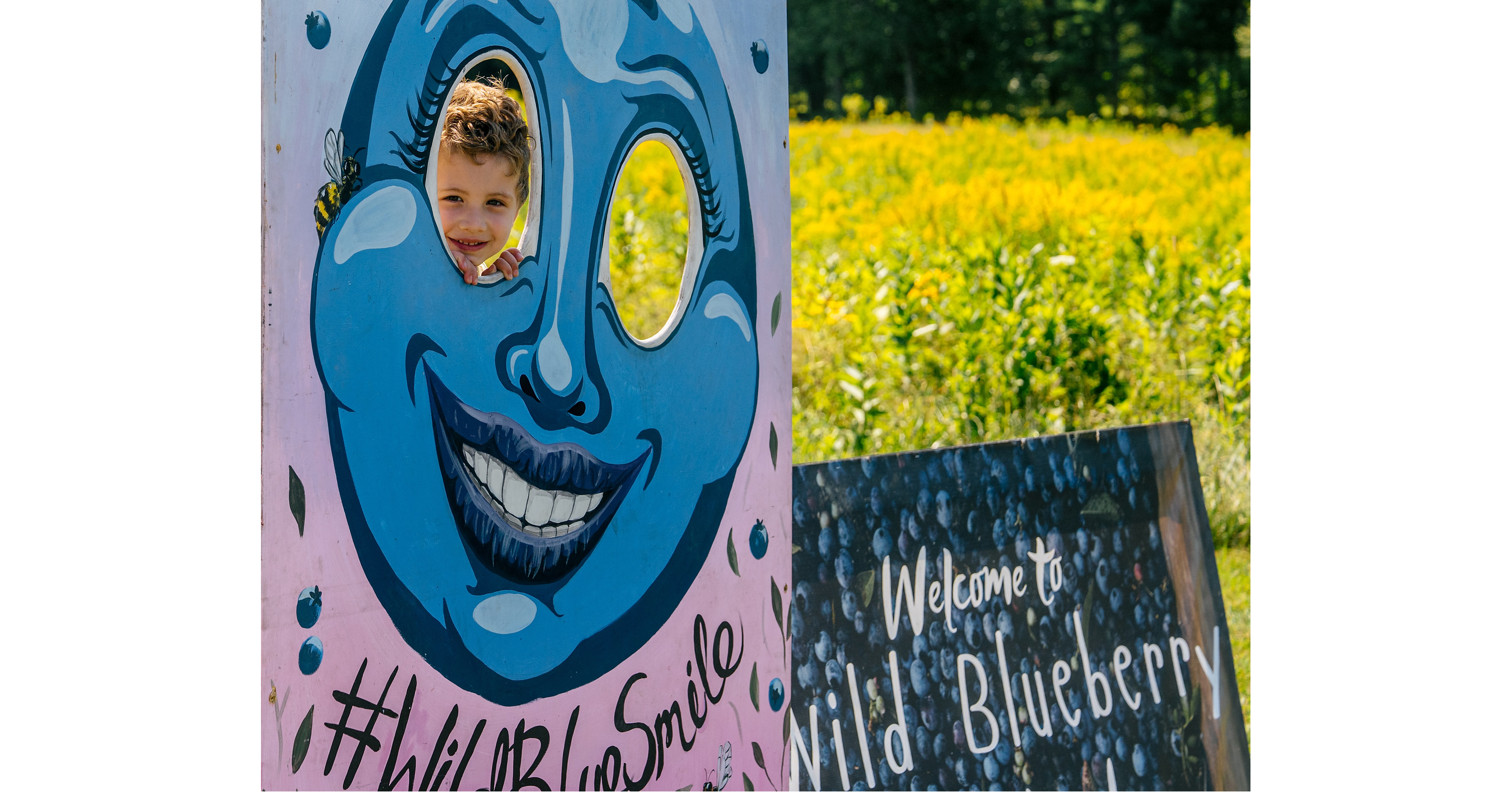
Wild Blueberry Weekend returns August 1–2, 2026, opening Maine’s working wild blueberry farms to the public during peak harvest season. Maine produces nearly 100% of the U.S. commercial wild blueberry crop across 500+ farms and 40,000 acres, and the industry contributes about $361 million annually to the state economy. The article is primarily event-focused with no direct financial market implications.
This is effectively a local demand-generation and brand-promotion event, not an investable fundamental catalyst. The economically relevant channel is short-lived foot traffic into Maine restaurants, lodging, and direct-to-consumer farm sales over a 1-2 day window, which is too small to move any public-company revenue line unless a listed operator had outsized regional exposure — none appears here.
The real market variable is not the event itself but the underlying crop: weather, yield, labor availability, and any farmgate pricing pressure into the late-summer harvest. If the season is strong, the limited-run marketing could help pricing power for premium processed/packed berry products; if weather turns adverse, the celebratory framing becomes noise while supply tightness matters more over 1-3 months.
Contrarian view: this kind of PR often gets misread as a demand inflection when it is mostly community branding. The consensus temptation would be to infer a broader consumer-spending readthrough for regional leisure or specialty food names, but the scale is too small. For public markets, the only plausible tradeable readthrough is indirect and better monitored through agricultural pricing data than through the event itself.
AI-powered research, real-time alerts, and portfolio analytics for institutional investors.
Request DemoOverall Sentiment
neutral
Sentiment Score
0.00
Ticker Sentiment
