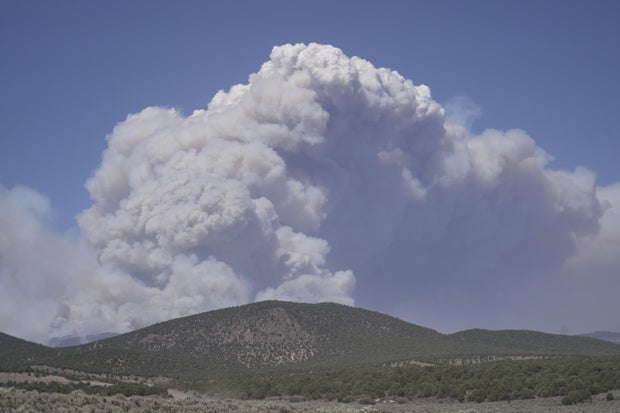
Utah is battling the largest active U.S. wildfire, with the Cottonwood Fire burning over 92,000 acres at 0% containment amid 45 mph winds, single-digit humidity, and severe drought conditions. The state declared an emergency and imposed fireworks restrictions through July 5, while mandatory evacuations, land closures, and utility shut-off watches raise near-term disruption risks for travel, power, and local infrastructure. Nearly 3 million acres have burned nationally since the start of the year, underscoring elevated wildfire risk across the western U.S.
This is not just a near-term disaster headline; it is a signal that the western U.S. is moving into a higher-frequency, higher-severity fire regime that can impair regional economic activity for multiple quarters. The immediate market impact is concentrated in travel/leisure, but the second-order effect is broader: utility reliability, outdoor recreation spend, municipal insurance costs, and state-level budget stress all deteriorate when fire seasons start earlier and persist longer. For geographically concentrated operators, the key issue is not one fire event but a higher probability of repeated access restrictions, cancellations, and capex on mitigation.
Zion’s direct earnings exposure appears limited from this event alone, but the stock can still trade on perceived demand elasticity and headline risk because park visitation and ancillary spending are highly sensitive to smoke, access closures, and consumer substitution. The bigger risk is a multi-week drag on summer bookings across the Southwest if the fire plume and red-flag warnings persist into peak holiday travel; that would pressure not only park-related operators but also hotels, airlines, RV demand, and regional service businesses. Meanwhile, utilities and insurers face a more durable problem: fire-related hardening costs and potential liability repricing can keep multiples compressed even without immediate damage to assets.
The contrarian point is that the market may overfocus on the acute fire itself and underweight policy response. Temporary fireworks restrictions, public-land closures, and power shutoff watches reduce the odds of a near-term catastrophe, which can cap downside in the most visible names after an initial selloff. But the underlying drought/weather setup means any relief is tactical; a single weather break does not reset the regime, and the next ignition event can arrive within days. In other words, fading the first-order panic may work, but fading the structural climate premium likely does not.
AI-powered research, real-time alerts, and portfolio analytics for institutional investors.
Request DemoOverall Sentiment
strongly negative
Sentiment Score
-0.65
Ticker Sentiment
