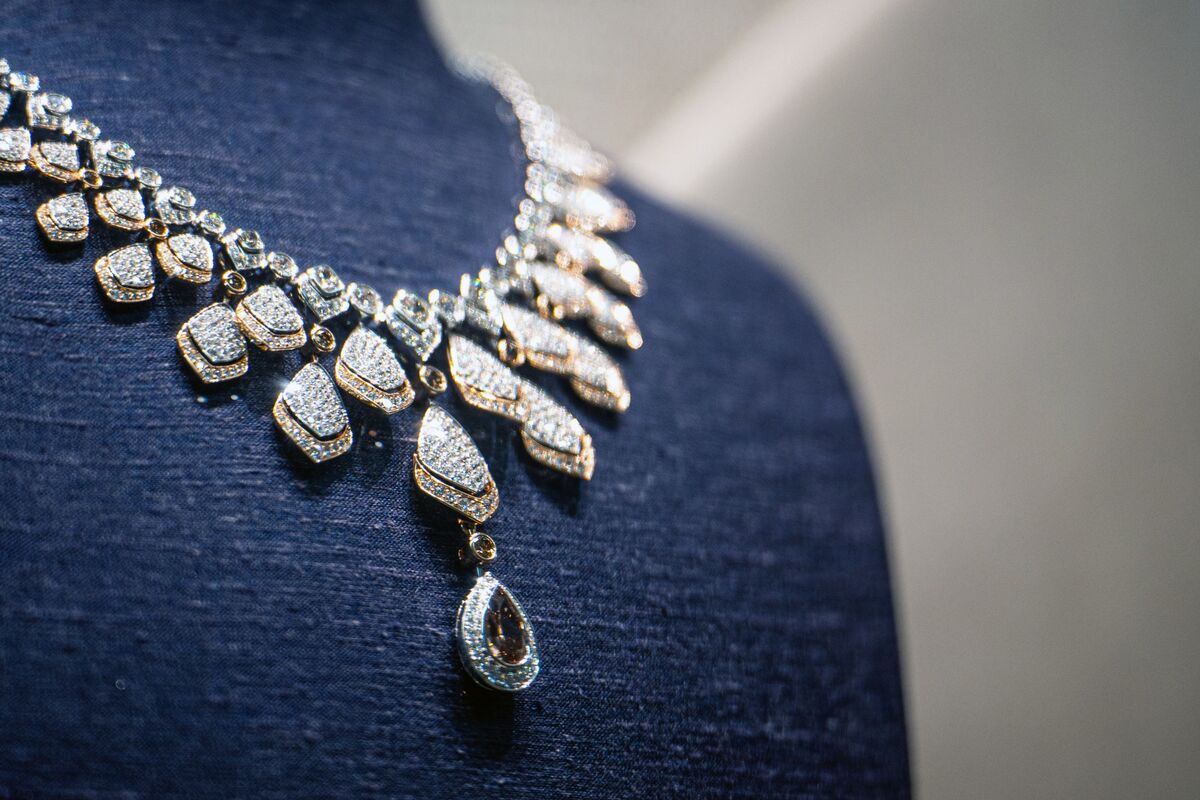
De Beers introduced some of the deepest ever cuts to its official diamond prices in its first sale since reducing its handpicked buyers, signaling a potential shift away from holding prices above market rates. The move coincides with softer Chinese luxury spending and increased demand for synthetic stones amid an industry-wide, prolonged downturn. While no specific price-cut percentages were provided, the change suggests management is adjusting pricing and distribution to protect key customers and stabilize volumes.
This is less a one-off pricing event than a signal that the industry’s old inventory anchor has broken. The immediate losers are upstream miners and any cutter/wholesaler carrying stock at prior assumptions; the first-order hit is not just lower realized prices, but a higher probability of markdowns and covenant pressure across the midstream as working capital gets revalued.
The cleaner public proxy is AAL: De Beers pricing weakness bleeds into Anglo’s cash flow optics and, more importantly, its narrative of controllable supply. Over 1-3 months, watch for follow-on order delays as buyers wait for the next concession; over 6-18 months, the bigger issue is structural multiple compression for any listed exposure tied to natural diamond scarcity, because the category now looks more like a cyclical commodity than a branded luxury asset.
Contrarianly, the cut may be near-term constructive for downstream retailers if it clears stale inventory and lowers replacement costs. But that only matters if consumer demand stabilizes; if Chinese luxury demand stays soft, cheaper stones mainly accelerate a downcycle rather than restart it. The thesis is falsified if polished-price indices stabilize through the next two selling cycles or if China/US bridal demand reaccelerates enough to restore pricing power.
AI-powered research, real-time alerts, and portfolio analytics for institutional investors.
Overall Sentiment
mildly negative
Sentiment Score
-0.30
Ticker Sentiment
