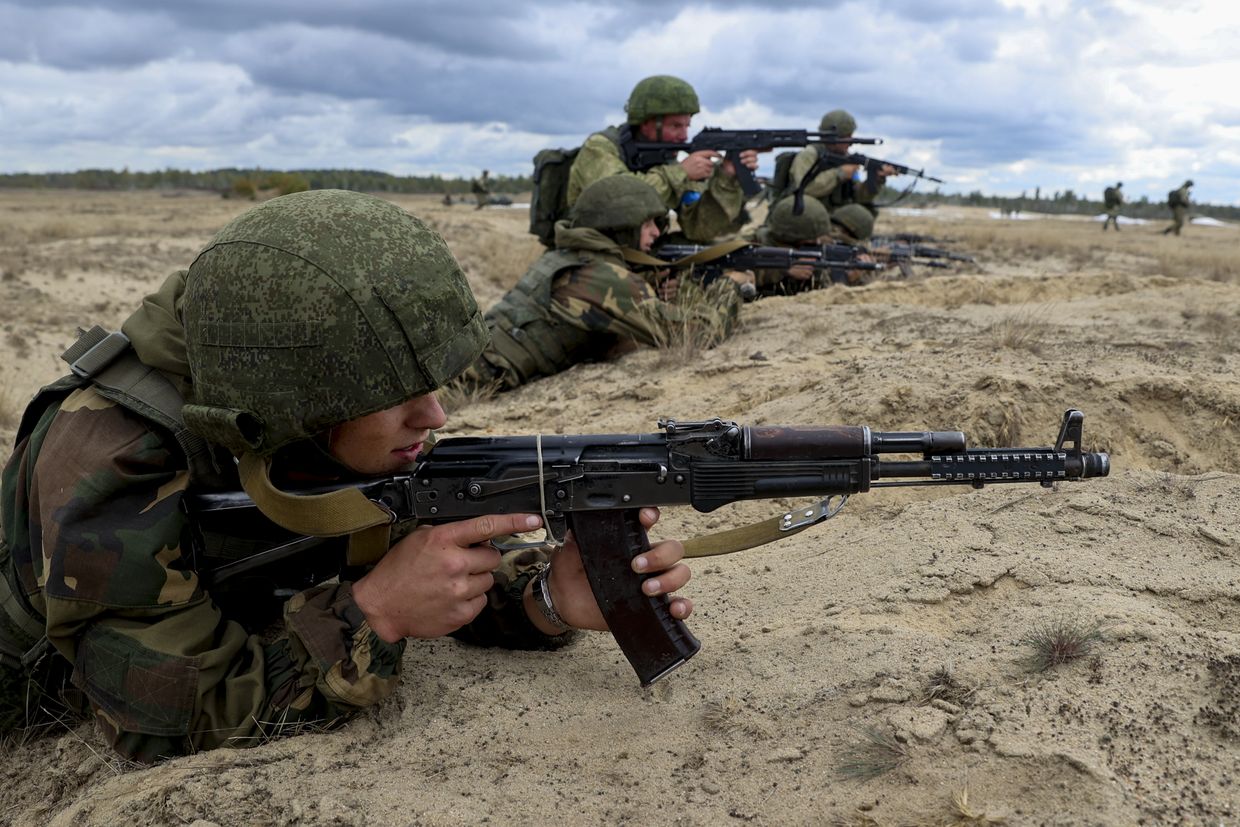
Russia is intensifying efforts to pull Belarus deeper into the war against Ukraine, with Zelensky warning that Moscow is seeking Minsk’s support for new acts of aggression and may also use Belarusian territory against NATO members. Ukraine says it is strengthening defenses along the northern border after reports of new roads, logistics routes, artillery positions, and possible staging activity in Belarus. The risk of broader regional escalation raises geopolitical and defense-related market risk across Eastern Europe and NATO’s eastern flank.
The immediate market read is not about a full Belarusian mobilization, but about a larger probability mass assigned to low-probability, high-impact northern escalation. That shifts the pricing of tail risk for regional assets: Polish and Baltic sovereign spreads, local banks, and frontier-adjacent currencies can gap on headlines even if the operational reality remains unchanged for weeks. The more important second-order effect is logistical: any incremental buildout in Belarus forces Ukraine to keep scarce air defense, ISR, and maneuver reserves pinned to the north, reducing flexibility in the east and south.
For defense equities, this is less about a one-day sympathy move and more about extending the order backlog narrative for counter-drone, short-range air defense, artillery, and border-surveillance systems. The beneficiaries are contractors with exposed European demand and replenishment pipelines; the losers are the industrials and transport names with meaningful Central/Eastern Europe exposure because insurance, rerouting, and capex for contingency planning can rise before any kinetic event occurs. Energy markets are a more subtle transmission channel: the article raises the odds of localized supply disruptions and sanctions leakage, but the bigger near-term impact is a risk premium embedded in European gas and power rather than crude.
The contrarian view is that markets often overreact to Belarus headlines because Minsk has historically been more valuable as a staging and coercive instrument than as an independent combatant. Unless there is visible railroad, fuel, and hospital mobilization at scale, the base case remains signal rather than immediate invasion. That said, the setup can deteriorate quickly over a 2-6 week window if Russia uses exercise cover to concentrate forces near Kyiv/Chernihiv, so the right framing is optionality: cheap protection against a headline-driven gap rather than a directional bet on full escalation.
AI-powered research, real-time alerts, and portfolio analytics for institutional investors.
Request DemoOverall Sentiment
strongly negative
Sentiment Score
-0.78
