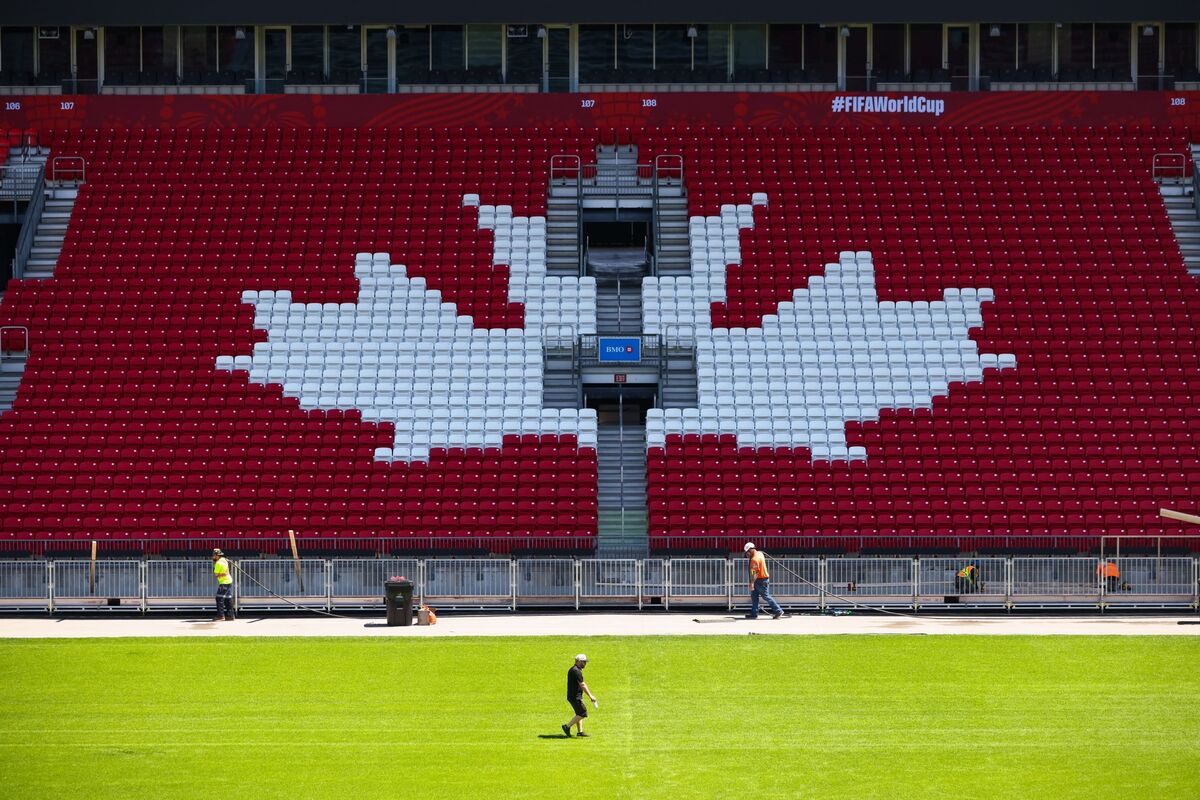
Canada will spend just under C$1.1 billion ($801 million) to host its 13 FIFA World Cup games, according to the parliamentary budget officer. That works out to about C$82 million per game across Toronto and Vancouver, adding to the public-sector cost burden of the tournament. The article is primarily a fiscal spending update rather than a direct market-moving development.
This is a classic case of a politically visible, economically diffuse spend: the direct boost to local GDP is likely modest, while the leakage to imported goods, security, temporary labor, and event-management contractors will be high. The more important second-order effect is not the tournament itself but the precedent it sets for municipal/provincial fiscal discipline into 2026 budgets, especially in an environment where taxpayers will be more sensitive to discretionary outlays than headline infrastructure rhetoric suggests.
The main winners are venue-adjacent operators with high incremental utilization: hotels, short-term rentals, transit-linked retail, and select leisure operators in Toronto/Vancouver. The losers are taxpayers and, more subtly, domestic contractors that may face margin pressure if governments insist on fixed-budget delivery and timeline certainty; that typically shifts pricing power toward large, integrated project managers and away from smaller local vendors. If execution slips or crowd/security costs escalate, the event can become a reputational drag rather than a demand catalyst, but that tail risk is mostly contained before the games begin.
From a market standpoint, this is more a sentiment and expectations trade than a fundamental earnings event. Any uplift in travel/leisure names should be brief and front-loaded into the event window, with the bigger opportunity appearing in post-event normalization when speculative positioning unwinds and occupancy/revenue comps get harder. The contrarian view is that investors often overestimate the structural benefit of mega-events; most of the spend is non-recurring, and the economic impulse tends to fade quickly once the last match is over.
The key catalyst is not the games themselves but any further disclosure of overrun risk or public criticism of cost controls, which could widen the fiscal-policy narrative and pressure locally exposed sentiment names. Over the next 1-3 months, watch for revisions to provincial spending guidance, municipal tourism commentary, and booking data in the relevant cities; if those do not accelerate, the trade should be faded rather than chased.
AI-powered research, real-time alerts, and portfolio analytics for institutional investors.
Request DemoOverall Sentiment
mildly negative
Sentiment Score
-0.15
