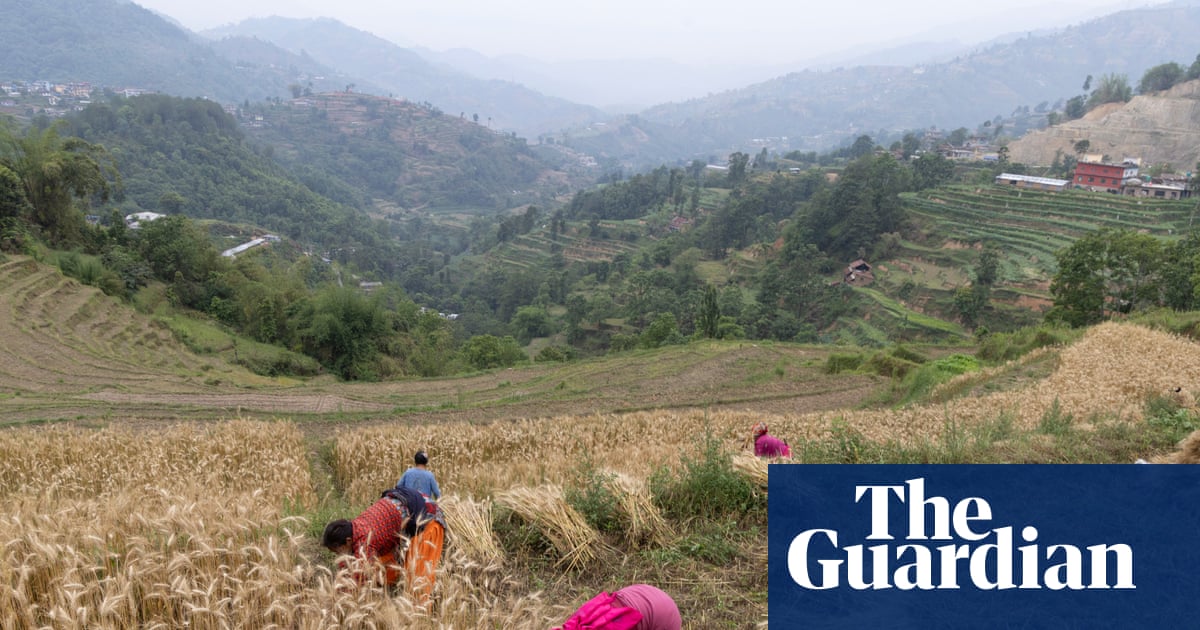
Fertiliser shipments through the Strait of Hormuz have been frozen, creating a supply crunch that is already hurting farming in the UK, Europe and the US and is worst in developing markets. The World Food Programme warns nearly 45 million more people could fall into acute food insecurity if the Iran conflict persists through mid-year. The article also highlights rising food and fuel costs, UK aid cuts to 0.3% of GNI, and new UK climate and development funding commitments amid heightened geopolitical risk.
The first-order shock is not just higher fertilizer prices; it is a forced reduction in planted acreage and nutrient intensity that will show up with a lag in crop yields over the next 1-2 growing seasons. That makes the real transmission channel broader than ags: higher input costs can compress food processing margins, lift sovereign food subsidies in EM, and keep headline inflation stickier just as rate-cut expectations remain fragile. The market usually underestimates the persistence of these shocks because inventories can mask the problem for a few weeks, but agronomic decisions are made on a deadline, not a price chart.
The clearest winners are upstream producers and logistics substitutes with non-Hormuz routing or local feedstock advantages. Nitrogen and potash producers outside the immediate chokepoint gain pricing power, while rail, storage, and diversified shipping names can capture some rerouting demand if maritime bottlenecks intensify. The second-order loser set is larger than ags: EM consumer staples, fertilizer-intensive crops, and countries reliant on imported food/fuel face margin squeeze plus policy risk from export restrictions and subsidy escalation.
The most important catalyst is whether the supply interruption persists past the northern hemisphere planting window. If not resolved within weeks, the damage shifts from inflationary to physically constrictive, and that is when ag prices can gap higher in a nonlinear way. A faster reversal would require a credible reopening of the strait plus inventory releases; absent that, this becomes a summer-to-autumn earnings season problem for food, retail, and EM sovereign spreads rather than a one-off headline event.
Contrarian view: the market may already be partially pricing a geopolitical premium in energy and some ag inputs, but it is likely underpricing duration risk in fertilizers because the equity market thinks in quarterly earnings, while farmers think in seasons. Conversely, if policymakers force a corridor quickly, the move in some ag-linked equities could mean-revert sharply, so chasing the headline without confirmation of physical flow is risky.
AI-powered research, real-time alerts, and portfolio analytics for institutional investors.
Request DemoOverall Sentiment
strongly negative
Sentiment Score
-0.82
Ticker Sentiment
