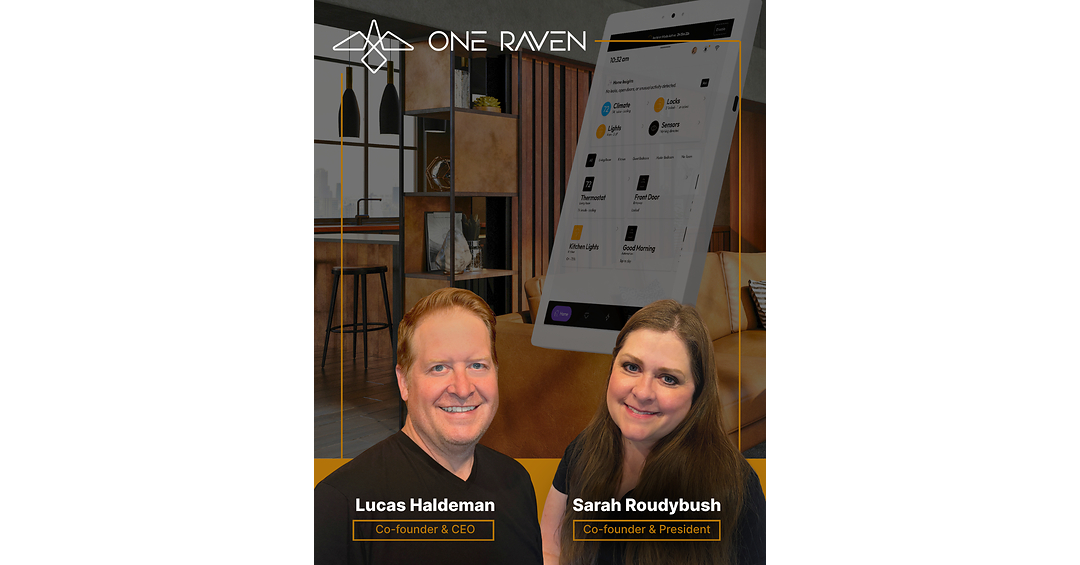
One Raven launched a privacy-first, local-first smart home platform and raised a $5M seed round led by Fifth Wall to scale its One Raven Home Server and initial device suite. The system runs locally on the home network, avoids cloud pairing and external data collection, and is positioned as requiring no subscriptions or hidden fees—addressing FTC/Pew-cited concerns around smart product update transparency (89% failed to disclose update timelines) and data use anxiety. Near-term use-case expansion includes an initial device lineup (thermostats, locks, leak detection, security sensors) and planned homebuilder partnerships in Q3 2026.
This is more of a category signal than a near-term earnings event. The investable implication is that smart-home monetization may be shifting from recurring cloud revenue to low-friction hardware and local software, which is structurally harder to monetize but more privacy-aligned. That creates pressure on incumbents whose valuation depends on subscription attach rates and data monetization; if consumers start to expect "no fees" as the default, gross margins and customer lifetime value for cloud-dependent home-security and smart-home platforms can compress over 6-18 months.
The second-order read-through is to the installation and channel layer. If homeowner-centric local systems gain traction with builders, the winners may be device manufacturers, installers, and builder-facing platforms rather than the software layer itself. The likely losers are platforms with app fragmentation, forced cloud connectivity, and recurring charges; those models become easier to compare against a cheaper, privacy-first alternative, even if the alternative is less scalable and more hardware-intensive.
Contrarian view: the market may be overestimating the TAM for privacy as a standalone purchase driver. Home automation is still a friction-sensitive category, and a no-subscription model removes the annuity that usually funds CAC, support, and ongoing feature development. Until there is evidence of repeatable builder partnerships and clear unit economics, this remains a venture story, not a public-market catalyst. The thesis would be falsified if early homebuilder wins fail to translate into deployable volume within 1-2 quarters or if churn/installation complexity proves too high.
AI-powered research, real-time alerts, and portfolio analytics for institutional investors.
Request DemoOverall Sentiment
mildly positive
Sentiment Score
0.35
Ticker Sentiment
