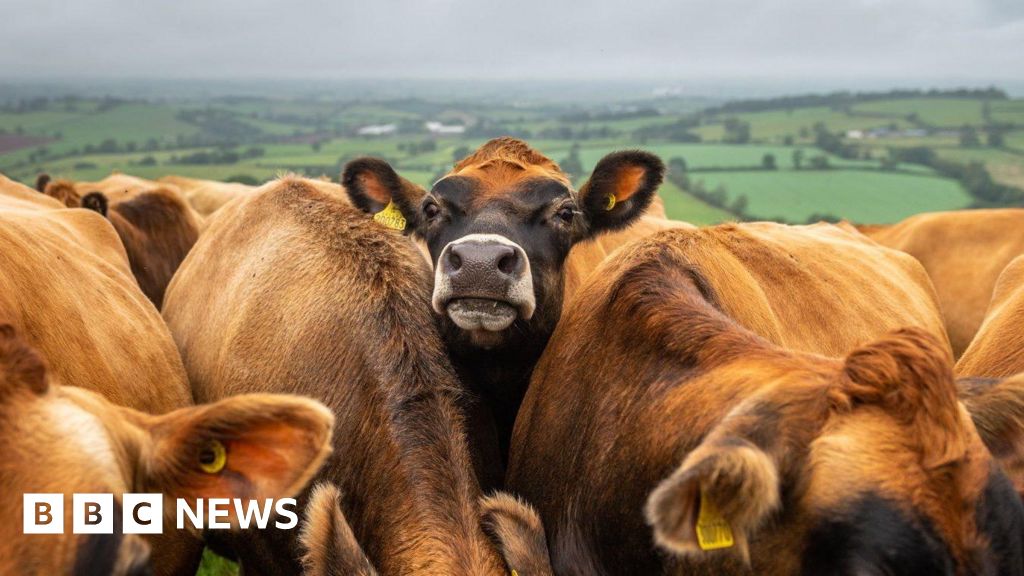
Rising conflict-driven input costs are squeezing UK farmers, with energy, fertiliser and animal feed prices facing "massive upward pressure" and red diesel still around 50% above pre-conflict levels. The NFU says the industry is "bereft of confidence" and struggling to remain viable, while the government is cutting red diesel duty by more than a third to offset costs. The story points to higher food inflation risks and continued pressure across the agricultural supply chain.
The immediate market impact is not in farm equities — it is in the upstream input complex. When geopolitics lifts energy, fertilizer, and feed simultaneously, the first-order hit lands on agribusiness margins, but the second-order effect is a delayed pass-through into packaged food, animal protein, and restaurant inflation over the next 2-6 months. That matters because retailers and processors usually resist pricing early, so margin compression shows up first in the middle of the supply chain before shelf prices adjust.
The more interesting dynamic is competitive: larger farms and vertically integrated players can absorb volatility through hedge programs and procurement scale, while small and mid-sized operators get structurally weaker. That should accelerate consolidation in farmland operators, feed distributors, and local processors, especially in regions where input intensity is highest. If this persists into planting and harvest decisions, acreage mix can shift away from fertilizer-intensive crops, creating a subtle bullish setup for grain prices even if headline food inflation looks contained initially.
Policy relief like lower red diesel helps at the margin, but it does not offset the broader cost shock from imported inputs priced in global markets. The real risk is that temporary fuel support masks a deteriorating profitability picture, delaying supply response and increasing insolvency risk later in the year. If energy or freight cools quickly, the trade unwinds fast; if not, this becomes a multi-quarter earnings problem for food manufacturers and animal protein names, not just farmers.
Consensus is probably underestimating how much of this inflation is sticky versus transitory. Markets tend to price commodity shocks as short-lived, but agriculture has long lags: buying decisions, herd rebuilding, crop rotations, and contract resets can keep price pressure alive well beyond the initial conflict-driven move. The cleaner contrarian angle is that the pain trades may be overdone in pure farming proxies, while the real beneficiary is upstream fertilizer and select grain exposure if supply constraints persist into the next growing season.
AI-powered research, real-time alerts, and portfolio analytics for institutional investors.
Request DemoOverall Sentiment
strongly negative
Sentiment Score
-0.55
