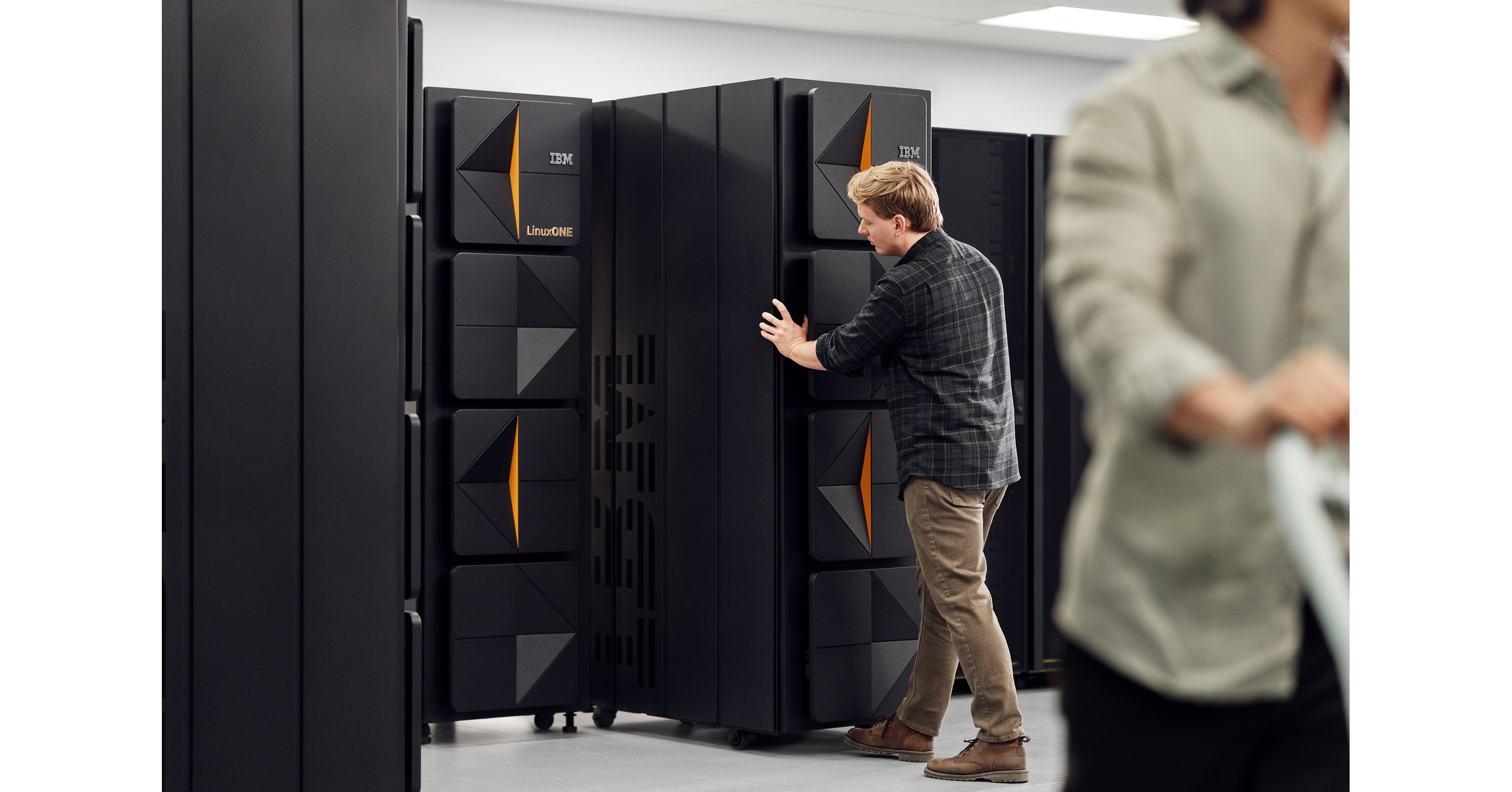
IBM announced new IBM z17 and LinuxONE 5 configurations with added single-frame and rack-mount options, including up to 82 cores and 18TB memory (about +20% cores and +12% memory vs prior referenced configurations). The update also standardizes post-quantum cryptography on z17 and LinuxONE Rockhopper 5 and adds new infrastructure management (Terraform/Infrastructure-as-Code) plus IBM COBOL Elevate for z/OS (availability Sept 18, 2026). Overall, the company is positioning for data-center constrained demand (CBRE citing rental rates >$400/kW/month) with a security- and AI-inferencing-focused platform expansion.
IBM is using physical footprint constraints as a wedge to defend one of its stickiest revenue pools: the more the buyer is boxed in by power density and secure-workload requirements, the less optionality they have to rip-and-replace. That tends to lift software and services attach more than hardware revenue, which is the part the market should care about if this starts to show up in backlog and mix rather than just press-release orders.
The second-order beneficiary is IBM’s ecosystem, especially Red Hat/OpenShift and security tooling, because the real monetization is in simplifying operations and reducing specialist labor. The likely loser set is incremental colocation demand at the margin: if customers can re-pack workloads into smaller, denser deployments, some planned expansions get deferred, which is mildly negative for premium capacity providers and the advisers that live off transaction volume. This is not a broad cloud displacement story; it is a retention-and-compliance story for regulated workloads.
Near term, the market reaction should be modestly positive but probably not durable unless IBM shows a step-up in zSystems/software growth over the next 1-2 earnings cycles. The contrarian risk is that investors overpay for the AI label while the real economics are just maintenance of legacy installed base; if AI inferencing on mainframes does not translate into measurable attach rates, the re-rating fades. Falsifiers: no improvement in Systems revenue, no software mix uplift, or any sign that customers are deferring these systems because of broader enterprise spending pressure over the next 6-12 months.
AI-powered research, real-time alerts, and portfolio analytics for institutional investors.
Request DemoOverall Sentiment
mildly positive
Sentiment Score
0.15
Ticker Sentiment
