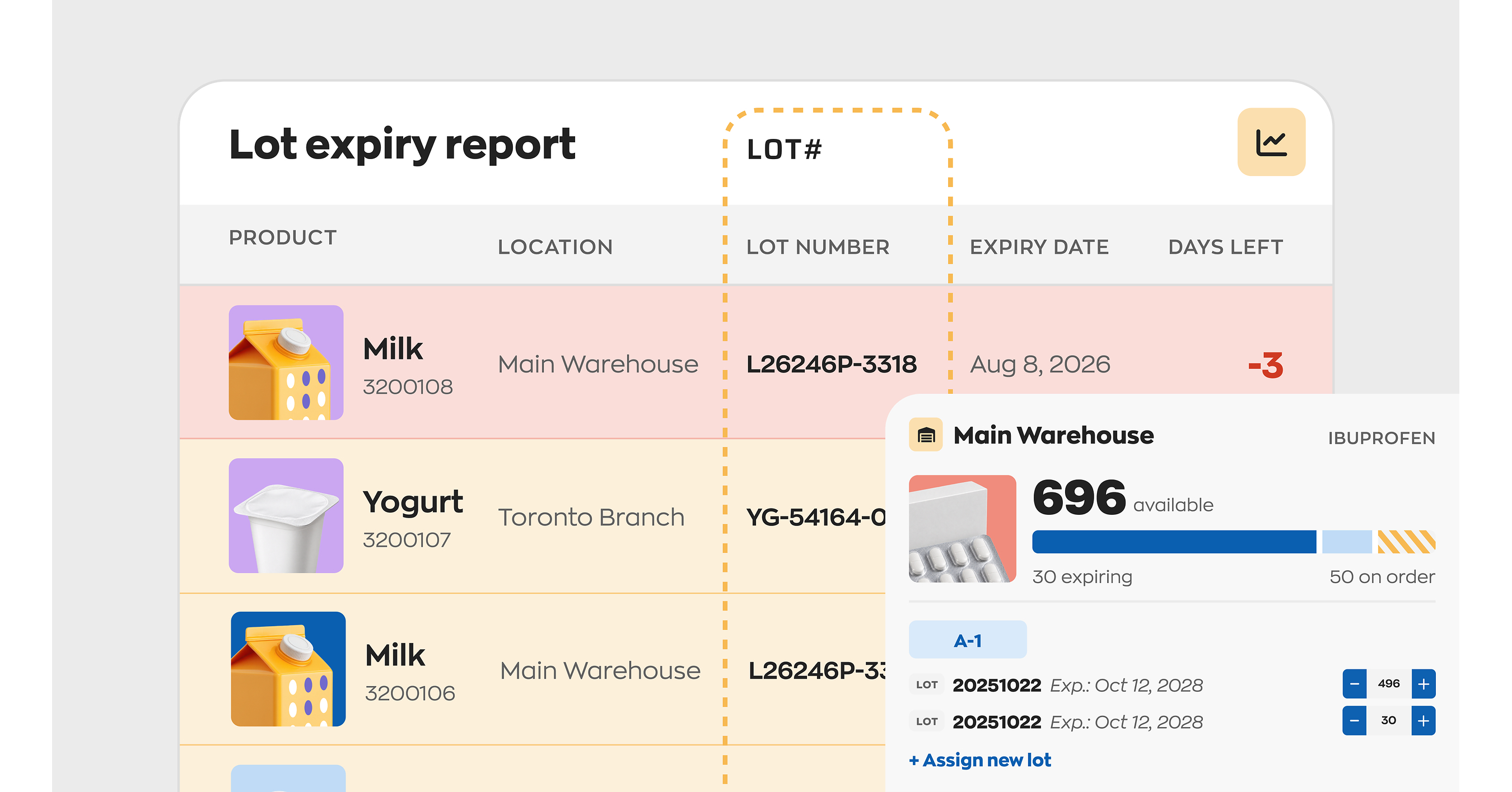
inFlow Inventory launched lot number and expiry date tracking to provide batch-level traceability from receipt to customer, positioning it as a lower-cost alternative to enterprise ERP. The release includes expiry calculation, a Lot Expiry report (Expired/Near expiry/Past sell-by), first-expired-first-out picking, and enhanced GS1 barcode/Digital Link support with web/mobile workflow coverage. Pricing is positioned as included at no additional cost on Mid-Size plans and above, with a free trial option for new customers.
This is more of a software distribution signal than a fundamental inflection: the economic value sits in reducing compliance friction for a narrow set of regulated SMBs, which helps retention and upsell more than it creates a new standalone revenue pool. The main beneficiary is the broader merchant-stack ecosystem, where traceability features lower the odds that a customer outgrows point tools and gets forced into a costly ERP migration; that is supportive for SHOP’s app-led merchant retention and for XROLF-type SMB accounting/workflow stacks that sit adjacent to inventory.
The second-order winner is any vendor that can become the default operating system for “regulated SMB” workflows, because once a business encodes lot/expiry logic into its processes, switching costs rise materially. That can pressure legacy entry-level ERP and manual-process providers at the bottom end, but the share shift is likely slow: many of these buyers are only purchasing when a recall, audit, or retailer requirement makes the pain tangible. So the near-term P&L impact is modest, while the 6-18 month effect could be stickier customer cohorts and better net retention if integrations deepen.
The contrarian risk is that the market overestimates adoption breadth. For most SMBs, traceability is a compliance checkbox, not a growth feature, so unless this converts free users into paid mid-tier plans, it may never move ARPU enough to matter. The key catalyst path is not the feature launch itself but proof of uptake: partner integrations, vertical penetration in food/pharma, and evidence that customers actually migrate off spreadsheets after a regulatory or recall event. Absent that, this reads as a solid product improvement with limited tradable impact rather than a rerating catalyst.
AI-powered research, real-time alerts, and portfolio analytics for institutional investors.
Request DemoOverall Sentiment
mildly positive
Sentiment Score
0.12
Ticker Sentiment
