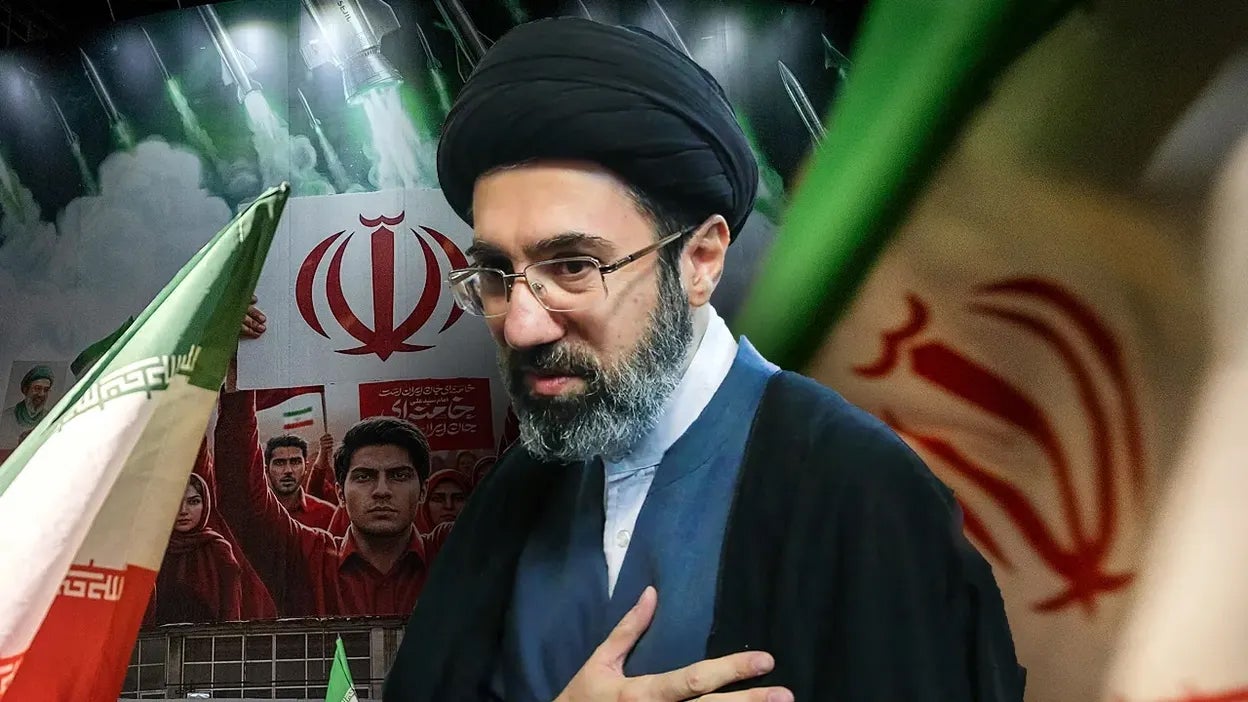
Iran and the U.S. are escalating their standoff, with Tehran saying it is prepared for "every scenario" while the U.S. maintains a maritime blockade of Iranian ports and has redirected 90-91 ships. The Strait of Hormuz remains the key flashpoint: Iran says 26 vessels transited under IRGC coordination, while UKMTO warns of "extreme" risks including missile, drone and mine threats. Trump signaled he may delay further strikes to preserve diplomacy, but also warned the U.S. will not allow Iran to obtain a nuclear weapon.
The market is pricing a delay as de-escalation, but the more important signal is procedural militarization: once a maritime blockade becomes routinized, shipping risk migrates from headline-event risk to operating-risk risk. That tends to widen insurance premia, lengthen voyage times, and create a persistent discount on Middle East route exposure even if no new strikes occur. The first-order winners are non-Gulf crude and LNG exporters with flexible routing; the second-order winners are defense primes and cyber/electronic-warfare vendors as navies are forced into a longer posture of escort, interdiction, and ISR support.
Energy is the most asymmetric near-term tape. The Strait is less about absolute lost barrels than about the option value of disruption: even a partial impairment can reprice prompt crude faster than physical balances justify, because refiners and traders must carry larger buffers. That matters most for airlines, trucking, chemicals, and Asian refiners with thin crack spreads; they absorb higher feedstock costs before end-demand adjusts, so margin compression should show up first in earnings revisions rather than spot price data.
The contrarian read is that the “everyone is bracing for the worst” setup may actually cap follow-through in crude if the blockade remains effective without a true supply shock. If vessels keep transiting under escort and alternative flows re-route smoothly, the trade becomes more about volatility than direction. In that case, long energy outright is less attractive than owning convexity and relative winners while fading downstream margin names.
Politically, the biggest catalyst remains not Tehran’s rhetoric but Washington’s credibility gap: if the administration keeps extending deadlines, risk assets will start treating strike threats as a negotiating tool rather than a binary event. That reduces the probability of a clean capitulation deal, but increases the odds of a rolling, months-long attritional conflict that is worse for logistics-sensitive sectors than for headline-sensitive ones.
AI-powered research, real-time alerts, and portfolio analytics for institutional investors.
Request DemoOverall Sentiment
strongly negative
Sentiment Score
-0.78
