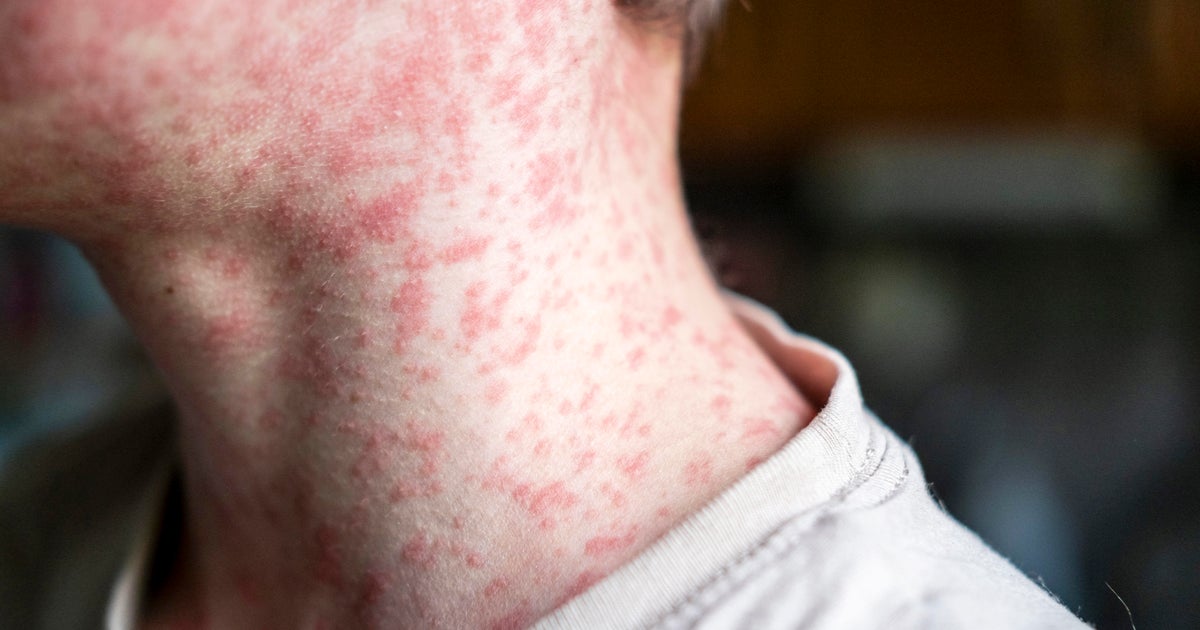
Bangladesh’s measles outbreak has killed almost 400 people and generated more than 56,000 suspected cases, with infections spreading across 58 of 64 districts. U.S. health officials are concerned because domestic measles cases have already climbed to 1,842 confirmed cases across 39 states and jurisdictions as vaccination rates fall below the 95% herd-immunity threshold in many areas. Bangladesh has launched an emergency vaccination campaign targeting 18 million children, but the article warns that porous borders and global travel could intensify cross-border spread.
The investable read-through is not “a health scare” but a near-term acceleration in vaccine-utilization and public-health logistics demand, with the second-order beneficiary set concentrated in large-cap vaccine, cold-chain, and immunization-adjacent infrastructure rather than broad healthcare. The more important market signal is the evidence that the U.S. is drifting toward repeated importation-driven outbreaks, which raises the probability of episodic school-cluster closures, airport screening friction, and procurement spikes that are lumpy but recurring over the next 6-18 months.
For equities, the asymmetry is that the downside is limited for established vaccine franchises while the upside can re-rate quickly if governments expand catch-up campaigns or stockpile demand. Any incremental policy response tends to flow first to products with existing distribution and manufacturing capacity, which favors incumbents over smaller biotech names with less reliable scale. The bigger loser is discretionary consumer mobility around mass gatherings and travel-heavy summer windows, where even a low absolute case count can trigger outsized risk-premium expansion.
The contrarian point is that headline fear may outpace direct earnings impact for many healthcare names; the real medium-term variable is not case counts alone but whether this becomes a multi-country immunization reset that pulls forward demand for MMR, pediatric scheduling, and public-health funding. If the outbreak remains geographically contained and campaign coverage is effective within the next 4-8 weeks, the trade likely fades. If U.S. local transmission sustains into the summer travel season, the narrative shifts from transient news risk to a policy-and-procurement cycle with broader market implications.
AI-powered research, real-time alerts, and portfolio analytics for institutional investors.
Request DemoOverall Sentiment
strongly negative
Sentiment Score
-0.70
