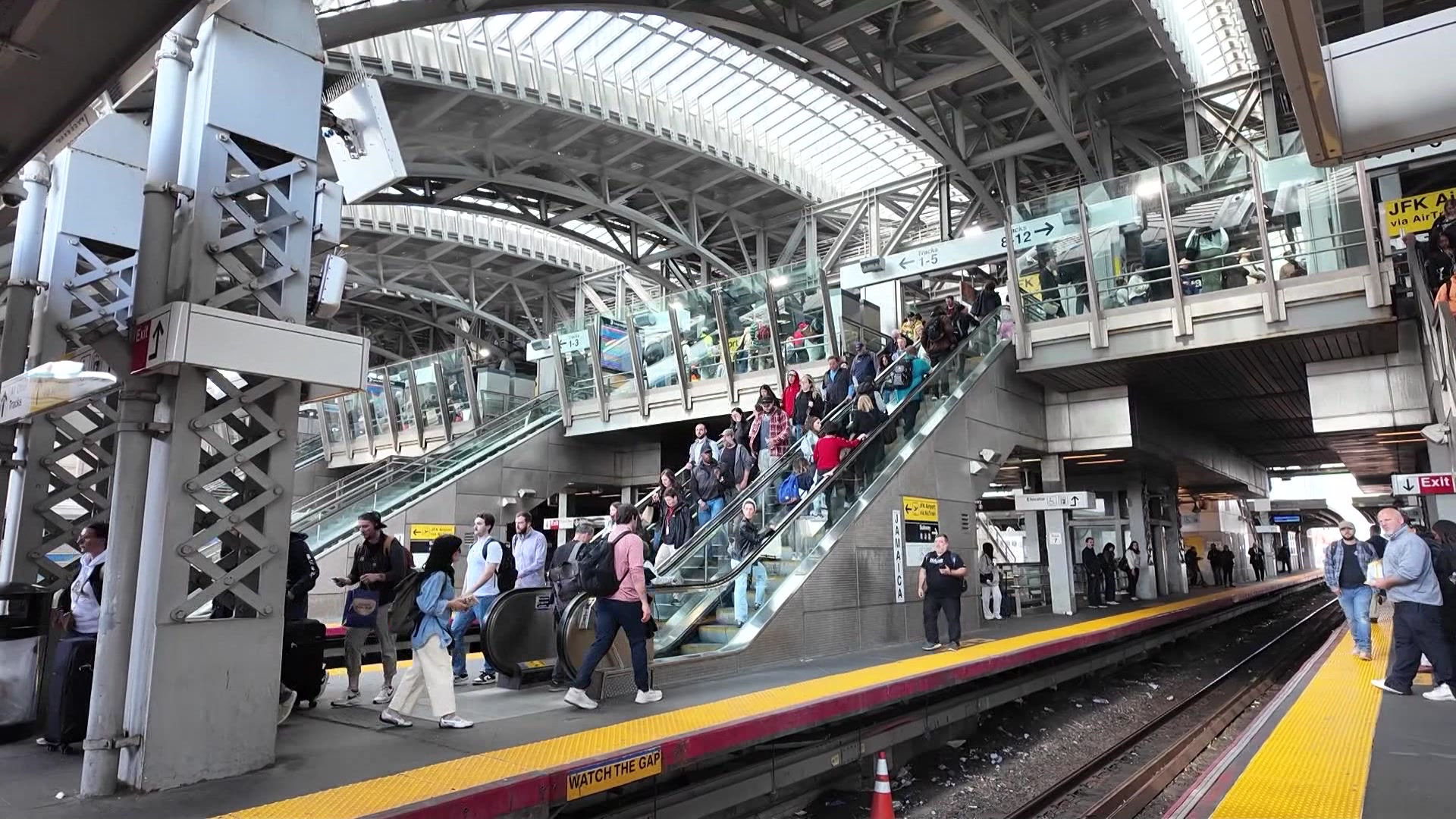
Long Island Rail Road service in and out of Penn Station has been suspended through the Friday morning rush after an electrical fire in an Amtrak tunnel. Most trains are being diverted to and from Grand Central, while the subway will cross-honor LIRR tickets overnight. The disruption is operationally negative for commuters but appears localized rather than market-moving.
This is a near-term disruption, not a structural thesis: the economic impact is concentrated in a single morning commute window, but the second-order effects matter more than the direct lost fare revenue. The immediate winners are alternative transit modes and any last-mile operators that absorb stranded commuters, while the loser set extends to office landlords and downtown retailers that depend on predictable AM foot traffic. In transportation terms, the key variable is elasticity: if riders learn to re-route via Grand Central/subway once, some fraction of that behavior can persist for days after the outage even when service normalizes.
The more important read-through is operational fragility around a core rail node. An electrical incident in a tunnel raises the probability of follow-on inspections, rolling restrictions, and precautionary schedule padding that can outlast the headline by 1-2 weeks. That tends to weigh on commuter-rail reliability metrics and can incrementally benefit ride-hail, urban transit, and remote-work behavior at the margin, especially if this becomes part of a broader narrative about aging Northeast infrastructure.
For markets, the event is too small for broad beta, but it can create short-dated volatility in names levered to Northeast mobility and office utilization. The contrarian angle is that the move may be overdone if investors extrapolate a one-night outage into a recurring capacity problem; unless there is evidence of damage to the tunnel system, most of the economic leakage should mean-revert quickly. The real catalyst would be a second incident or a prolonged investigation, which would convert this from a transient inconvenience into an infrastructure-confidence trade.
Given the defense/infrastructure lens, this is a useful reminder that resilience spending is becoming a procurement theme, but there is no immediate revenue read-through from a single outage. If anything, it modestly improves the argument for capex on grid hardening, tunnel monitoring, and emergency response systems over the next 6-18 months.
AI-powered research, real-time alerts, and portfolio analytics for institutional investors.
Request DemoOverall Sentiment
mildly negative
Sentiment Score
-0.35
Ticker Sentiment
