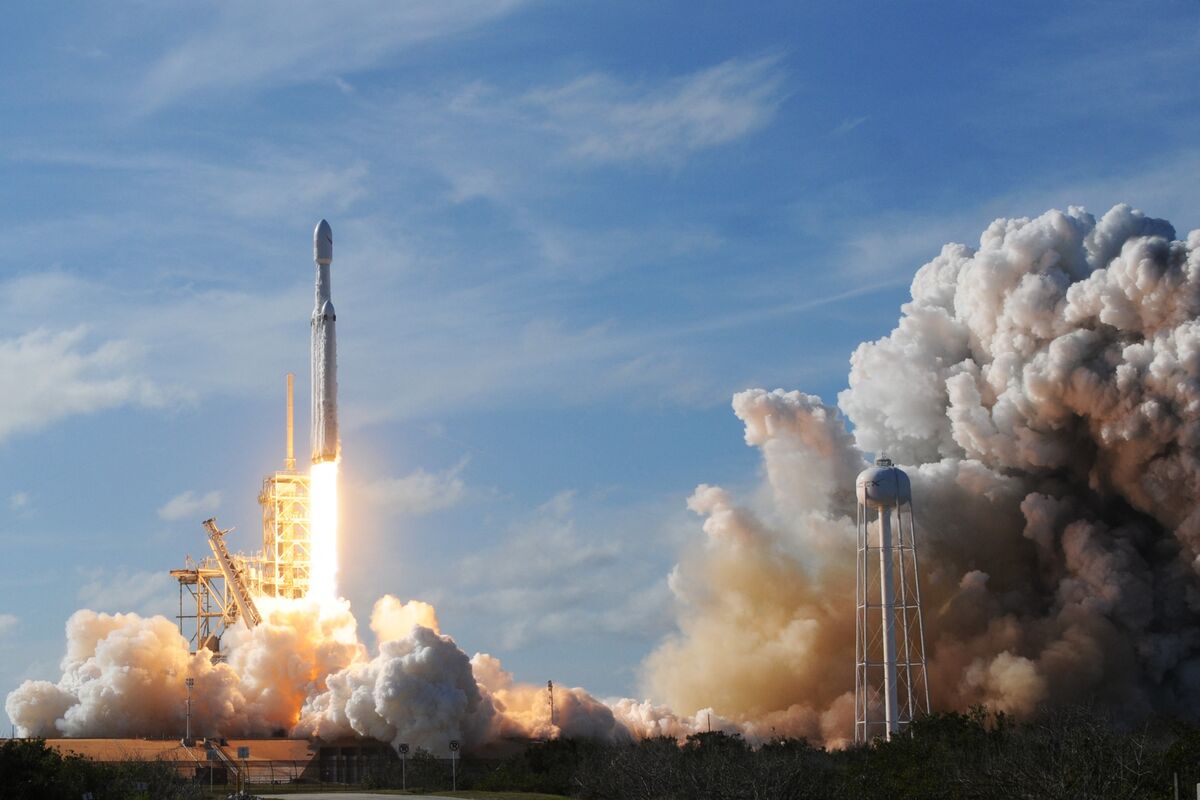
Futurecorp Space Acquisition 1 is seeking to raise $200 million in an IPO to launch a SPAC focused on space manufacturing, launch platforms, and defense investments. The filing highlights continued Wall Street interest in bringing space companies public via blank-check vehicles, with former Surf Air Mobility, xAI, and SpaceX staffers involved. The announcement is constructive for the space/defense venture ecosystem but is still early-stage and unlikely to move broader markets.
The immediate read-through is not to SRFM itself but to the capital-markets signaling effect: another space-focused SPAC suggests the financing window for “pick-and-shovel” space assets is reopening before the underlying revenue model has fully de-risked. That typically pulls forward valuations for later-stage private names in launch, ground systems, and defense-adjacent subsystems, especially where management can frame EBITDA visibility within 24-36 months. The second-order winner is likely the tooling and contract ecosystem rather than pure-play launch, because investors can underwrite recurring revenue from manufacturing and infrastructure more easily than from binary launch cadence.
The main risk is that SPAC demand is often strongest at announcement and weakest by merger-close, which can create a six- to twelve-month air pocket for comparable space equity valuations if redemption rates are high. If rates stay elevated and IPO windows remain selective, sponsors may be forced into lower-quality targets or more dilutive structures, which is negative for existing private holders and for public comps that depend on a clean re-rating narrative. Defense budgets are a partial offset, but they will not rescue consumer-adjacent or speculative orbital businesses if funding costs remain restrictive.
Contrarian view: the market may be overestimating how much this helps the space sector broadly. A $200M vehicle is too small to move fundamental capital formation for the industry, so the bigger signal is psychology, not deployable funding; that means the tradable effect is more likely in sentiment-sensitive small caps than in the best operators. If anything, a wave of similar SPACs could become a contrarian negative if it crowds the market with mediocre paper and raises the discount rate for all space listings.
For SRFM specifically, the data suggests no direct read-through, but the presence of former insiders in adjacent high-growth ecosystems reinforces the thesis that space-adjacent talent is being recycled into finance rather than operating roles. That is usually late-cycle behavior in a theme and worth fading if the stock has already priced in a broad reopening of aerospace/space monetization.
AI-powered research, real-time alerts, and portfolio analytics for institutional investors.
Request DemoOverall Sentiment
neutral
Sentiment Score
0.15
Ticker Sentiment
