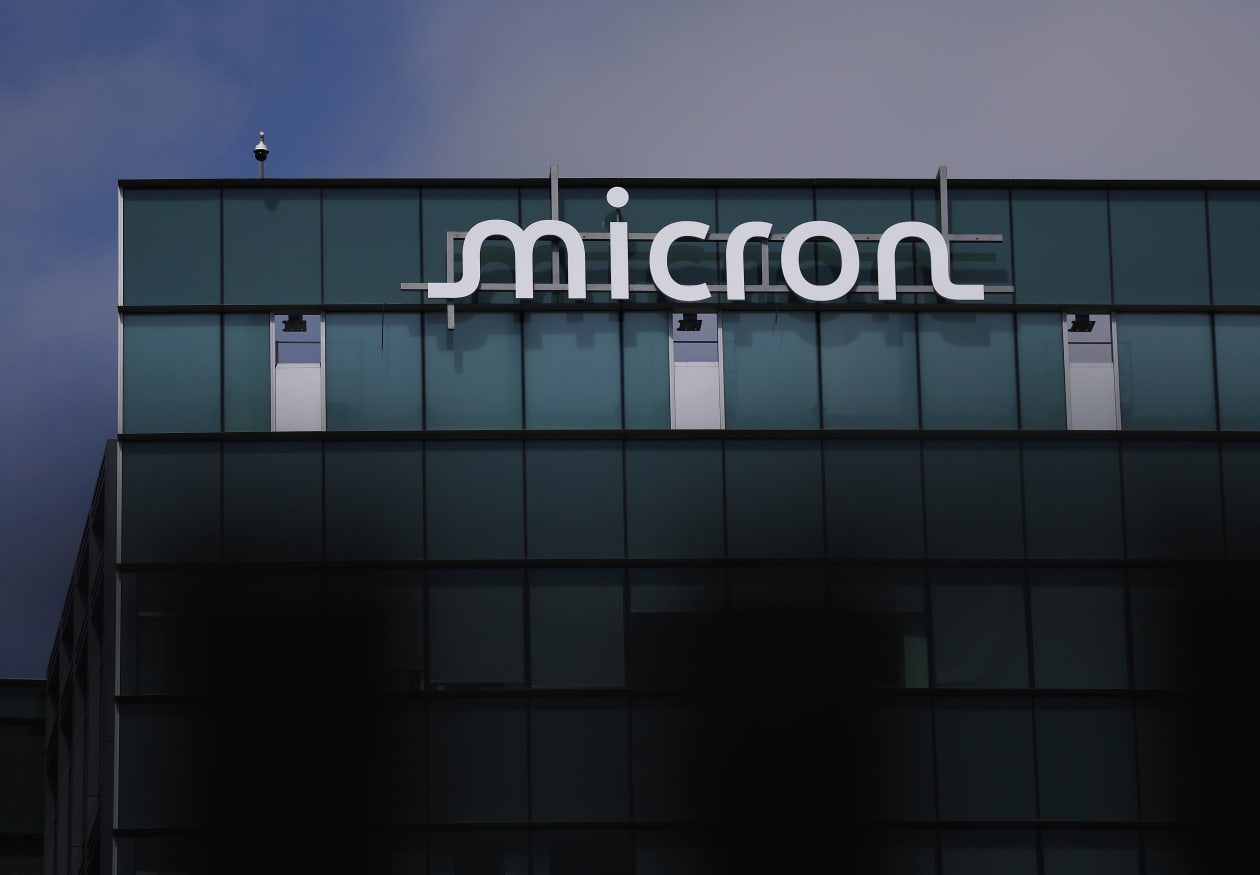
Micron shares rose about 2% as reports of an upcoming 18-day strike by roughly 48,000 Samsung workers raised concerns about tighter memory chip supply. Analysts said the labor disruption could support memory prices, which would be constructive for Micron's pricing environment. The news is positive for Micron and mildly supportive for the broader memory semiconductor space.
The setup is less about the strike itself and more about what it does to an already fragile memory pricing regime: any incremental disruption at a major DRAM/NAND producer tightens spot availability first, then drags contract negotiations higher with a lag. That matters because memory is a classic marginal-supply business; a small supply shock can disproportionately improve pricing power for the entire complex, with the next leg showing up in gross margin expectations before unit demand visibly re-accelerates. The second-order beneficiary is not just the obvious U.S. supplier, but also downstream OEMs that had deferred purchases, creating a temporary pull-forward in orders and better near-term visibility.
The market’s immediate reaction likely understates duration risk. If the labor action is short or partially symbolic, the price move should be transient; if it disrupts output for even a few weeks, the effect can persist for multiple quarters because memory customers tend to rebuild inventory slowly and resist paying up until they are forced to. The key variable is not strike headlines but whether buyers perceive a durable cap on bit supply heading into the next contract cycle; that is what would re-rate the group, not a one-off volume miss.
The contrarian miss is that higher memory prices are a tax on the broader hardware stack. PC, handset, and server OEMs can absorb only so much DRAM uplift before they cut orders, reduce configurations, or push more aggressively on supplier rebates later in the year. That creates a lagged mean-reversion risk: the near-term winners can become medium-term losers if pricing overshoots and triggers demand destruction, especially in consumer devices where memory is a larger share of bill of materials.
AI-powered research, real-time alerts, and portfolio analytics for institutional investors.
Overall Sentiment
moderately positive
Sentiment Score
0.35
Ticker Sentiment
