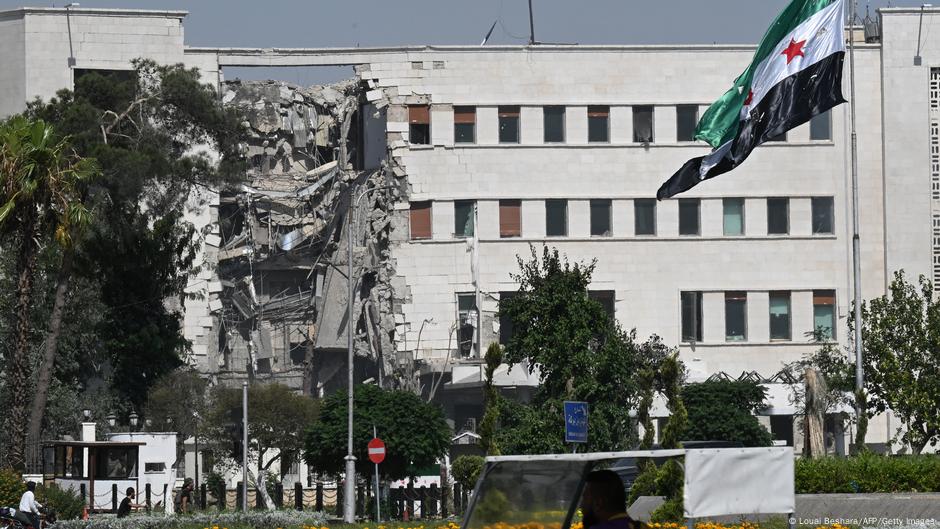
Israel has conducted a third consecutive day of airstrikes on Damascus, targeting Syrian military headquarters, ostensibly to protect the Druze minority amidst escalating clashes in southern Syria that have killed hundreds. While the US expressed concern but anticipates de-escalation, the EU, UN, and Turkey condemned the strikes, citing sovereignty violations and sabotage. This regional escalation coincides with heightened political fragility for Israeli Prime Minister Netanyahu, as the Shas party exited his cabinet, leaving a thin parliamentary majority, underscoring increased geopolitical risk and instability in the Middle East.
A significant escalation in Middle Eastern geopolitical risk is underway, marked by Israel's third consecutive day of airstrikes on Damascus, which targeted Syrian military headquarters. This military action, justified by Israel as a measure to protect the Druze minority, has occurred amid intense clashes in southern Syria that have reportedly resulted in at least 300 fatalities. The international response is fractured; while the UN, EU, and Turkey have condemned the strikes as a violation of sovereignty, the US has expressed concern but simultaneously signaled an expectation of 'imminent deescalation.' Compounding this external conflict is a material increase in Israeli domestic political instability. Prime Minister Netanyahu's governing coalition has been weakened by the departure of the Shas party from his cabinet, leaving him with a thin parliamentary majority. This confluence of direct military engagement and internal political fragility points to a highly volatile and unpredictable environment, justifying the 'strongly negative' sentiment and moderate-to-high market impact score.
AI-powered research, real-time alerts, and portfolio analytics for institutional investors.
Request DemoOverall Sentiment
strongly negative
Sentiment Score
-0.70
