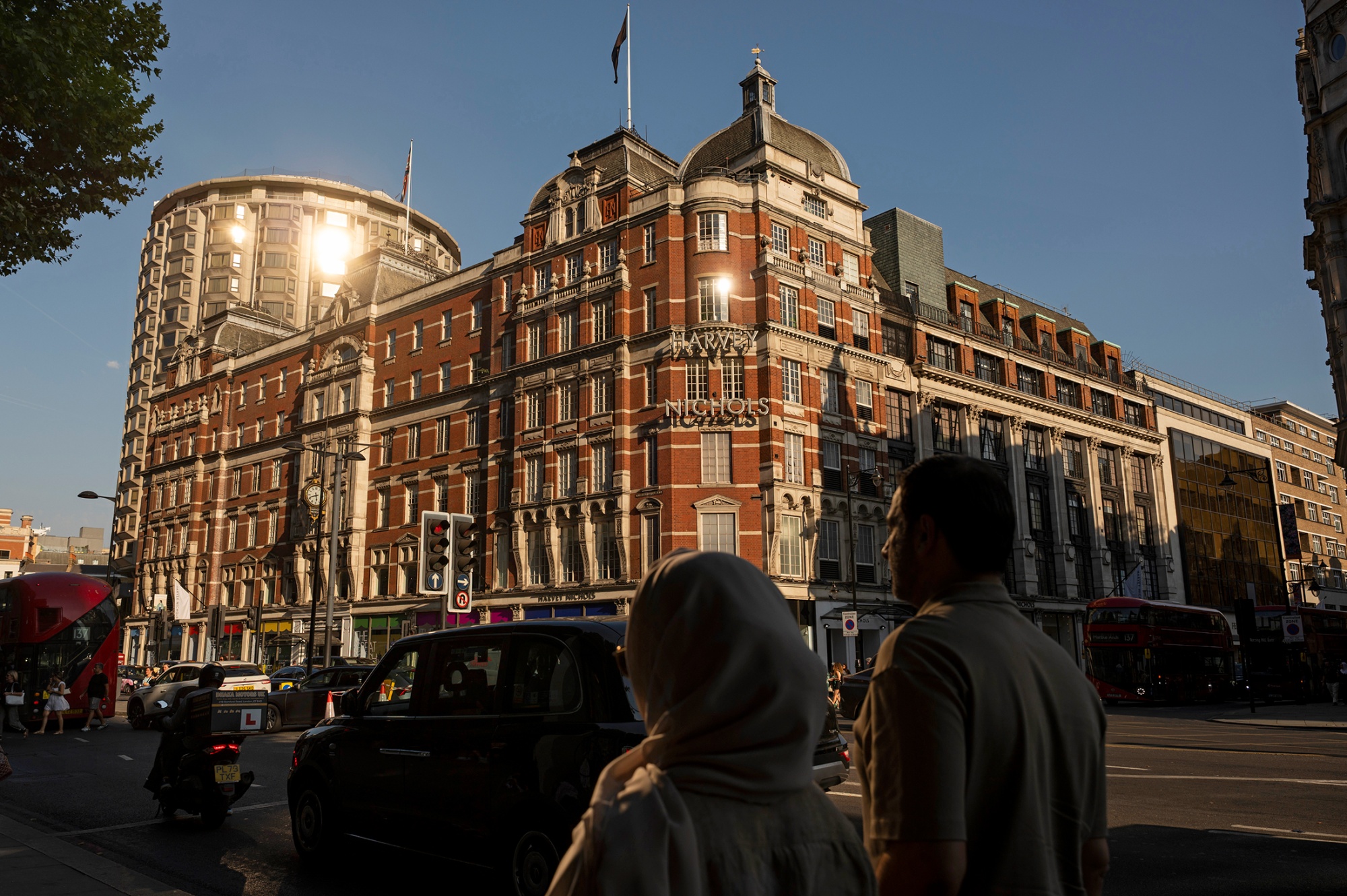
Frasers Group’s real estate portfolio is valued at about £2B, with ~8 million sq ft of retail park/shopping-center space and a stated goal to grow holdings tenfold over the next decade (potentially to ~£20B). The company bought Harvey Nichols ("Harvey Nicks") out of insolvency for ~£40M (=$54M), positioning its flagship Knightsbridge asset as the core of its property-led strategy. Analysts note prior deal losses (e.g., at least £150M on Debenhams and >£30M losses tied to Matches Fashion’s collapse) but argue discounted acquisitions on depressed yield multiples could pay off if physical retail proves more resilient than expected.
Frasers is increasingly a control point in UK retail economics, not just an operator. Owning the boxes lets it monetize distressed competitors twice: first through bargain entry prices, then through landlord leverage over tenant mix, rent resets, and footfall. The underappreciated winner is any balance-sheet-clean retail landlord or developer with cheaper funding; they can wait for distress to clear while peers are forced sellers.
Near term, the stock reaction should be driven by narrative, but the real catalyst is financing structure. If the property book is funded with bonds or JVs, higher refinancing spreads can turn paper NAV into a liability; a spin-out would only be value-creating if the market believes occupancy and cash rents are durable. The tail risk is a consumer slowdown that exposes mark-to-market write-downs before the portfolio is fully stabilized.
Consensus is likely overpaying for optionality and underweighting execution risk. Retail property empires usually look best at the acquisition phase; the payoff only comes if cap rates keep compressing and tenants stay put. Watch for brands quietly de-risking from Frasers-controlled sites or resisting turnover-linked leases — that would signal the landlord edge cuts both ways.
AI-powered research, real-time alerts, and portfolio analytics for institutional investors.
Overall Sentiment
mixed
Sentiment Score
0.10
Ticker Sentiment
