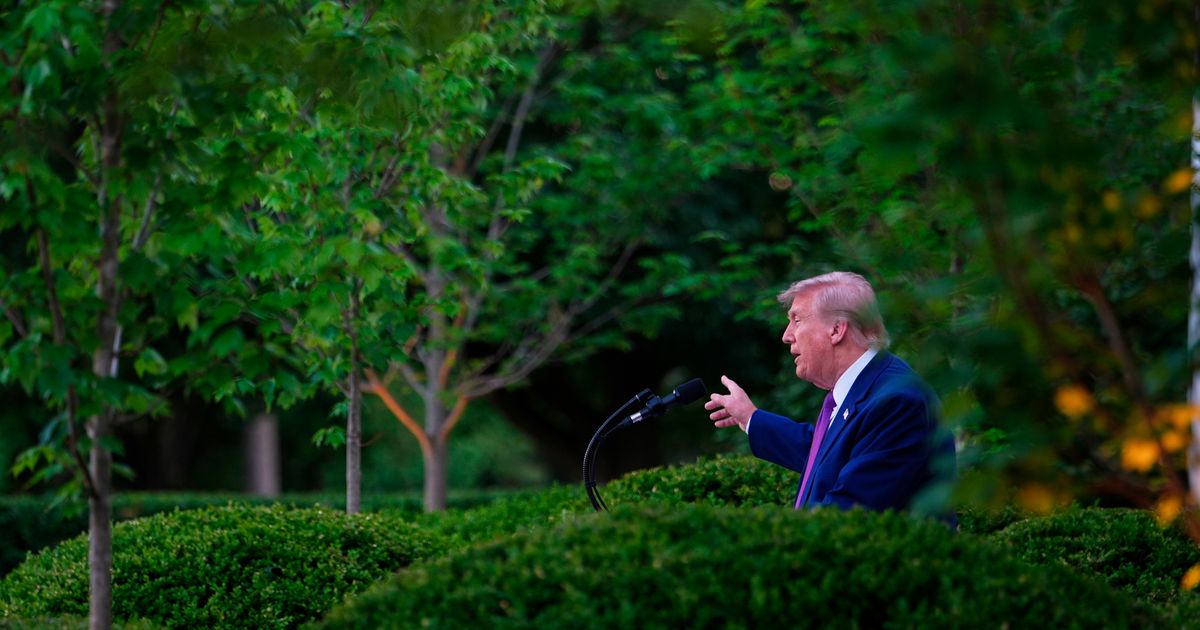
Trump is headed to Beijing as the U.S. pushes China to pressure Iran to reopen the Strait of Hormuz, with the conflict threatening roughly 20% of global crude flows that moved through the waterway before the war. Washington has expanded sanctions on China-based firms and Chinese oil buyers, while Beijing has ответed with a blocking statute and little sign it will deeply intervene. The outcome could affect oil logistics, Middle East risk premia, and broader U.S.-China trade stability.
The market takeaway is not “China solves Iran,” but that Beijing has another incentive to keep Middle East disruption contained: oil disruption is a tax on its own manufacturing/export machine. That makes the most likely outcome a quiet de-escalation channel, not a headline-grabbing policy shift; in other words, the base case is lower tail risk, not a full normalization of shipping flows. For assets, that favors a modest unwind of the geopolitical risk premium in energy and freight rather than a directional collapse.
The second-order effect is more interesting in sanctions. U.S. pressure on China-linked refiners and logistics intermediaries raises compliance friction across the shadow supply chain, which can slow Iranian barrels without fully removing them. That typically widens the spread between sanctioned and unsanctioned crude streams, supporting non-Russian/ non-Iranian supply optionality in Asia and benefiting firms with cleaner provenance, stronger insurance access, and less exposure to U.S. correspondent banking scrutiny.
The risk is that diplomacy fails and both sides use the meeting to harden positions while avoiding a public blow-up. In that scenario, shipping insurers, tanker rates, and regional defense/ISR demand can stay bid for weeks even if outright crude prices only move modestly. The bigger catalyst window is days-to-weeks around the summit and any Strait-related headline; the larger medium-term risk is that the blocking statute and retaliatory sanctions deepen bifurcation in global trade finance.
Contrarian view: the consensus is probably overestimating how much leverage China is willing to apply to Iran, but underestimating how much China can help at the margins without looking aligned with Washington. That suggests a slow-burn, incremental de-risking rather than a binary spike/fade trade. The cleaner trade is not long oil beta; it is short the volatility embedded in transport and sanctions-sensitive names, while keeping a hedge for a failure-to-de-escalate headline.
AI-powered research, real-time alerts, and portfolio analytics for institutional investors.
Request DemoOverall Sentiment
mildly negative
Sentiment Score
-0.15
