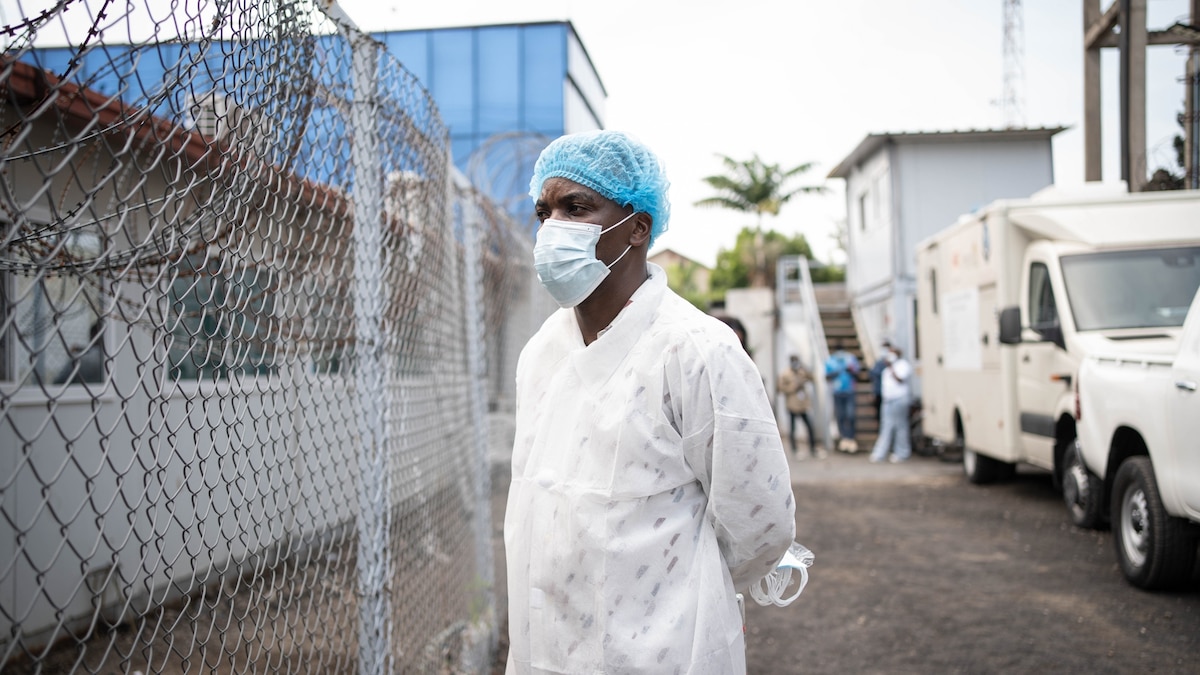
An Ebola outbreak in the Democratic Republic of the Congo and Uganda has caused 139 deaths and nearly 600 suspected cases, with 51 confirmed cases in DRC and two in Uganda. The article emphasizes the outbreak’s containment challenges—remote geography, conflict, porous borders, and limited access to vaccines/treatments for the rare Bundibugyo strain. While the risk to global markets is limited, the event raises regional public-health and humanitarian concerns.
The market-relevant takeaway is not direct Ebola exposure, but a renewed stress test for fragile health-system infrastructure in East Africa and for any asset tied to cross-border labor mobility, logistics, and donor-funded medical supply chains. The outbreak’s biggest second-order effect is likely a short-term spike in demand for diagnostics, PPE, cold-chain logistics, and outbreak-response services, while simultaneously depressing foot traffic and trade in affected corridors if border screening intensifies.
AZN is only a marginal read-through here, and the stock should not trade as if its COVID-era vaccine optionality has reopened; the Bundibugyo gap means any upside is a long-dated, low-probability platform value rather than near-term revenue. More interesting is the potential for a temporary rerating of names tied to infectious-disease preparedness, rapid testing, and hospital capacity, especially if the WHO designation drives procurement before case counts accelerate further over the next 2-6 weeks.
The bigger contrarian risk is that markets overestimate global spillover while underestimating regional disruption. If conflict, weak surveillance, and porous borders keep the outbreak localized, the right trade is not panic hedging but selective exposure to response infrastructure; however, if donor fatigue and competing outbreak headlines delay containment for 1-2 months, the broader EM risk premium could widen through repeated travel advisories and softer commodity/logistics flows. The non-obvious macro issue is attention bandwidth: a low-probability imported case in a high-income country could still crowd out resources from other pathogens and create a policy overreaction before any meaningful global transmission path exists.
AI-powered research, real-time alerts, and portfolio analytics for institutional investors.
Request DemoOverall Sentiment
strongly negative
Sentiment Score
-0.55
Ticker Sentiment
