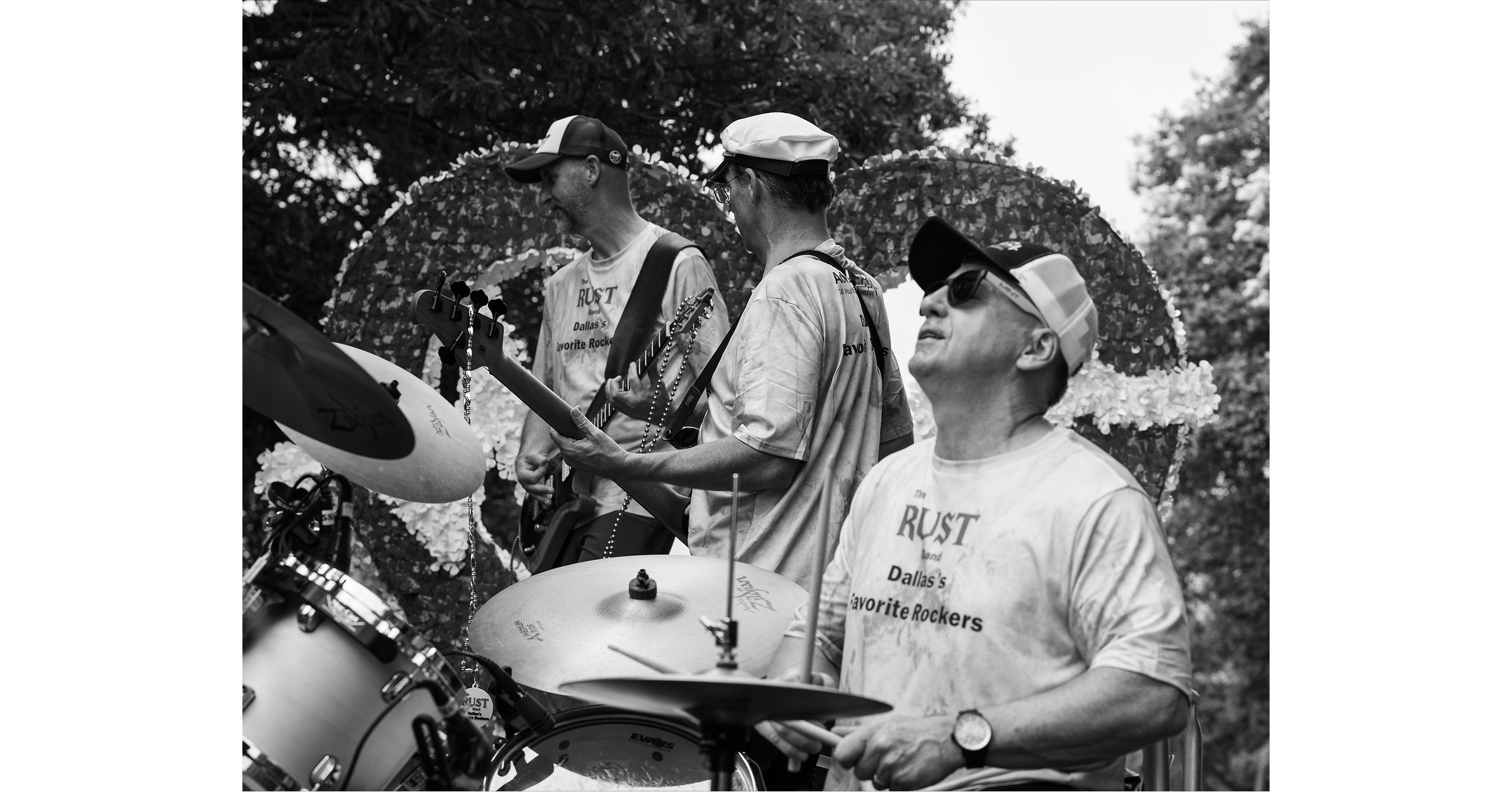
Advance ER highlighted community engagement rather than financial performance: Dr. Larry Pettit appeared in a Fourth of July Parade and a local podcast discussing emergency-medicine diagnostics and compassionate care. The organization also donated to the North Texas Food Bank and was recognized with commemorative coins. The news includes a claim of winning the Best Parade Float award for a second consecutive year, but provides no metrics that would materially move markets or credit fundamentals.
This is essentially a local-branding event, not a fundamental read-through. The only investable angle is that physician-owned free-standing ERs are competing on convenience, perceived quality, and neighborhood trust — all of which can help capture commercially insured, higher-margin visits in affluent ZIP codes — but the economics still hinge far more on payer mix and denials than on community goodwill.
Second-order, the incremental risk is to hospital-based ED networks and adjacent urgent-care models if these centers keep siphoning off low-acuity cases. That said, the public-market impact is likely muted unless the concept scales materially or starts showing up in insurer utilization data; otherwise it remains a niche leakage issue rather than a line-item earnings driver for HCA, THC, or UHS. Over 1-3 months, the market will care more about Texas reimbursement scrutiny and out-of-network billing politics than about PR coverage.
Contrarian view: the consensus may over-interpret this kind of marketing as evidence of durable demand strength. Community engagement can improve patient acquisition, but it is not a moat if payers tighten networks or steer volume to lower-cost sites of care. The real falsifier is not sentiment — it is a measurable change in same-store volume, case mix, or denial rates over 2-4 quarters.
AI-powered research, real-time alerts, and portfolio analytics for institutional investors.
Overall Sentiment
neutral
Sentiment Score
0.05
