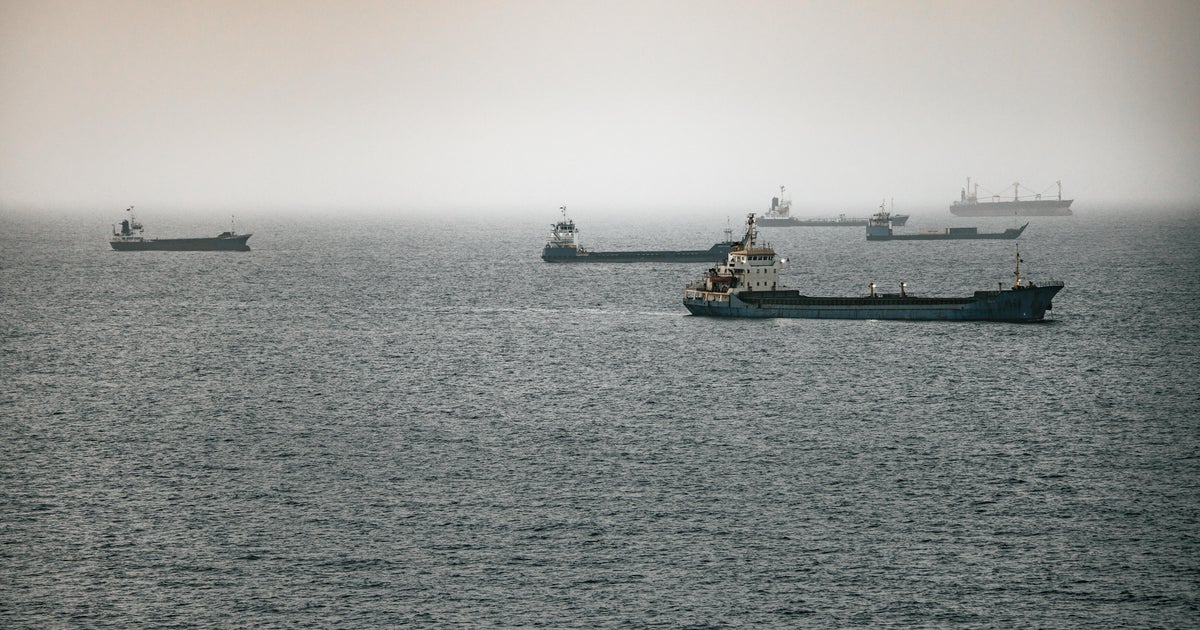
The U.S. struck Iranian missile, drone, and radar sites after Iran attacked a commercial vessel in the Strait of Hormuz, the first American strikes on Iran since the ceasefire extension. The escalation threatens shipping through a chokepoint that had recently reopened, with immediate implications for oil flows, freight, and regional risk premia. Oil prices had already been pressured lower after the ceasefire, but renewed conflict raises the odds of a sharp reversal and broader risk-off market behavior.
This is not just a headline risk event; it is a regime test for maritime pricing. The first-order move is higher crude and freight, but the second-order impact is a sharper repricing of “route certainty” across Gulf-linked supply chains: insurers will likely widen exclusions, shipowners will demand higher war-risk premia, and charterers may quietly reroute even if the physical lane remains open. That creates a lagged earnings hit for refiners, container lines, and industrials that rely on Middle East feedstock or transshipment, with the largest impact showing up over the next 2-6 weeks as contracts reset rather than in the immediate spot move.
The most asymmetric market reaction is likely in oil volatility rather than spot prices. If shipping through the strait becomes episodic, prompt Brent can spike while the forward curve stays anchored by spare capacity and diplomatic intervention risk, which makes long-dated calls or call spreads more attractive than outright futures exposure. The market may also be underestimating how quickly governments will pressure for de-escalation once insurance and bunkering costs start impairing trade flows; that caps the upside for crude but not for volatility-linked trades.
The bigger loser over a 1-3 month horizon is any company with Gulf exposure but weak pricing power: global shippers, airlines, and chemical names with naphtha-linked input costs should see margin compression before they can pass through costs. Defense and cybersecurity beneficiaries are more durable, but the cleaner trade is around protection of energy transport infrastructure and security spending rather than broad defense beta. A key contrarian point: if Iran limits retaliation to harassment rather than sustained interdiction, the market may overprice a prolonged closure and then give back a large portion of the move within days.
The main catalyst to watch is whether insurers or IMO-backed routing protocols change behavior again; that will tell us whether this is a one-off strike response or the start of a new, less reliable shipping regime. If the U.S. signals a willingness to strike repeatedly, the probability of a structural risk premium rises materially and the trade should rotate from tactical oil longs into medium-duration volatility and energy-security beneficiaries.
AI-powered research, real-time alerts, and portfolio analytics for institutional investors.
Request DemoOverall Sentiment
strongly negative
Sentiment Score
-0.72
