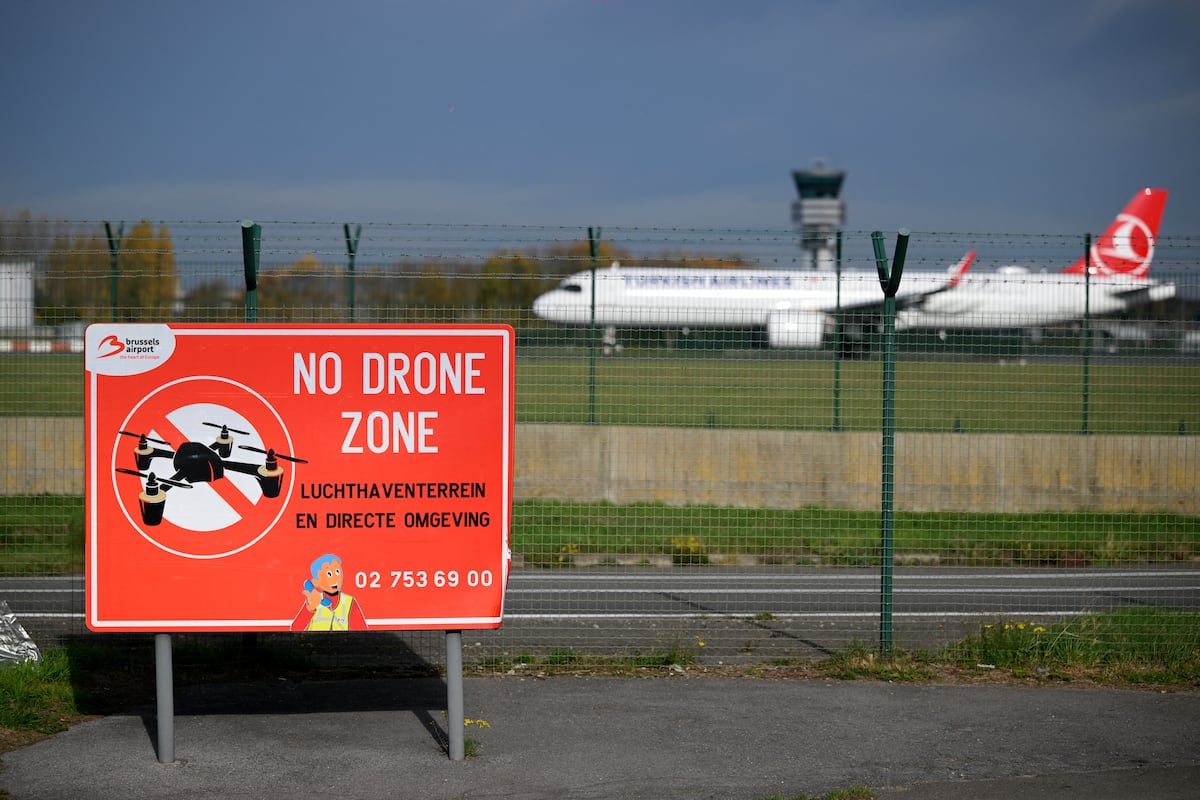
Germany has deployed specialized military units to Belgium following a significant increase in unidentified drone sightings near critical military facilities, including the Kleine-Brogel air base which houses U.S. nuclear weapons and other sites with F-35 fighter jets. Belgian authorities suspect a state actor, with Russia identified as a potential culprit in intelligence circles, prompting Germany to emphasize NATO cooperation and European solidarity in addressing these hybrid threats.
Germany has deployed specialized military units to Belgium following a "significant increase" in unidentified drone sightings near critical military facilities, including the Kleine-Brogel air base which houses U.S. nuclear weapons and other sites with F-35 fighter jets. This immediate response highlights the severity of the threat, which has also disrupted civilian air travel.
Belgian authorities suspect a state actor is behind these incursions, with Russia identified as a potential culprit in intelligence circles. This development underscores escalating geopolitical tensions and the growing prevalence of hybrid warfare tactics in Europe, emphasizing the need for robust defense capabilities.
The deployment of "specialized forces for the detection of and defense from small unmanned aerial vehicles" signals an increased focus on counter-drone technology and defense spending within NATO. While the mission is of "limited duration," the underlying threat suggests sustained investment in advanced surveillance and defense systems will be necessary.
AI-powered research, real-time alerts, and portfolio analytics for institutional investors.
Request DemoOverall Sentiment
moderately negative
Sentiment Score
-0.50
