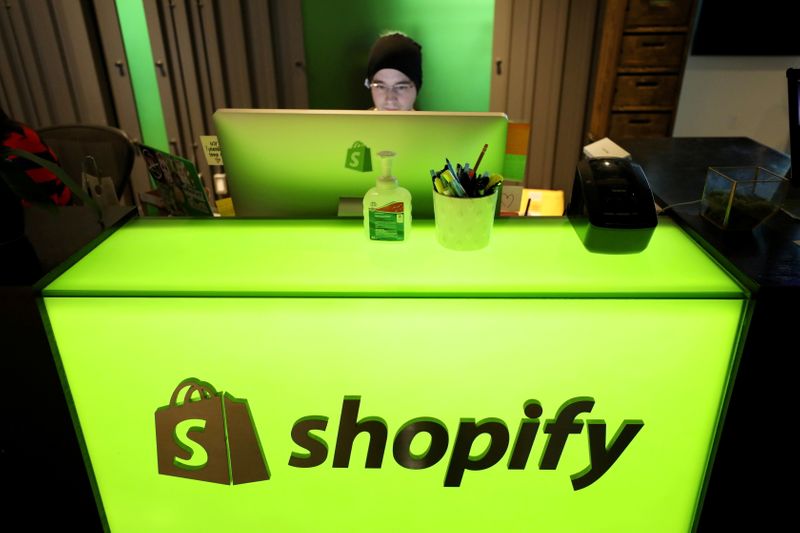
Trustpilot will integrate its reviews into Shopify stores starting June 29, giving merchants a way to display and manage verified customer feedback directly on the platform. The deal is Trustpilot’s first major e-commerce partnership and aligns with rising AI-driven search and shopping use, with the company citing a 1,490% surge in click-through traffic from AI search platforms in its latest fiscal year. Trustpilot said the Shopify agreement is non-exclusive and could be a template for expansion into other industries.
This is less a “brand partnership” story than a distribution-control story: the scarce asset is not reviews, it is trusted signal inside AI-mediated commerce. If shopping assistants increasingly summarize products from third-party reputation layers, then platforms that own verified feedback become de facto input providers, which should widen moat and raise switching costs for merchants that care about conversion quality rather than just traffic volume. That favors TRST’s monetization durability more than a one-off uplift to SHOP, because Shopify is helping shape the checkout layer while Trustpilot is embedding itself in the discovery layer.
The second-order effect is pressure on lower-quality review and affiliate ecosystems. As AI compresses search funnels, merchants will pay more for proof of authenticity and less for generic promotion, which can divert budget from paid search, coupon sites, and undifferentiated review publishers toward verified, structured data sources. Over the next 6-12 months, the key catalyst is whether this partnership converts into measurable merchant attach rates and ARPU expansion; if it does, the market may start capitalizing Trustpilot more like an infrastructure vendor than a marketing tool.
The contrarian risk is that AI overviews may ultimately disintermediate review platforms by extracting and summarizing sentiment without sending traffic back. In that case, the 1,490% traffic figure is a noisy early-cycle metric that could normalize quickly as search models get better at direct answers. The biggest tell over the next 1-2 quarters will be whether platform partners preserve attribution and click-out economics; if not, the distribution benefit accrues to the platform owner, not the review provider.
Near term, SHOP is the cleaner tactical beneficiary because this is incremental merchant value with little balance-sheet risk, but the larger re-rating potential sits in TRST if management can show repeatable platform deals. If additional integrations land in banking/insurance/utilities over the next 2-3 quarters, Trustpilot’s revenue mix could look more recurring and less promotional, which would justify multiple expansion even without explosive top-line growth.
AI-powered research, real-time alerts, and portfolio analytics for institutional investors.
Request DemoOverall Sentiment
moderately positive
Sentiment Score
0.45
Ticker Sentiment
