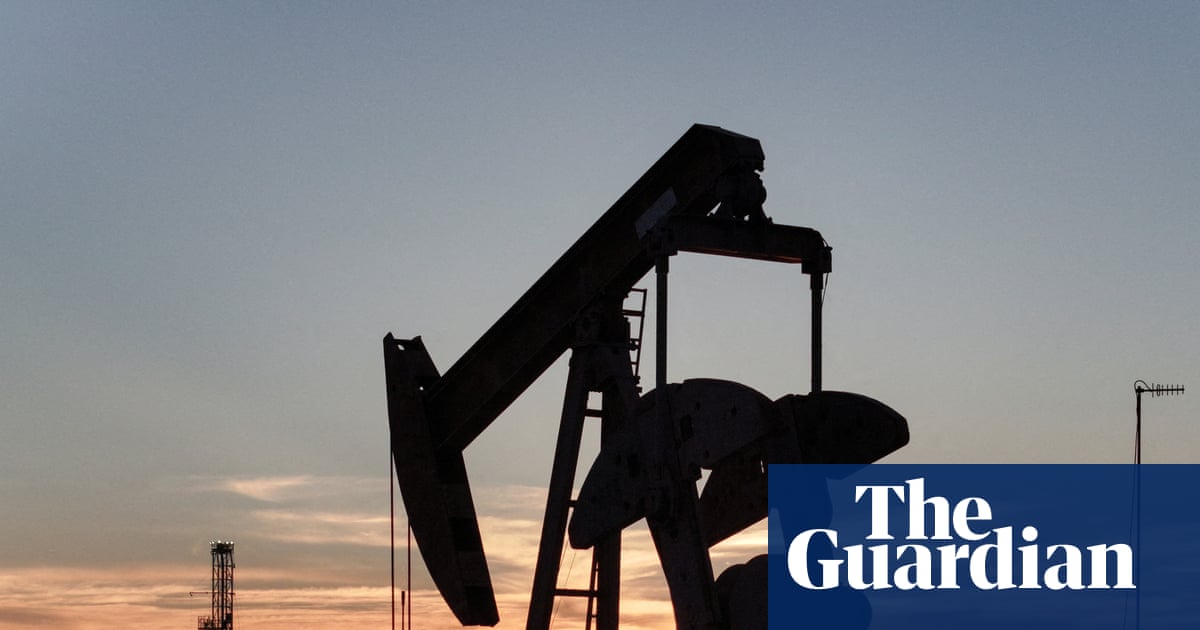
Oil prices fell 6% as Brent dropped $6.64 to $104.64 a barrel and WTI fell $6.49 to $97.66 after Trump said Iran talks were in the final stages, easing some supply-risk premium. Even so, traders remain wary: analysts still warn Brent could reach $120 near term, or even approach $200 if the Strait of Hormuz remains largely shut. The Brent prompt spread is still about $20 a barrel, and only three supertankers crossed Hormuz on Wednesday, far below the roughly 130 daily crossings before the war.
The tape is signaling a classic geopolitics-led volatility unwind, but the bigger takeaway is that physical tightness has not been resolved—only temporarily discounted. That matters because prompt barrels are still scarce; when the front end of the curve softens while shipping lanes remain structurally impaired, the market is effectively betting on diplomacy without a verified logistics normalization. In that setup, the fastest beneficiaries are downstream users and freight-sensitive consumers, but only if the current drop persists long enough to reset input costs.
The second-order risk is that complacency in energy equities and inflates the odds of a violent re-pricing if negotiations stall. A “risk-on” reaction in crude often precedes a sharper reversal when tanker traffic, insurance, or naval incidents fail to improve; the market is still pricing headline relief, not a durable normalization of export flow. That creates a favorable asymmetry for upside convexity: downside from here is somewhat capped by already-elevated global inventory stress, while upside can re-open quickly if the supply disruption remains unresolved for even a few weeks.
Relative value is more interesting than outright direction. Integrateds and refiners with strong buyback capacity should outperform pure producers if crude stays range-bound, because margin compression in the commodity does not immediately erase downstream cash generation. By contrast, airlines, chemical producers, and transport-heavy industrials get a near-term cost relief boost, but that benefit is fragile unless the curve backs up in a durable way; a one-day crude drawdown is not enough to materially change planning assumptions.
The contrarian view is that the move may be too large relative to actual probability-weighted supply normalization. If shipping remains constrained, the front-end discount could prove transitory and prompt spreads may re-tighten faster than flat price recovers, which would punish anyone selling volatility too early. The cleanest signal to watch is not the headline negotiation flow, but whether vessel throughput in the strait rises meaningfully over the next 1-2 weeks; absent that, the market is likely underpricing renewed upside risk.
AI-powered research, real-time alerts, and portfolio analytics for institutional investors.
Request DemoOverall Sentiment
mildly negative
Sentiment Score
-0.15
Ticker Sentiment
