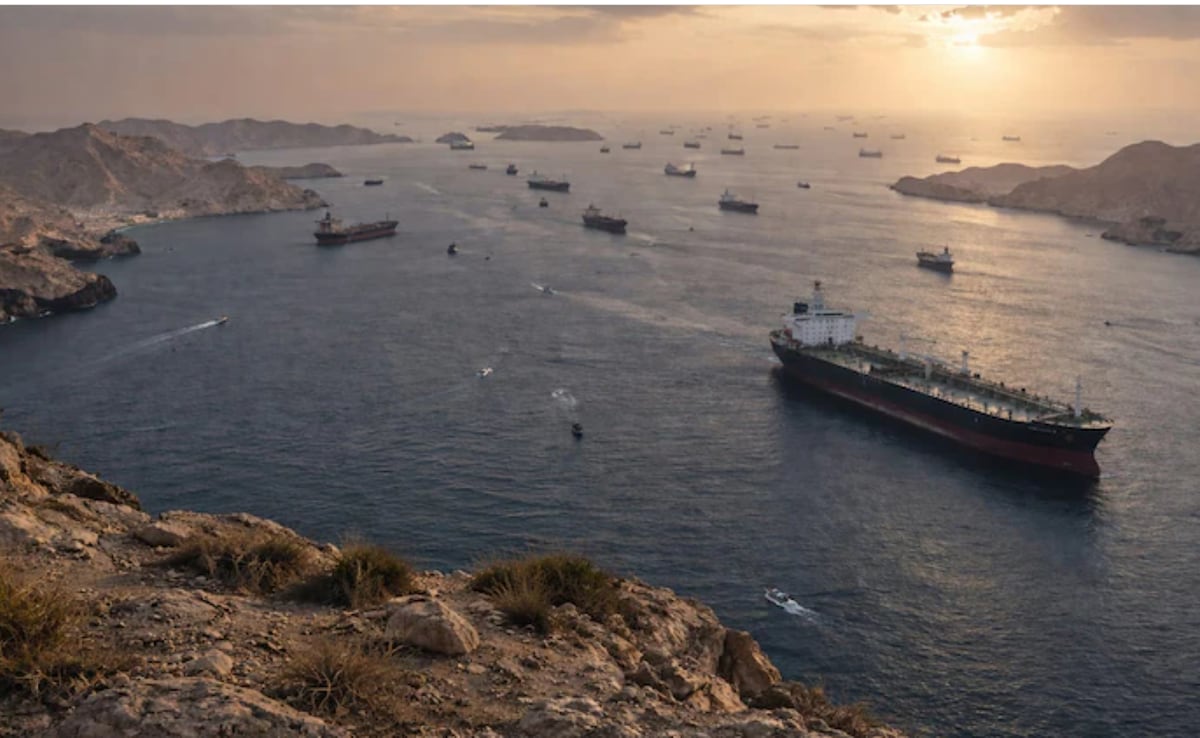
The US-Israel-Iran conflict ended in a fragile ceasefire, but the article argues the bigger market effect was a global energy stress test that reshuffled diplomatic and economic leverage. Pakistan's solar share rose from under 3% in 2020 to 32% by end-2025, helping it avoid more than $12 billion in oil and gas imports and gain diplomatic flexibility, while Russia, the UAE, China, and “safe” suppliers like Norway and Canada benefited from shifting flows. By contrast, oil-dependent economies including Sri Lanka, Bangladesh, Nepal, Kenya, and Ethiopia faced higher fuel costs, currency pressure, and inflation.
The market takeaway is not “war risk” in the abstract; it is a repricing of geopolitical optionality. Countries and firms with energy self-sufficiency, non-Hormuz logistics, or flexible input substitution gained bargaining power because they can absorb price shocks without immediately weakening their currency, subsidy regime, or foreign policy posture. That creates a second-order divergence: lower-beta sovereigns and corporates can now negotiate from strength while import-dependent EMs face a slower-moving but more persistent drain through inflation, reserves, and fiscal slippage.
The more important medium-term beneficiary is China, not because of any diplomatic move, but because every resilience upgrade now runs through Chinese hardware. If this episode accelerates solar, storage, and grid-modernization capex, then China’s leverage shifts from oil transit chokepoints to clean-tech distribution nodes. That is a stronger and more durable form of influence because it is embedded in infrastructure purchasing cycles that are multi-year and sticky, unlike tactical crude flows that can reverse with one ceasefire extension.
The contrarian point is that the “energy-secure winner” basket may be crowded too quickly. Some of the upside in Russian barrels, safe-haven producers, and logistics bypass assets is tactical and could mean-revert sharply if the ceasefire holds for even 4-8 weeks, especially if enforcement against sanctions tightens again. By contrast, the biggest underappreciated loser is not the obvious fragile importer, but any company or sovereign whose capex plan still assumes stable imported fuel prices; their earnings revisions may only show up after one or two quarters, making this a slower but cleaner short.
AI-powered research, real-time alerts, and portfolio analytics for institutional investors.
Request DemoOverall Sentiment
neutral
Sentiment Score
0.00
