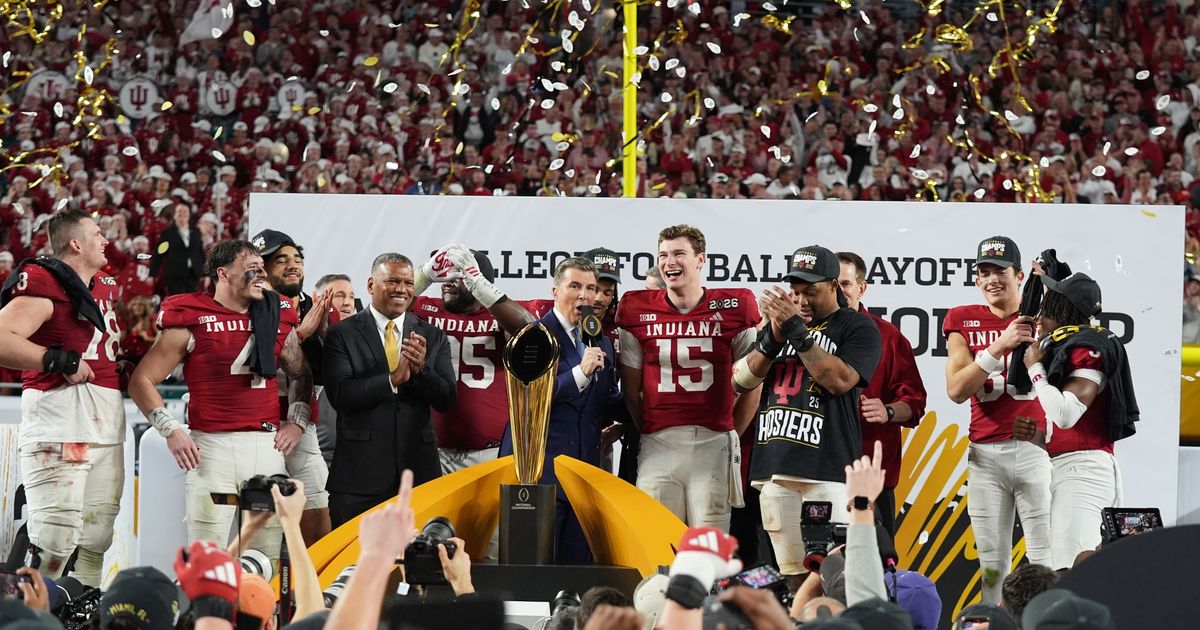
The article centers on a potential expansion of the College Football Playoff to 24 teams and the unresolved question of which TV partner would pay for the added inventory. ESPN’s current CFP deal is worth $7.8 billion over six seasons, while conference leaders debate whether expanded access and more on-campus games can offset lost title-game value. The piece is largely analytical and revenue-focused, with no immediate financial catalyst but some implications for media-rights negotiations.
FOXA is the cleanest public-market beneficiary if the playoff expands, but the market is likely underestimating how much of the economic value accrues to inventory control rather than headline rights fees. More games does not automatically mean more value; it only helps if the package creates windows that can be sold around NFL-adjacent viewing and if the network can keep premium matchups from cannibalizing each other. That makes this more of a scheduling and packaging negotiation than a simple volume story.
The bigger second-order issue is that 24 teams dilutes scarcity across the entire sport. If the top seed advantage falls and conference title games lose relevance, the real economic offset is not media alone but campus-level monetization, travel, and ancillary spend. That helps schools and conferences near-term, but for broadcasters it risks a longer-term quality problem: more postseason inventory, lower average rating, and weaker pricing power in future renewals.
Consensus seems too focused on whether expansion happens and not enough on how much of the upside is already embedded in FOXA’s college portfolio. The more likely surprise is that expansion is approved but the incremental rights fee comes in modestly, while the real winners are schools with playoff access and not the rights holders. In that scenario, FOXA gets a nice but not transformational bump, and the best risk/reward may be in volatility rather than outright directional exposure.
Catalyst timing matters: the next 1-3 months are about governance and format headlines, but the financial consequences unfold over 1-3 years as contracts are renegotiated and scheduling is reworked. The tail risk for media is that a bigger playoff becomes a commodity property with weaker average ratings than the current format, which would cap re-rating even if audiences initially welcome more games.
AI-powered research, real-time alerts, and portfolio analytics for institutional investors.
Request DemoOverall Sentiment
neutral
Sentiment Score
0.05
Ticker Sentiment
