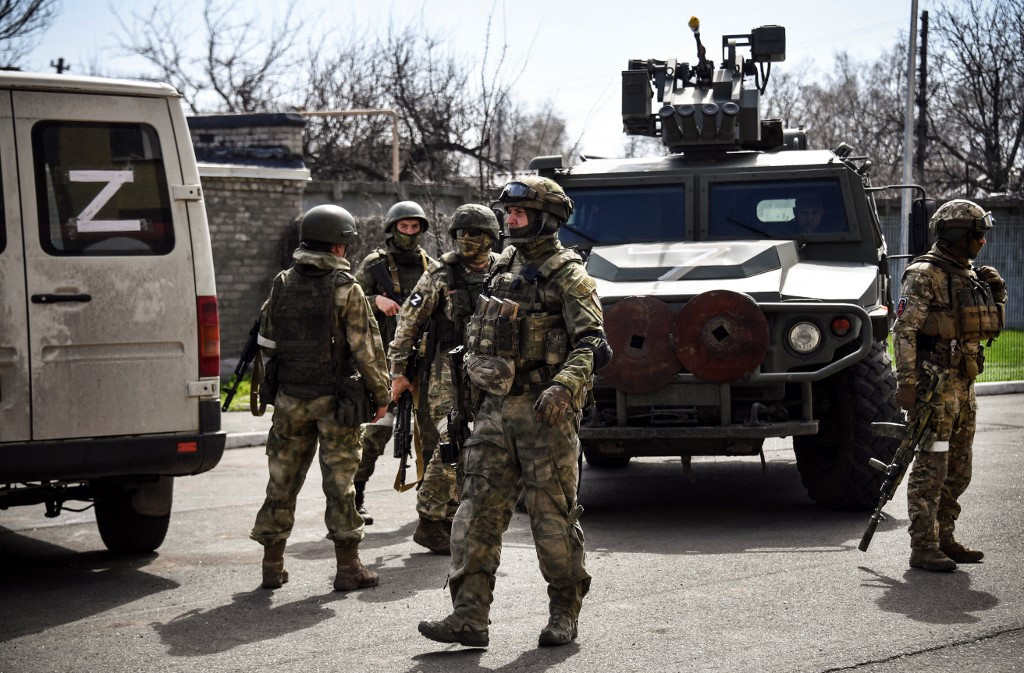
Russia is reportedly preparing five scenarios to expand its war through northern Ukraine and may mobilize up to 100,000 additional troops, according to President Zelensky. Ukraine says it is preparing countermeasures and expanding long-range strikes on Russian territory, while Belarus has begun exercises involving nuclear-related delivery procedures and support operations with Russia. The developments heighten geopolitical and military escalation risk across Eastern Europe and could support defensive positioning in global markets.
The market implication is not an immediate commodity shock; it is a slow-burn escalation premium that should show up first in European defense, select industrial logistics, and regional FX/risk assets rather than in broad global equities. A northern Ukraine expansion scenario materially raises the probability of sustained drone/missile attrition, which historically pushes governments to pre-commit to replenishment orders before the battlefield outcome is clear. That creates a cleaner revenue visibility story for primes with air defense, counter-UAS, artillery, and EW exposure than for platforms tied to distant procurement cycles.
The more important second-order effect is on the sanctions stack. If Russia leans harder on Belarus and energy-related coercion, enforcement risk rises across fuel, rail, and dual-use channels, which can tighten European refined-product availability even without a formal supply cut. That tends to support margins for non-Russian downstream operators and traders with flexible procurement, while pressuring any names exposed to eastern Europe logistics, truck traffic, or cross-border industrial throughput.
The contrarian point is that the headline may overstate near-term force-mobilization capacity while underpricing political signaling. If the additional troop estimate is not operationalized, the asset impact could fade quickly, but the market will likely keep paying for tail risk until there is clarity on whether this is theater, pre-positioning, or an actual new front. In practice, the risk window is days-to-weeks for headline-driven risk-off moves, but months for defense budget revisions and sanctions leakage trades.
AI-powered research, real-time alerts, and portfolio analytics for institutional investors.
Request DemoOverall Sentiment
strongly negative
Sentiment Score
-0.70
