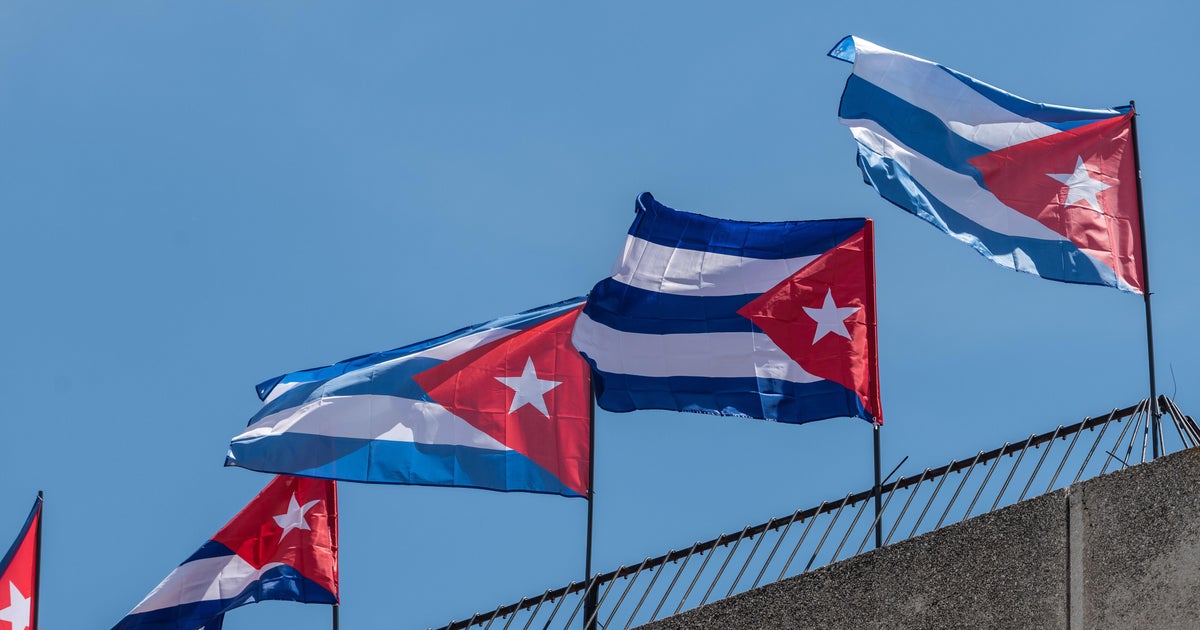
The U.S. is actively modeling Cuba's response to a potential American military action while expanding sanctions and pressure on Havana's fuel and shipping access. CBS reports Cuba has acquired more than 300 attack drones, and Washington has opened a diplomatic track offering humanitarian aid and potential economic relief if Cuba cuts ties with Russia, China and Iran. The situation raises geopolitical and energy/logistics risk, but the immediate market impact is more sector- and region-specific than broad-based.
The market implication is not an immediate Cuba trade shock so much as an escalation premium across energy, shipping, and defense optionality. Washington is signaling it is willing to use interdiction, sanctions, and covert pressure in a way that can tighten Caribbean logistics without a formal blockade; that raises the probability of episodic tanker delays, higher insurance premia, and ad hoc rerouting. The first-order impact is modest, but the second-order effect is that every sanctioned voyage becomes a test case for broader enforcement against Russian-linked energy flows into politically aligned jurisdictions.
The bigger underappreciated read-through is for regime-duration risk in Havana and the neighboring security perimeter. If the U.S. is simultaneously offering aid and preparing military contingencies, the Cuban leadership has an incentive to harden internally while probing asymmetric deterrence options. That means the next catalyst is less likely to be a headline attack than a slow-burn cycle of sanctions, port disruptions, cyber activity, and signaling around Guantanamo, which can keep volatility elevated for weeks even if no kinetic action occurs.
For markets, the cleaner expression is not Cuba-specific beta but a basket of names exposed to Caribbean logistics and U.S. southern-border security spending. The contrarian angle is that the administration may prefer coercive diplomacy over action, so any selloff in regional transport or energy on invasion fears is likely to fade unless there is a concrete interdiction event or hard evidence of Cuban use of drones. If no escalation materializes over the next 2-6 weeks, the risk premium should mean-revert quickly because the economic cost of a true confrontation would be far larger than the strategic benefit.
AI-powered research, real-time alerts, and portfolio analytics for institutional investors.
Request DemoOverall Sentiment
mildly negative
Sentiment Score
-0.20
Ticker Sentiment
