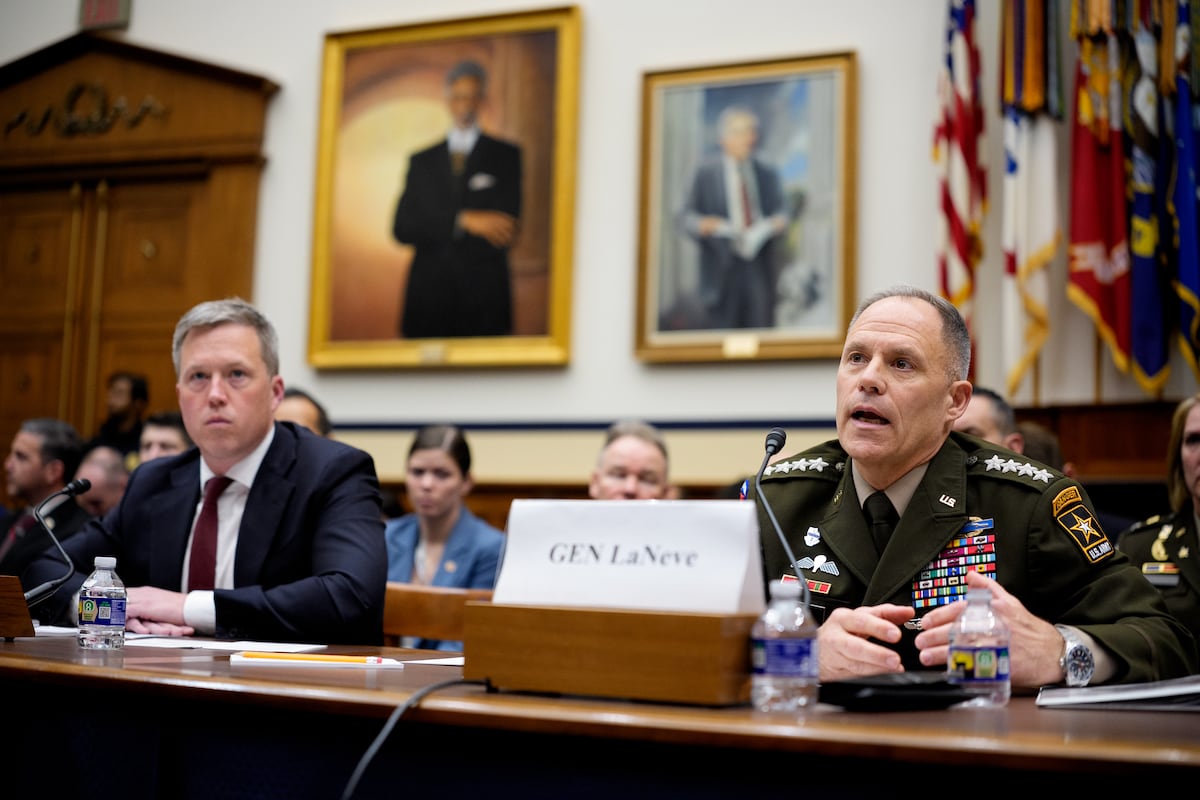
Lawmakers said the Pentagon had begun gutting a congressionally mandated civilian harm mitigation program despite a legal requirement to maintain it, after an IG report found proposals to eliminate or sharply reduce key parts of the effort. The report said meetings stopped, personnel were reassigned or lost, and some funding was halted, raising compliance concerns under DoDI 3000.17. Army Secretary Dan Driscoll acknowledged the obligations but said some disruptions may reflect restructuring rather than an intentional shutdown.
This is less a headline about one compliance program than a signal that the Pentagon is entering a credibility gap with Congress on force-mitigation policy. The first-order budget impact is small, but the second-order effect is larger: once lawmakers conclude a program is being quietly dismantled, they tend to harden reporting mandates, add earmarks, and attach restrictive language to appropriations. That raises execution friction for defense leadership and increases the odds of a messy legislative override rather than a clean internal reorganization.
For defense contractors, the key issue is not direct revenue loss but procurement-cycle distortion. Vendors with exposure to targeting software, ISR analytics, training, battle-damage assessment, and civilian-protection tooling could see a near-term pause while policy ownership is re-litigated; however, if Congress forces reinstatement, the eventual winner is likely the same set of mission-systems primes and specialist software names that can package compliance as operational advantage. The market is likely underpricing the chance that this becomes a broader acquisition constraint on offensive autonomy and AI-enabled strike systems over the next 6-18 months.
The contrarian read is that this is not merely a reputational issue for DoD; it may actually be bullish for select defense tech on a longer horizon if the outcome is more formalized doctrine, better data capture, and higher spend on collateral-damage mitigation. The real downside tail is political: if oversight escalates, programs touching targeting workflows can get delayed in budget markups, which would be a negative for incremental contract awards and prototype transitions this year. The catalyst window is the next appropriations cycle and any follow-up IG or committee action; that is where the probability of mandatory funding or statutory fixes becomes investable.
Net: short-term headline pressure is probably too small for broad defense beta, but there is a meaningful relative-value opportunity between contractors that sell pure kinetic capability and those that can monetize compliance, analytics, and command-and-control hardening.
AI-powered research, real-time alerts, and portfolio analytics for institutional investors.
Request DemoOverall Sentiment
mildly negative
Sentiment Score
-0.25
Ticker Sentiment
