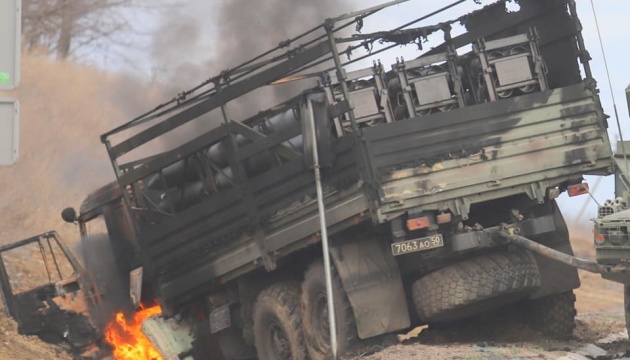
Russia's total combat losses in Ukraine were reported at approximately 1,352,980 personnel as of May 21, 2026, including 910 losses over the past day. The update also showed continued attrition across armored vehicles, artillery, drones, and logistics assets, underscoring the ongoing intensity of the war. The article is informational and unlikely to move markets directly, though it remains relevant for defense and geopolitical risk assessment.
The key market takeaway is not the headline casualty level itself, but the persistence of high-intensity attrition despite prior exhaustion claims. That argues for a longer-than-consensus maintenance cycle in defense procurement: munitions, air defense, electronic warfare, drones, and logistics platforms remain the bottleneck, not just headline combat vehicles. The incremental losses in trucks, drones, and armor also imply continued strain on replacement demand across the NATO-adjacent industrial base, with Europe likely to accelerate replenishment even if front-line territorial changes remain slow.
Second-order effects matter more than the battlefield count. A prolonged war at this tempo tends to compress available stockpiles faster than production can rebuild them, which is structurally bullish for suppliers with backlog visibility and export optionality. The more underappreciated beneficiary is the supply chain beneath primes: energetics, guidance components, precision castings, and secure communications vendors should see tighter pricing power than the large headline contractors. Conversely, any notion that a ceasefire would instantly normalize defense demand is overstated; replenishment and modernization would likely persist for years.
Risk-wise, the main reversal catalyst is a negotiated pause that freezes losses without resolving force regeneration. That would not eliminate demand, but it could delay urgent near-term replenishment orders and pressure names levered to tactical munitions consumption. In the next few days, the market is more likely to respond to the read-through that attrition remains unresolved; over months, the bigger variable is whether European fiscal support converts from emergency spending into multi-year procurement programs.
The contrarian view is that investors may already be too anchored to the obvious defense winners and underappreciate how much of the upside is in non-obvious laggards with cleaner capacity expansion stories. If the war grinds on, the market may continue to underprice the second-order beneficiaries that feed the defense stack rather than the primes themselves. That creates a better risk/reward in selected suppliers and in European defense exposure than in the crowded U.S. prime trade.
AI-powered research, real-time alerts, and portfolio analytics for institutional investors.
Request DemoOverall Sentiment
mildly negative
Sentiment Score
-0.20
