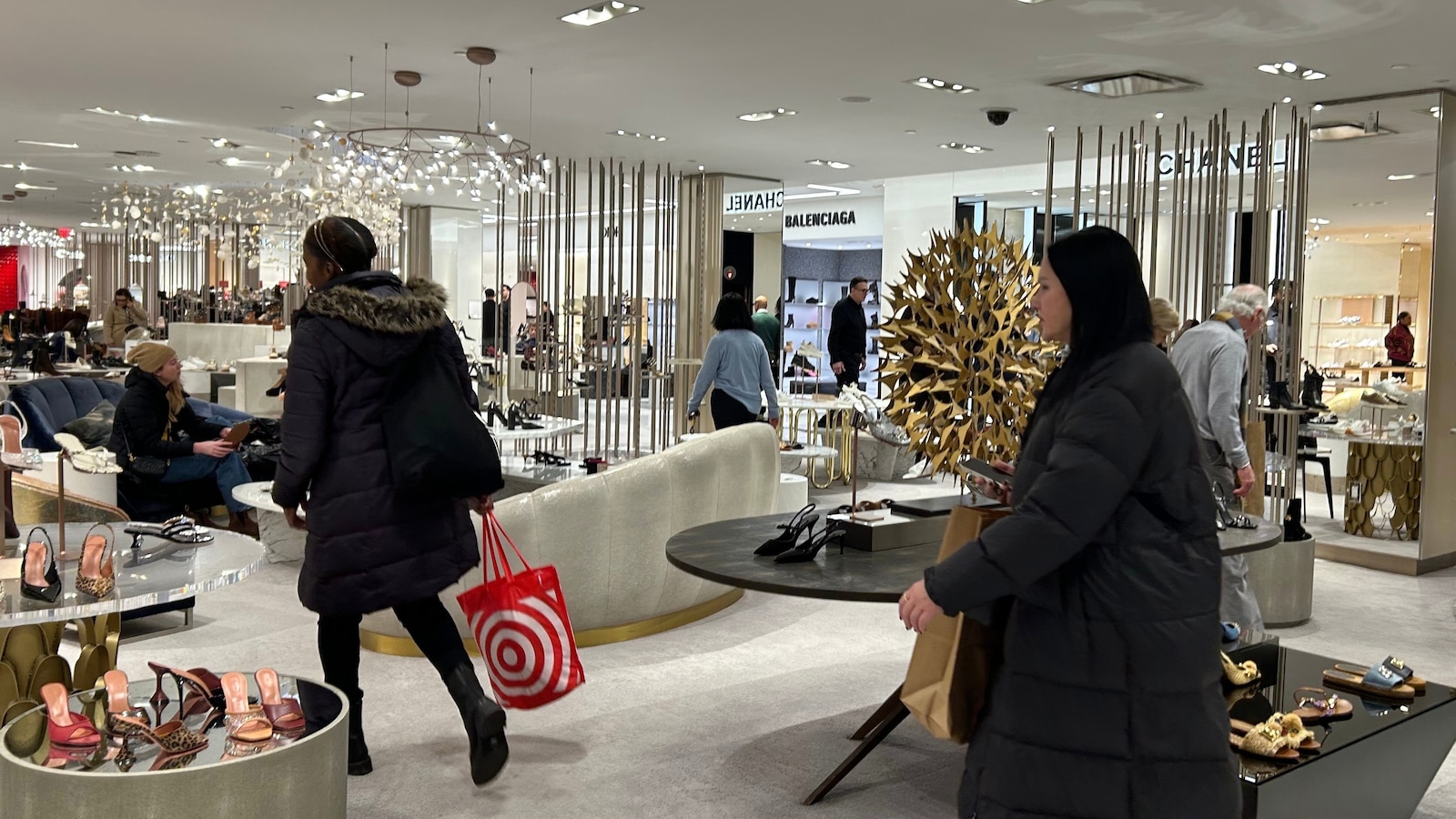
Saks Global emerged from Chapter 11 with nearly 75% less debt and $500 million in extra financing, rebranding as Exemplar Luxury Group. The restructuring leaves the luxury retailer with a smaller footprint of 49 stores, down from 33 Saks and 36 Neiman Marcus locations plus about 70 Saks Off 5th stores before bankruptcy. The company is positioning the combined Saks/Neiman Marcus/Bergdorf Goodman portfolio around affluent shoppers and improved personalized service.
The immediate read-through is not “luxury demand is fine,” but that the sector is becoming more bifurcated and operationally disciplined. A cleaner balance sheet at a large luxury platform should improve vendor confidence, but the bigger second-order effect is tighter control of distribution: fewer doors and more concentration in top productivity locations can lift full-price sell-through across the category, especially for brands that can command allocation in a constrained wholesale environment.
The competitive loser is the middle layer of department-store exposure and secondary luxury formats that depended on broader footprint and promotional traffic. As the reorganized platform leans harder into data-driven clienteling, it effectively raises the bar for smaller regional players that lack comparable CRM depth, associate productivity, and access to premium inventory. That tends to funnel more spend toward the strongest operators and top-end brands, while off-price and lower-tier discretionary channels face a harder comp stack over the next 2-4 quarters.
From a credit perspective, this is constructive for the broader retail debt complex because it reduces the risk of a messy liquidation spiral in a high-profile luxury name. But equity upside is less obvious unless management can translate deleveraging into sustained margin expansion; the key catalyst is whether store rationalization drives gross margin and cash conversion rather than simply stabilizing the business. The main tail risk is that affluent demand is not immune to asset-price volatility — if equities wobble or travel spending normalizes, the premium client segment can de-rate quickly.
The contrarian angle is that the market may be overestimating how much restructuring alone can fix a structurally crowded luxury distribution channel. Less leverage buys time, not necessarily growth, and the real test is whether the company can preserve pricing power without relying on promotion to clear inventory. If that fails, the benefit accrues to best-in-class brands and mall landlords with the strongest luxury mix, not to the reorganized retailer itself.
AI-powered research, real-time alerts, and portfolio analytics for institutional investors.
Request DemoOverall Sentiment
mildly positive
Sentiment Score
0.40
Ticker Sentiment
