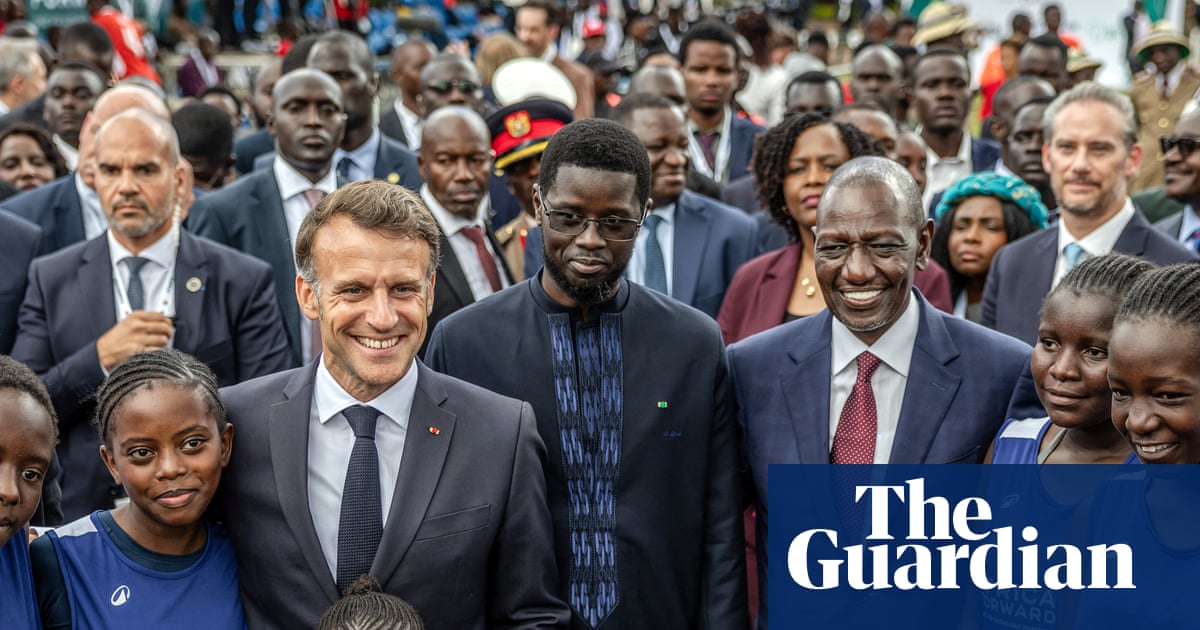
France is holding its French-African summit in Kenya for the first time, with more than 30 heads of state and government in Nairobi to discuss energy transition, peace and security, and reform of the international financial architecture. The move underscores Macron’s effort to reset France’s Africa strategy after setbacks in Mali, Niger and Chad, where anti-France sentiment has forced troop withdrawals and the termination of some defense agreements. The summit signals a broader diplomatic pivot toward anglophone Africa, but it is primarily geopolitical and unlikely to have an immediate market impact.
The real signal is not diplomatic theater; it is France trying to reprice its Africa franchise away from sovereign-risk-heavy francophone exposure toward a broader services-and-security platform. That should be incrementally positive for French defense primes, logistics, and project-finance intermediaries with Africa optionality, but negative for the old model of embedded influence that depended on troop presence and bilateral leverage. The venue choice also suggests Kenya is positioning itself as the gateway for capital, conference flow, and security coordination into East Africa, which can over time pull more advisory, banking, and infrastructure mandates into Nairobi rather than West African hubs.
Second-order, this is a governance and procurement story more than a headline geopolitics story. If France succeeds in converting summit optics into actual MoUs on energy transition, training, and security, the beneficiaries will be firms that can intermediate concessional capital, export-credit guarantees, and dual-use equipment; if it fails, the market will fade the narrative quickly because the addressable spend is still small relative to EM portfolio allocations. The biggest near-term risk is backlash: any perception that Kenya is legitimizing a neo-colonial pivot or granting legal protections to foreign forces can create domestic friction and slow implementation over the next 3-6 months.
The contrarian view is that investors may be overestimating the durability of a France-led rebound in influence. In many African states, public sentiment is moving toward non-Western alternatives and local sovereignty, so a summit can improve access at the margin but not reverse the structural loss of trust. That means the trade is likely better expressed as a tactical event-driven uplift in selected French defense/capital-goods names rather than a broad thematic overweight to France-Africa exposure.
AI-powered research, real-time alerts, and portfolio analytics for institutional investors.
Request DemoOverall Sentiment
neutral
Sentiment Score
0.05
