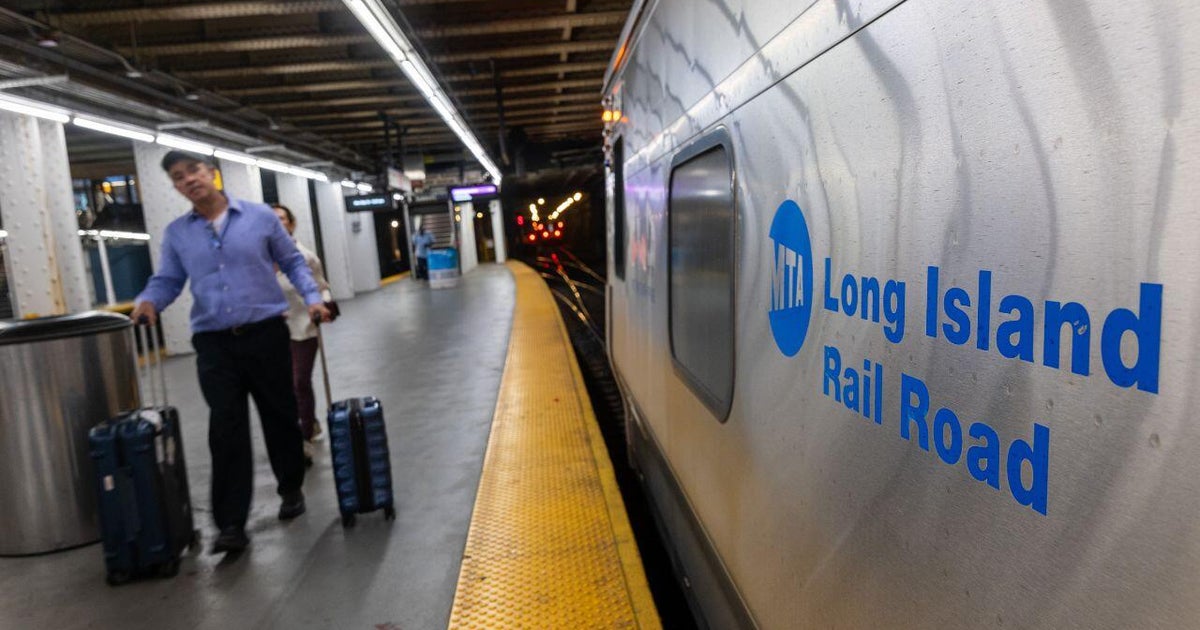
A potential LIRR strike could shut down service and disrupt hundreds of thousands of commuters, prompting contingency plans across the MTA, NICE bus network, AirTrain access, and shuttle buses from six Long Island locations. The article outlines alternative transit routes to Manhattan and Queens, plus temporary ferry options for NYU Langone staff and added shuttle service for Mets-Yankees fans. Impact is operational and localized rather than market-wide, but it raises near-term disruption risk for transportation and commuter-linked travel.
The immediate market impact is less about the rail shutdown itself and more about which substitute networks can absorb peak-hour commuter flow without service degradation. In the next 1-7 days, the highest-probability winner is NICE: even a modest share shift from rail to bus lifts ridership and fare revenue, while also improving the company’s utilization metrics at essentially fixed near-term cost. The more interesting second-order effect is that congestion externalities will likely be concentrated around a handful of interchange points, creating a short-duration but sharp boost to rideshare, parking, and last-mile demand in western Nassau and Queens.
For MTA, the headline risk is operational and political rather than revenue-driven. A strike forces the agency to prove that the subway and shuttle network can function as a credible substitute, and any visible failure would extend beyond the labor dispute into longer-dated credibility damage on future contract negotiations. The tail risk is service chaos around a few critical transfer nodes, which could trigger a self-reinforcing loop of missed connections, absenteeism, and demand destruction for discretionary travel over a multi-day horizon.
The most underappreciated beneficiary is not transit-linked equities but any business exposed to compulsory schedule flexibility: white-collar employers with large Long Island commuter bases, delivery/logistics firms able to reroute, and even select hospitality names near Manhattan can see incremental same-day demand from stranded travelers. Conversely, commuter-adjacent consumer spending in suburban corridors should soften if the strike lasts more than a few days, as workers substitute away from lunch, coffee, and convenience purchases near rail stations. The AirTrain note matters because it increases the probability of ad hoc congestion at Jamaica/Howard Beach, which could temporarily impair airport access and create small but tradable pressure on near-term travel volumes.
Consensus likely underestimates duration asymmetry: a 1-2 day disruption is nuisance-level, but after 3-5 days the behavioral shift becomes more persistent, with more workers defaulting to remote schedules and employers normalizing alternate commutes. That means the short trade should focus on the first week’s operational friction, while the long trade should target the alternative network provider that captures recurring riders if the dispute drags into later bargaining rounds.
AI-powered research, real-time alerts, and portfolio analytics for institutional investors.
Request DemoOverall Sentiment
mildly negative
Sentiment Score
-0.15
Ticker Sentiment
