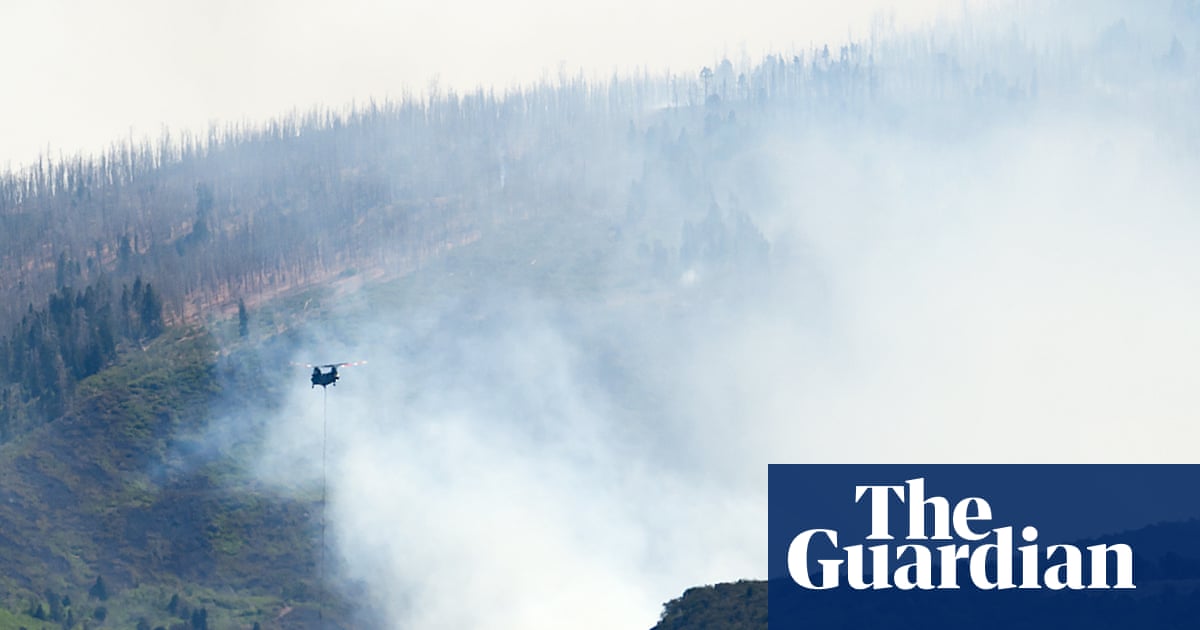
Utah’s Cottonwood fire has grown to more than 92,000 acres, up roughly 20,000 acres in one day, and remains 0% contained as low humidity and strong winds accelerate spread. The blaze has already caused property damage at a ski resort, forced national forest closures, and triggered red flag warnings and air-quality alerts near Marysvale. The state is facing an unprecedented wildfire season with 380 fires year-to-date, 273 of them human-caused, prompting temporary statewide firework restrictions.
The near-term market implication is less about direct damage and more about a temporary shock to regional operating continuity: outdoor recreation, mountain lodging, local retail, and any asset with air-quality or evacuation sensitivity will face a demand cliff while the fire remains uncontained. The more important second-order effect is on municipal and state budgets — suppression costs, emergency logistics, and infrastructure repair can force discretionary spending cuts later in the year, which matters for local contractors and service-heavy balance sheets exposed to Utah/Intermountain West public projects.
This is also a classic supply-of-risk story for insurers and reinsurers rather than a single-event P&L hit. The combination of large acreage burn, zero containment, and elevated wind creates the possibility of a multi-week claims tail: property, business interruption, temporary housing, and potentially post-fire runoff/landslide remediation if heavy rain follows. For insurers, the first-order loss ratio hit may be manageable, but the second-order issue is CAT model repricing in a state where human-caused ignitions are already elevated, which can pressure renewal terms over the next 1-3 quarters.
The policy angle is underappreciated. A visible escalation into the holiday period increases the odds of broader fire restrictions, utility shutoffs in high-risk corridors, and tighter permitting around defensible-space enforcement. That tends to support names levered to mitigation, detection, and grid hardening, while penalizing exposed leisure assets and small-cap western real estate adjacencies that rely on uninterrupted summer traffic.
Consensus likely underestimates how quickly this can become a multi-state theme if dry-windy conditions persist: the trading window is days to weeks for sentiment, but the earnings impact on insurers, utilities, and local cyclicals can stretch into the next reporting season. The contrarian view is that the market may be overpricing headline risk for broad indices while underpricing the longer-duration winners in prevention, grid resilience, and emergency response spending.
AI-powered research, real-time alerts, and portfolio analytics for institutional investors.
Request DemoOverall Sentiment
strongly negative
Sentiment Score
-0.60
