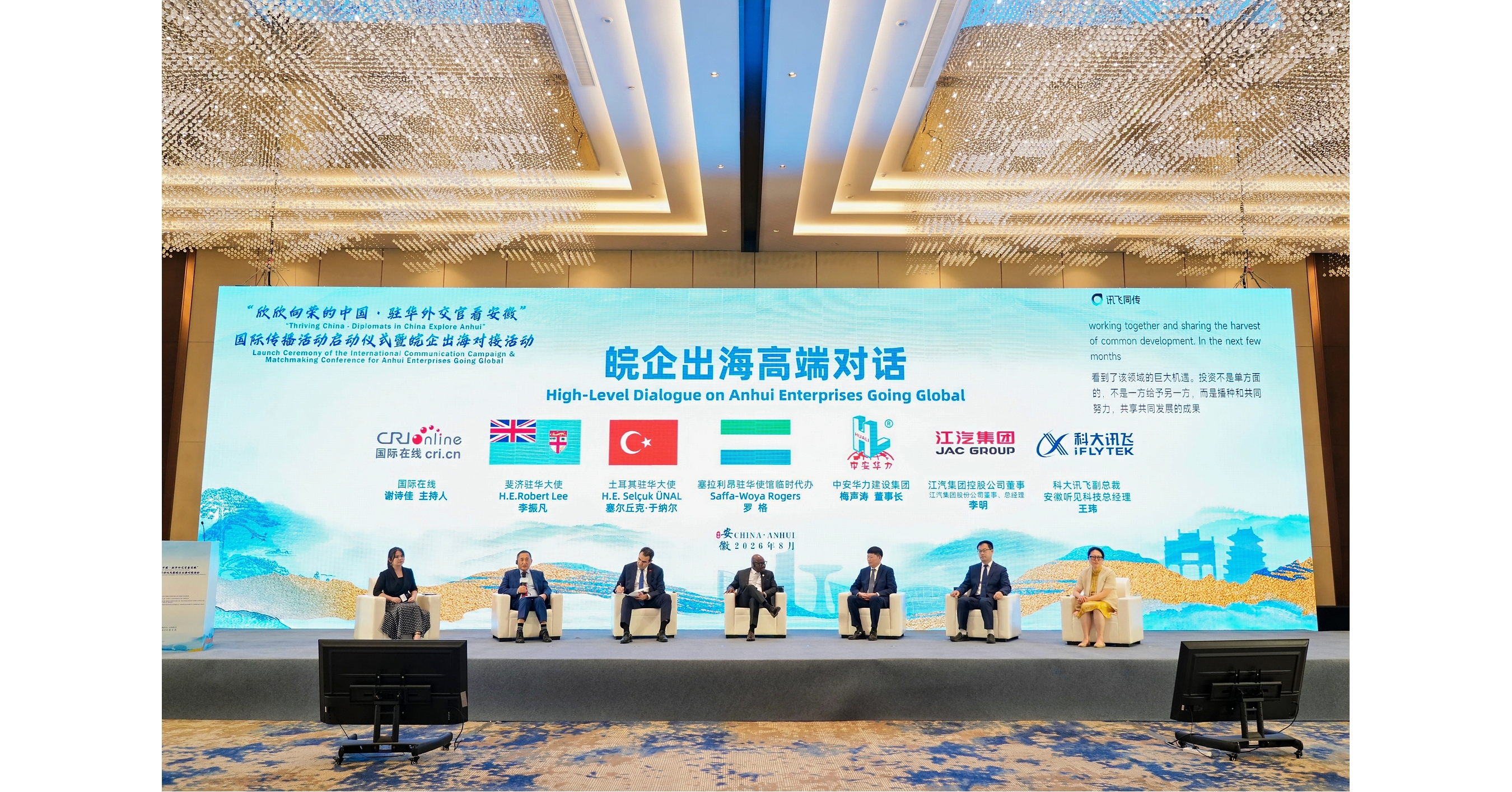
Anhui’s H1 2026 economic output rose to 2.737T yuan (+5.6% YoY), positioning it among China’s top 10 provinces by GDP. The diplomatic exchange highlighted growth sectors such as AI, new energy vehicles and PV materials, with no deals signed yet, though envoys expressed interest in continued engagement. Overall, the article is a positive read-through on provincial investment momentum, but with limited direct market impact absent announced agreements.
The investable takeaway is not the diplomatic visit itself but the signal that Anhui is being positioned as a policy-enabled industrial cluster. That matters most for local champions and their upstream ecosystems: AI/industrial software, NEV assembly, power electronics, PV materials, and construction equipment suppliers that can piggyback on provincial procurement, land grants, and state-bank credit. If the province keeps winning capital allocation, the second-order winner is not the headline firms alone but the adjacent SME vendor base that feeds them, which can lift utilization before it shows up in consolidated earnings.
Near term, the market should treat this as low-conviction because there are no signed contracts and the event is mostly reputation-building. The real catalyst path is 1-3 months: watch for MOUs, municipal procurement awards, and cross-border pilot projects that convert soft diplomacy into order flow. Over 6-18 months, a sustained “growth pole” narrative could compress risk premium on local industrial names if it translates into higher ROE and better access to policy funding; absent that, the move fades into generic China regional promotion.
The contrarian view is that consensus may be overreading China provincial branding as incremental demand. Foreign delegations touring facilities do not automatically create export or FDI revenues, especially if domestic end-markets remain weak and local governments are still constrained on fiscal support. The thesis is falsified quickly if there are no follow-on contracts, if fixed-asset investment in the province decelerates, or if China-wide industrial PMI remains soft despite the publicity.
For public-market proxies, the cleaner expression is to own liquidity-sensitive Chinese automation/AI leaders only on confirmation, not on this headline alone. Thinly traded local names are likely to gap on sentiment but may not have enough fundamental support to hold gains.
AI-powered research, real-time alerts, and portfolio analytics for institutional investors.
Request DemoOverall Sentiment
mildly positive
Sentiment Score
0.18
Ticker Sentiment
