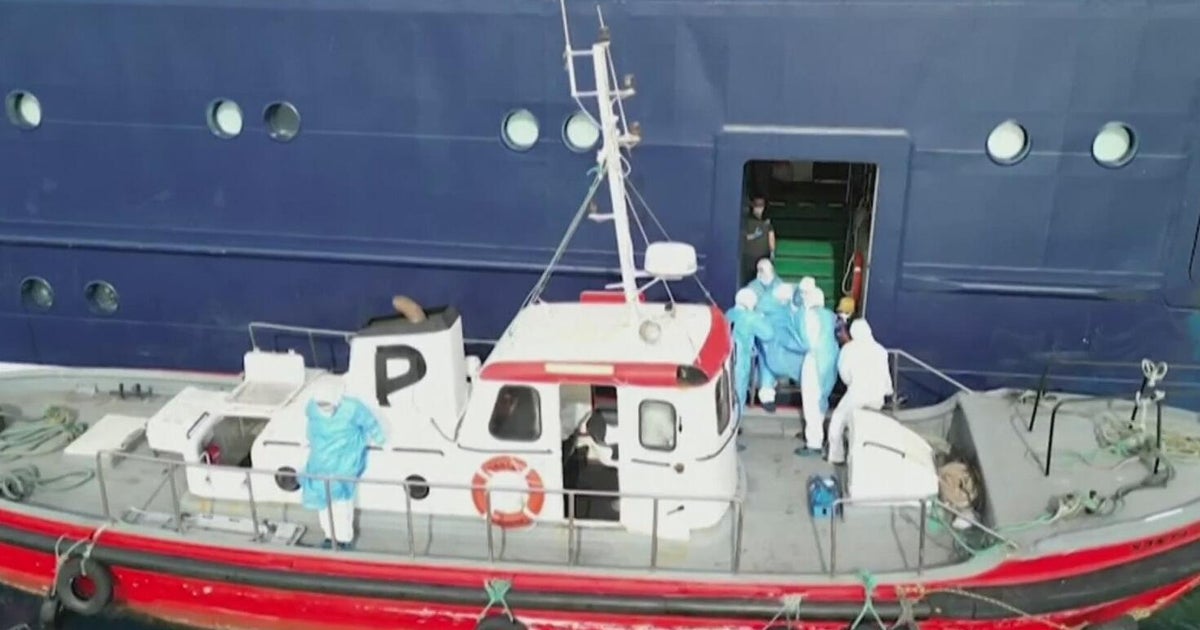
Fifteen Americans from a hantavirus-hit cruise ship were placed in the federally funded National Quarantine Unit in Omaha, with one patient moved to Nebraska's biocontainment unit and two others sent to Emory in Atlanta. The article explains the specialized quarantine and treatment capacity at UNMC, including limited biocontainment beds for airborne disease. The news is primarily operational and public-health focused, with limited direct market impact beyond travel and healthcare monitoring.
This is not a direct market event so much as a reminder of where the system’s choke points sit: a tiny number of specialized quarantine/biocontainment assets, airlift protocols, and high-touch infection-control supply chains. That concentration is a quiet tailwind for vendors tied to negative-pressure systems, HEPA filtration, PPE, waste handling, and biosecurity logistics, while being structurally neutral to most broad healthcare names unless the incident broadens into a larger outbreak.
The more interesting second-order effect is on travel and cruise risk premia. Even when the outbreak itself is contained, headlines like this tend to tighten consumer behavior around cruise bookings for several weeks and can widen the perceived discount for operators with weaker health-and-safety credibility. The near-term read-through is therefore less about demand collapse and more about incremental booking friction, softer pricing power on last-minute itineraries, and a likely uptick in trip interruption/cancellation claims.
On the healthcare side, the fact pattern reinforces the scarcity value of facilities that can safely absorb airborne or high-consequence exposures. That supports the long-term case for outsourced biocontainment capacity and specialty infection-control infrastructure, but the monetization is lumpy and event-driven; investors should expect episodic spikes rather than a clean secular revenue line. The contrarian point is that these events often fade faster than the market initially prices, especially if public-health authorities demonstrate containment within 1-2 news cycles.
The main risk is a secondary case cluster within the next 7-21 days, which would convert this from a contained operational story into a broader demand and liability issue for travel. Absent that, the setup is more tactical than structural, favoring short-duration expressions over outright sector shorts.
AI-powered research, real-time alerts, and portfolio analytics for institutional investors.
Request DemoOverall Sentiment
moderately negative
Sentiment Score
-0.25
