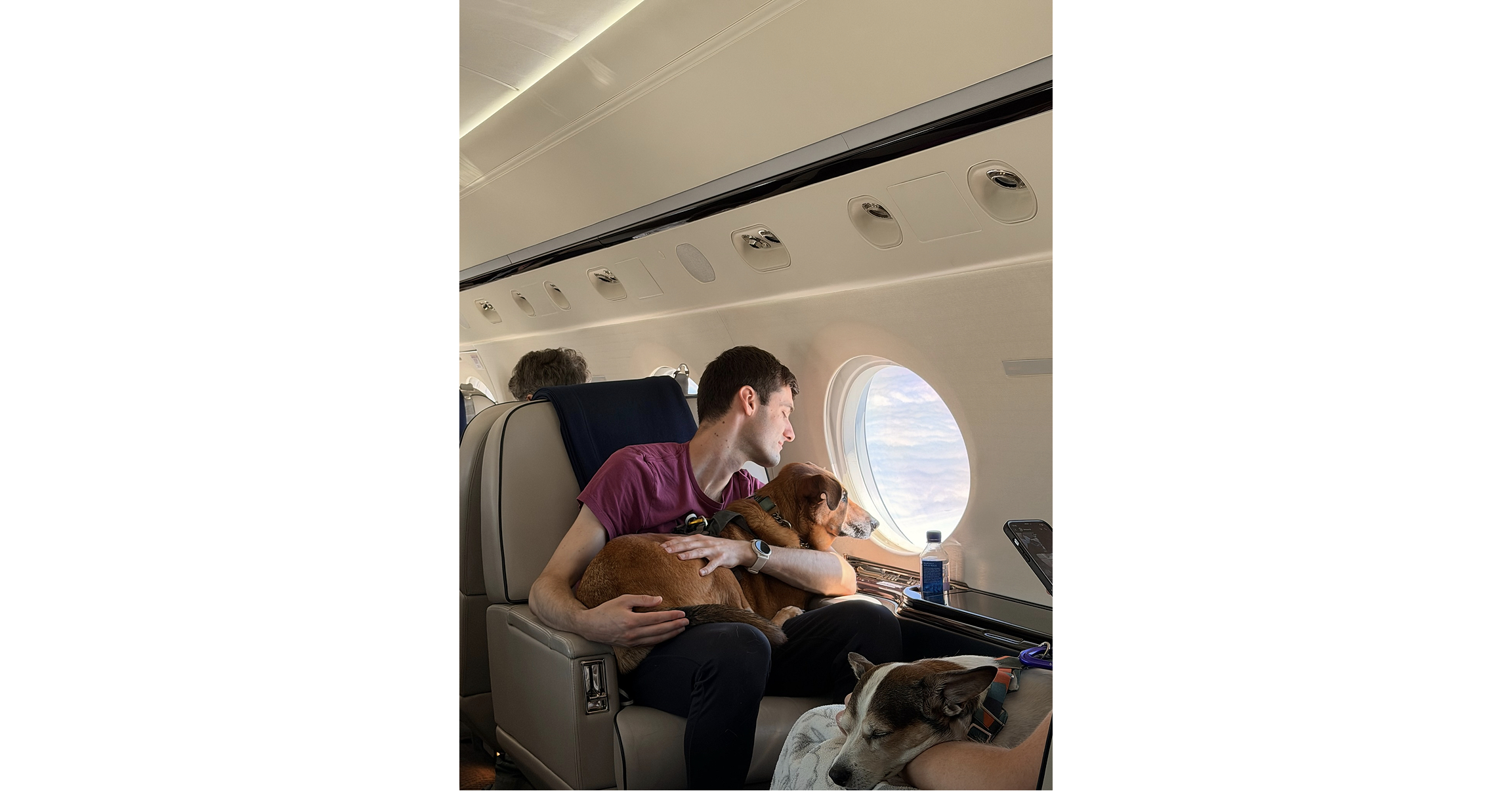
Vicuna Air lanzó Vicuna Waypoints, un servicio que coordina transporte terrestre, hoteles y conexiones pet-friendly para llevar a clientes y sus mascotas a aeropuertos transatlánticos (incluida la ruta New York–Brussels). El paquete se ofrece en dos modalidades—Express (más rápido) y Scenic (itinerarios de varios días)—y apunta inicialmente a destinos del norte de Europa (vía Bruselas). El anuncio amplía la propuesta de valor de la aerolínea, pero no aporta cifras financieras, por lo que el impacto probable es limitado para el mercado.
This reads less like a product launch and more like a monetization test for a very specific affluent niche: customers willing to pay to remove every friction point around a trip. The economic value is not the extra route map; it is the ability to raise customer lifetime value by bundling ground transport, lodging, and concierge into a single high-margin booking flow. If it works, the moat is operational rather than network-based: once the brand owns the pre-flight logistics, switching costs rise because the customer is no longer buying a seat, they are buying a managed itinerary.
The second-order winners are luxury hotels, premium ground transport, and pet-relocation intermediaries that can plug into the itinerary engine. The losers are generic charter brokers and premium carriers that sell a flight but leave the rest of the journey to the customer; that fragmentation is exactly what this model monetizes away. The harder question is margin: every added handoff increases service recovery cost, so a few bad experiences can erase a lot of goodwill. For public markets, the closest read-through is to premium travel/discretionary demand more broadly, but the signal is too small to justify a strong sector call on day one.
The catalyst path is measured in months, not days: watch whether the service becomes a repeatable booking funnel or stays a press-release amenity. The thesis breaks if attach rates are low, if irregular operations create reputational drag, or if regulatory/pet-documentation friction makes cross-border itineraries unreliable. The contrarian view is that the market may overestimate TAM: this is a high-touch service for a tiny slice of travelers, so unit economics matter far more than brand storytelling.
AI-powered research, real-time alerts, and portfolio analytics for institutional investors.
Request DemoOverall Sentiment
mildly positive
Sentiment Score
0.12
