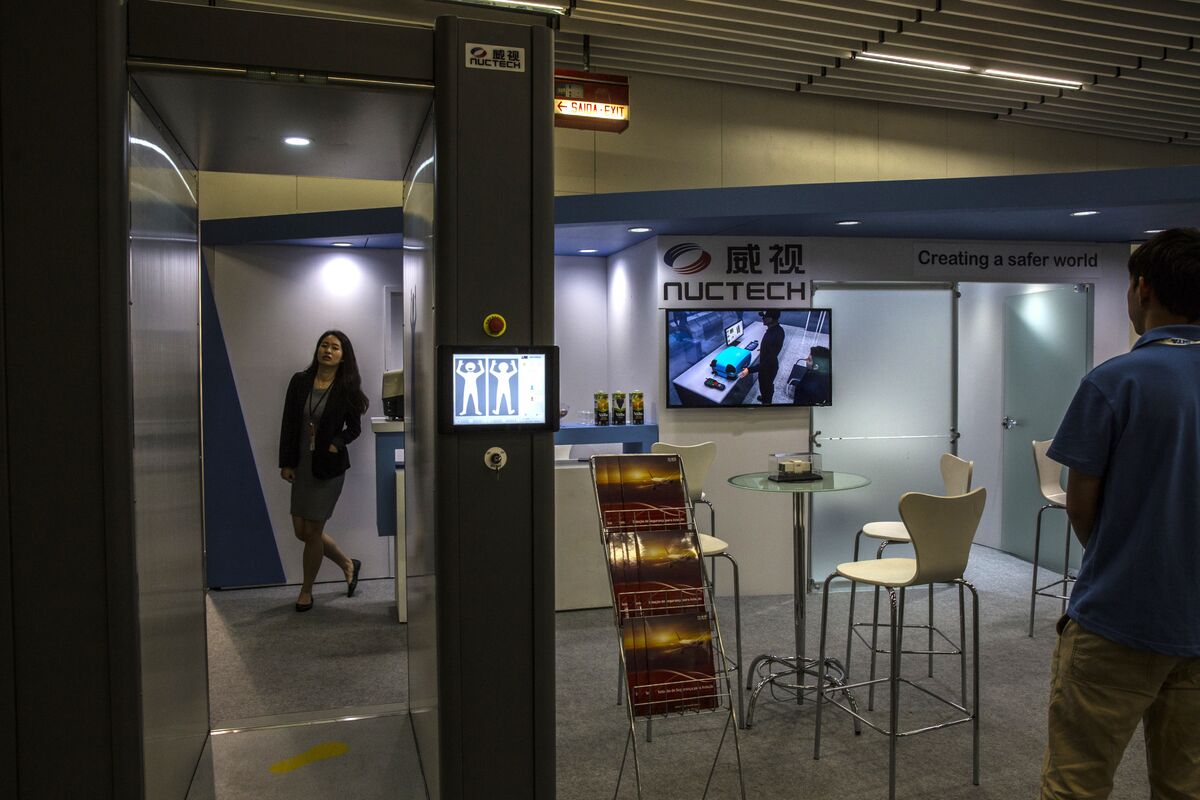
China accused the EU of improper extraterritorial jurisdiction in its foreign subsidies probe of Nuctech, saying the bloc demanded broad information located within China and that compliance was barred. Beijing said the EU actions violate international law and basic norms of international relations. The article is primarily a policy and legal friction update, with limited immediate market impact unless the dispute escalates.
This is less about one security vendor and more about the EU discovering that its new industrial-policy toolkit will be litigated as a sovereignty issue by Beijing. The second-order effect is a higher compliance premium for any Chinese firm with EU revenue exposure: legal costs rise, document production slows, and procurement timelines lengthen, which favors larger Western incumbents and local EU alternatives that can absorb extended diligence without operational friction.
The near-term loser is not just Nuctech; it is any Chinese supplier in sensitive verticals where regulators can frame financial support as a national-security externality. That creates a chilling effect on cross-border bidding, especially for infrastructure, ports, aviation security, and telecom-adjacent procurement, where buyers may preemptively diversify away from Chinese vendors to avoid audit risk. Over 6-18 months, this could support a modest but durable share shift toward European integrators and US defense/security hardware names that already have approved vendor status.
The bigger risk is escalation into a tit-for-tat legal regime: Beijing can respond by constraining EU firms operating in China via data requests, antitrust scrutiny, or procurement exclusion, which would pressure industrials, autos, and luxury supply chains with meaningful China revenue. That said, the market may be overpricing headline risk and underpricing the bureaucratic drag: these cases tend to matter most at the margin, changing award probabilities rather than causing immediate revenue cliffs.
The contrarian view is that this is bullish for regulatory clarity. If the EU keeps tightening enforcement, procurement winners may emerge faster, and investors can express that without needing a broad China selloff. The asymmetric trade is to own firms that gain from de-risking while fading the assumption that all China-linked suppliers will be uniformly impaired.
AI-powered research, real-time alerts, and portfolio analytics for institutional investors.
Request DemoOverall Sentiment
mildly negative
Sentiment Score
-0.20
