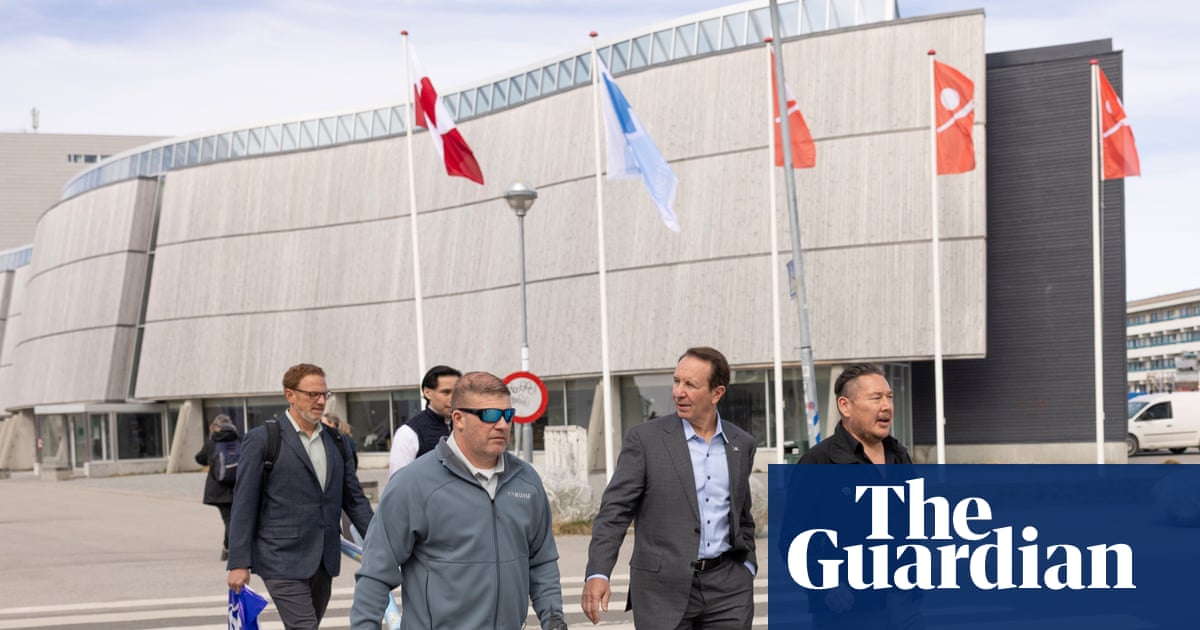
The US is expanding its symbolic and potential strategic presence in Greenland with a new consulate in Nuuk, amid protests and political resistance from Greenlandic leaders. Washington is also evaluating additional defense infrastructure, including possible expansion beyond Pituffik, while talks with Greenland and Denmark continue. The article adds geopolitical tension around Arctic security, rare-earth access, and Greenland’s independence aspirations, but does not describe an immediate market-moving policy change.
This is less about Greenland-specific cash flows and more about a small but meaningful deterioration in transatlantic policy credibility. The market implication is a higher probability that Arctic defense, port, airfield, and surveillance spending gets pulled forward in Denmark, Norway, and potentially Canada-linked supply chains, while local Greenland economic assets remain poorly investable but geopolitically optional. The second-order effect is that procurement urgency often rises faster than budget authorizations, so contractors with existing North Atlantic footprint and dual-use logistics exposure can see sentiment inflect before revenue does.
The protest and the explicit rejection from Greenlandic leadership increase the odds that Washington leans harder on military-economy framing rather than pure diplomacy. That raises tail risk for episodic headline volatility around NATO meetings and site-survey announcements over the next 1-3 months, with the bigger catalyst being any formal expansion beyond the current base footprint. If those plans advance, expect a small but durable uplift in demand for cold-weather infrastructure, long-runway engineering, maritime surveillance, and secure communications, with the biggest winners likely being established defense primes and Nordic contractors rather than anything directly tied to Greenland itself.
Contrarian view: the consensus may be overestimating the pace of real-world asset deployment and underestimating procedural friction. Greenland, Denmark, and the alliance framework can slow-roll this for quarters, which means the tradeable impact is more likely to come from rhetoric and budget signaling than immediate capex. That argues for owning optionality around defense names rather than chasing a broad geopolitics beta move. Also, any softening in Washington's tone would quickly compress the premium, so this is a headline-sensitive, stop-loss-driven setup rather than a structural thesis at current intensity.
AI-powered research, real-time alerts, and portfolio analytics for institutional investors.
Request DemoOverall Sentiment
mildly negative
Sentiment Score
-0.20
