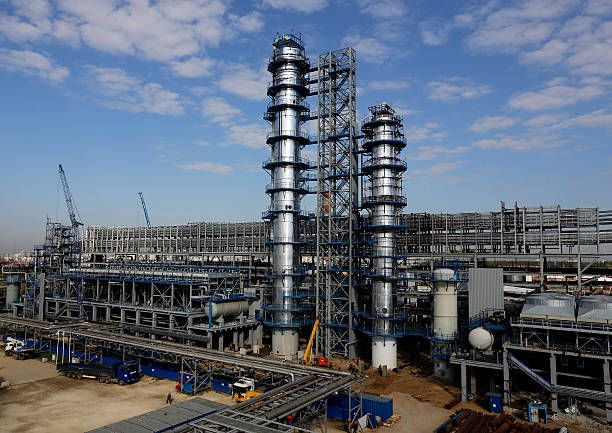
The Moscow Oil Refinery temporarily halted processing after a large-scale May 17 Ukrainian drone attack, with Reuters citing sources that Gazpromneft stopped production to mitigate risk despite no substantial damage. The refinery processed 11.6 million metric tons of crude in 2024, making the outage notable for Russian fuel supply and refining activity. The report adds to a rising pattern of Ukrainian strikes on Russian oil infrastructure, including at least 21 attacks in April and a reported strike near Kstovo on May 20.
This is less about immediate physical damage and more about a rising operational tax on Russian refined-product supply. Repeated precautionary shutdowns create a non-linear effect: even when facilities restart quickly, the market loses confidence in throughput reliability, forcing higher inventory buffers, wider product differentials, and intermittent spikes in diesel and gasoline prices that can persist for weeks. The key second-order effect is on logistics: lower Russian product availability tightens seaborne diesel flows into Europe, Turkey, and the Mediterranean, where substitution options are thinner than for crude.
The better read-through is not crude outright, but crack spreads and freight. If refinery utilization in western Russia keeps getting interrupted, the marginal barrel shifts from domestic processing to exports of crude, which is bearish for Russian product exports but can be mildly supportive for global crude balances only with a lag. That means refiners with secure non-Russian feedstock and export access should see relative margin support, while tanker owners may benefit from rerouting and longer voyage lengths if Russian product flows are displaced further east or replaced by Middle Eastern supply.
The market is probably underpricing the persistence risk. One-off drone attacks are easy to dismiss, but the strategic goal is to force a higher reserve margin in Russian refining, and that can reduce effective capacity even without permanent damage. The most important catalyst window is the next 2-6 weeks: if additional shutdowns cluster, the impact can compound into regional product tightness before crude traders fully reprice it. The contrarian view is that crude may not rally much unless outages spread materially, because Russia can often redirect barrels into export channels; the cleaner expression is in middle-distillate cracks and select refining equities, not broad energy beta.
AI-powered research, real-time alerts, and portfolio analytics for institutional investors.
Request DemoOverall Sentiment
moderately negative
Sentiment Score
-0.35
