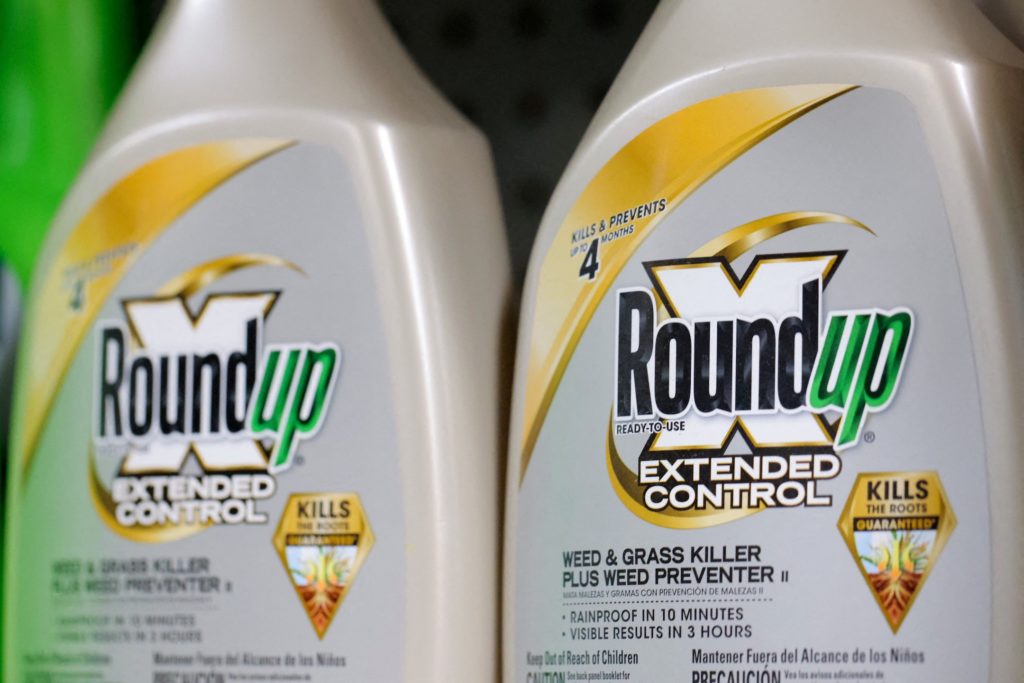
The U.S. Supreme Court's 7-2 ruling in favor of Bayer/Roundup overturns a Missouri jury award and is expected to block thousands of similar lawsuits nationwide. While the decision is a legal win for Bayer and may reduce litigation overhang, the article emphasizes ongoing scientific controversy over glyphosate's cancer risks, especially non-Hodgkin's lymphoma. The ruling has significant implications for the herbicide industry and product liability landscape.
The immediate market impact is not the verdict itself but the shift in litigation probability. By narrowing the pathway for state tort claims, the Court meaningfully lowers the expected tail liability for legacy ag-input companies and, more importantly, reduces the discount rate investors apply to the rest of the pesticide franchise. The second-order winner is Bayer’s broader crop science cash engine: if Roundup-specific reserves stabilize, capital allocation pressure eases across a business that has been trading under a persistent litigation overhang rather than on fundamentals.
The bigger read-through is to the product-liability playbook. If federal labeling and preemption are strengthened in practice, plaintiffs’ firms will likely pivot toward other chemical, med-tech, and consumer-exposure names where discovery risk and state-law theories remain viable. That can temporarily inflate settlement expectations in adjacent sectors even without a change in core science, because capital will price lower litigation optionality for defendants and higher contingency value for plaintiffs’ counsel.
Near term, the catalyst path is asymmetric: days to weeks for sentiment re-rating in Bayer and potentially a modest multiple lift in other regulated ag names; months for reserve revisions and insurer reassessment; years for any meaningful change in label language or EPA posture. The main reversal risk is political or regulatory: a new toxicology review, adverse appellate developments in other jurisdictions, or fresh internal-document disclosures could re-open the issue and restore headline volatility despite the Supreme Court win.
The contrarian point is that a legal victory does not equal scientific exoneration, so the market may be overbidding on finality. If investors assume the litigation chapter is closed, they may underprice the persistence of reputational drag and the likelihood of sporadic state-level claims or label challenges. That argues for trading the relief rally tactically rather than treating it as a durable fundamental reset until reserve language and regulatory commentary confirm the improvement.
AI-powered research, real-time alerts, and portfolio analytics for institutional investors.
Request DemoOverall Sentiment
mildly negative
Sentiment Score
-0.25
