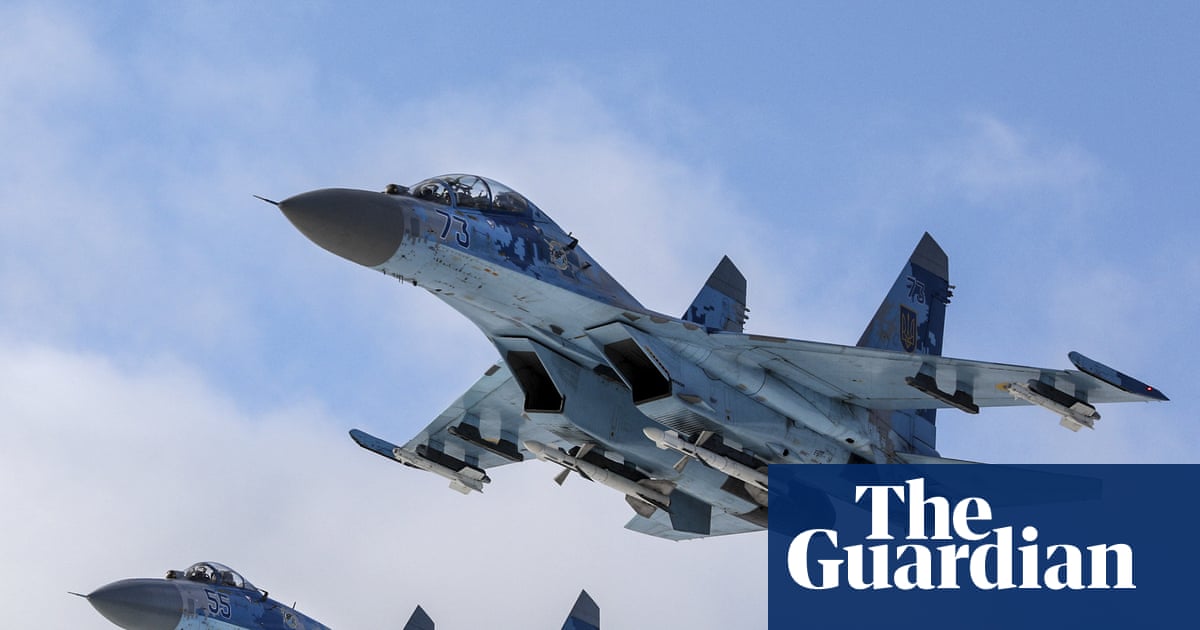
A Russian Su-27 flew within 6 metres of an RAF Rivet Joint over the Black Sea and a Su-35 later triggered the British spy plane’s emergency systems, including disabling autopilot, during mid-April surveillance flights. UK Defence Secretary John Healey called the incidents "dangerous and unacceptable," warning of accident and escalation risk. The article also highlights broader Russian military activity around Europe, including drone disruption in Lithuania and Russian naval escorts in the North Sea.
The market takeaway is not the headline noise itself, but the normalization of active probing around NATO airspace and maritime corridors. That raises the option value of every allied surveillance, interception, and undersea-infrastructure protection asset: persistent demand is likely to shift from episodic spending to standing readiness, which tends to support contractors with ISR, EW, anti-submarine, and command-and-control exposure more than pure-platform names.
The second-order winner is the defense/logistics ecosystem around the Baltic and North Sea routes. If incidents continue, insurers and shippers will begin to price a modest but persistent risk premium into transits through chokepoints and into any asset tied to undersea cables, ports, and energy interconnectors; that is a slow-burn catalyst over months, not days. The more immediate business implication is higher utilization for NATO airborne patrols and naval surveillance, which can pull forward procurement, spares, maintenance, and crew-training budgets even before headline defense spending rises.
The main risk is escalation without a formal trigger: a near-miss, jammer interaction, or accidental collision could force a rapid political response within 24-72 hours, but the more investable trend is a gradual rearmament cycle over 6-18 months. What could reverse it is a tactical deconfliction channel that reduces incidents without reducing underlying Russian activity; that would cool the premium in defense names but not eliminate it, because the core driver is structural force posture rather than one-off events.
Consensus may be underestimating how little capital intensity is required to sustain these pressure campaigns versus how much readiness spending they induce on the other side. That asymmetry favors defense primes and selected maritime-security beneficiaries while leaving transport and logistics equities vulnerable if insurers, ports, or route planners start embedding a higher probability of disruption into pricing.
AI-powered research, real-time alerts, and portfolio analytics for institutional investors.
Request DemoOverall Sentiment
moderately negative
Sentiment Score
-0.35
